
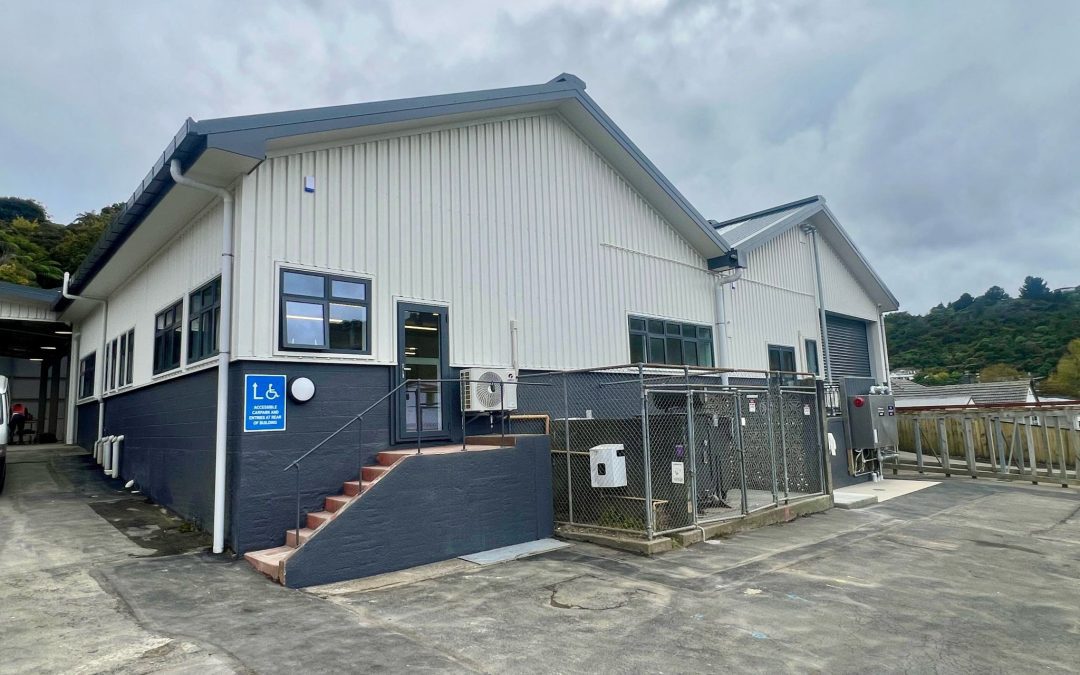
Residential home painting Auckland projects can completely change the appearance of a property, but getting a good result involves much more than choosing a colour and applying paint. Proper preparation, weather conditions, surface repairs, product selection, and application methods all have an effect on the finished result.
Many homeowners only start thinking about painting when faded colours, peeling paint, cracks, or worn surfaces become difficult to ignore. By that stage, the work may require more preparation than expected.
Auckland homes are exposed to rain, humidity, sunlight, wind, and changing weather throughout the year. These conditions can affect exterior surfaces and make proper preparation especially important.
Whether you are planning a complete repaint, refreshing an older property, preparing your home for sale, or updating selected rooms, avoiding common painting mistakes can save time, reduce unnecessary work, and help create a better finish.
Why Does Residential Home Painting Auckland Require Proper Planning?
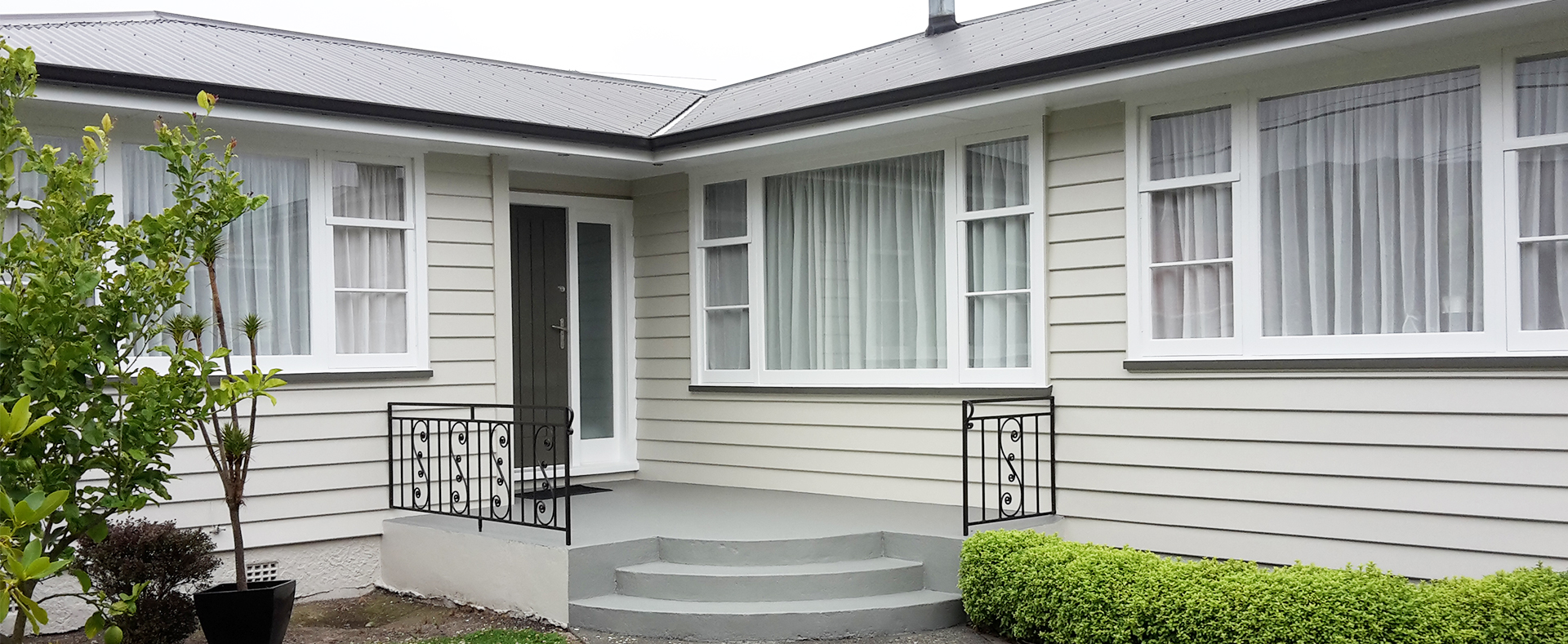
Painting a home may look straightforward from the outside, but a complete project often includes several stages before the first finish coat is applied.
The property needs to be inspected, the existing coating needs to be assessed, damaged areas may need repair, and the surface needs to be prepared correctly. Only then should the final paint be applied.
Auckland properties can contain a combination of timber weatherboards, plaster, brick, concrete, metal, doors, windows, fascia, and other surfaces. Each material can have different preparation requirements.
Before painting starts, professional painters may need to consider:
- Existing paint condition
- Surface damage
- Cracks and holes
- Moisture and water staining
- Mould and algae
- Surface preparation requirements
- Access around the property
- Suitable paint products
Planning these details before work begins can make the entire painting process more predictable.
1. Check Auckland Weather Before Exterior Painting
One of the easiest mistakes to make is choosing a painting date without considering the actual weather conditions.
Auckland weather can change quickly. A day that looks suitable in the morning may become wet or humid later. Exterior surfaces also need sufficient time to dry before and after paint is applied.
Recent rain can leave moisture on or inside some surfaces. High humidity can also influence drying times. Direct sunlight can affect how quickly certain areas dry compared with shaded sections of the same property.
Before exterior painting begins, consider:
- Recent rainfall
- Expected rain
- Humidity levels
- Surface moisture
- Temperature
- Sun exposure
- Drying time between coats
Professional house painters Auckland homeowners work with should consider the condition of the surface and the product requirements rather than simply starting because the calendar says it is painting day.
2. Do Not Skip Surface Preparation
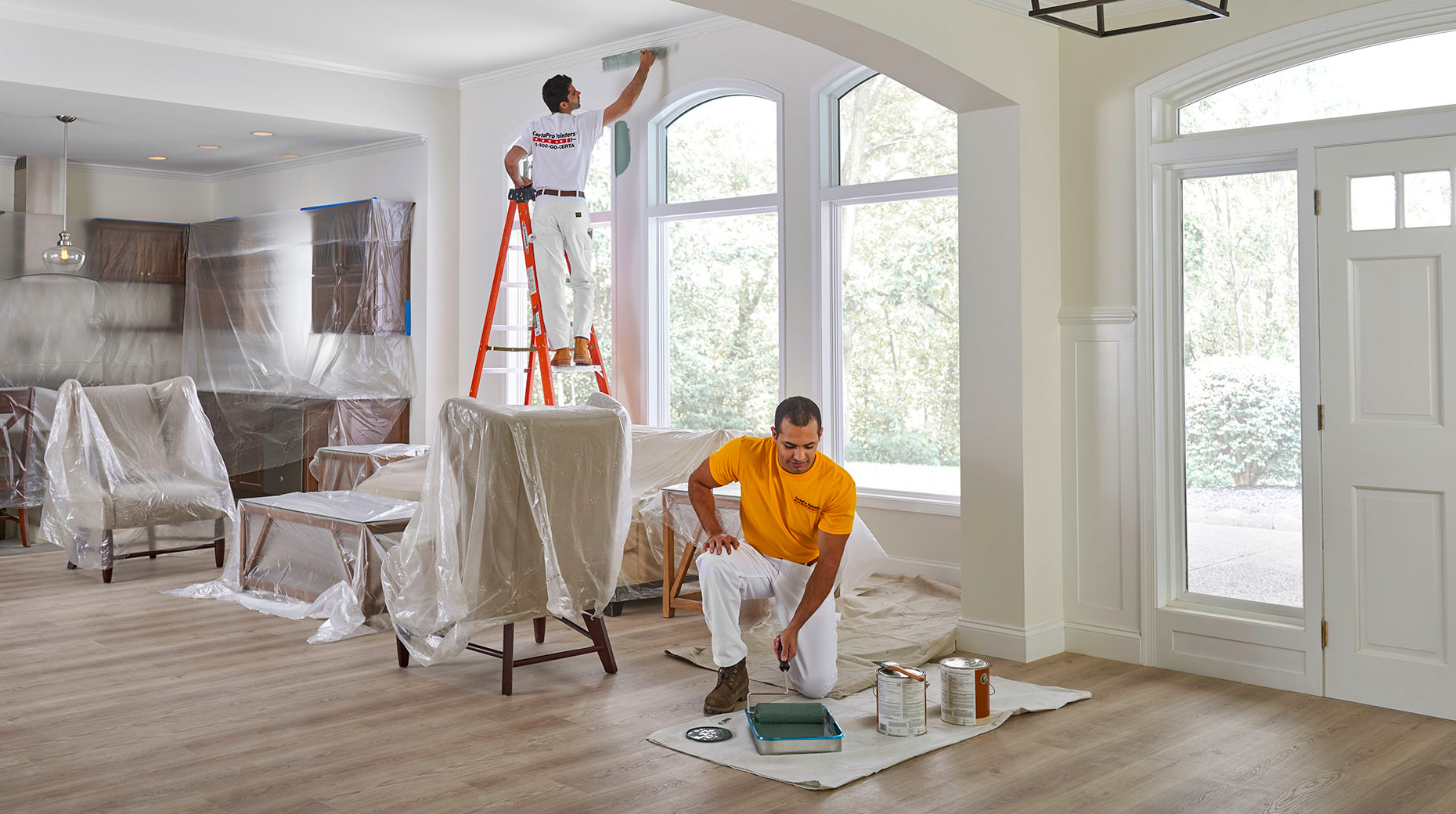
Surface preparation is one of the most important parts of a painting project. It is also one of the stages that can be overlooked when homeowners focus mainly on the final colour.
A wall can look acceptable from several metres away but reveal dirt, loose paint, cracks, holes, old repairs, mould, or uneven areas when inspected closely.
Applying a fresh coating over these problems does not solve them. The defects may eventually become visible through the new paint or cause the coating to fail.
Preparation may involve:
- Cleaning the surface
- Removing loose paint
- Sanding rough areas
- Filling holes and cracks
- Repairing damaged areas
- Preparing bare surfaces
- Applying primer where required
Good preparation provides a cleaner base for the new coating and gives the painter an opportunity to identify problems before they are covered.
3. Never Paint Over Mould, Dirt or Algae
Exterior walls can collect dirt, algae and other contaminants, particularly in shaded areas or places that remain damp for longer periods.
Painting directly over these contaminants can create problems because the new coating is being applied to a surface that has not been properly prepared.
A dark patch on a wall should also be investigated before painting. It could be surface dirt, algae, or a sign that water is repeatedly reaching the same area.
Look around the affected area and check:
- Gutters
- Downpipes
- Window frames
- Roof drainage
- Ground drainage
If water is causing the problem, painting the visible stain will not address the source.
4. Choose Paint for the Surface, Not Just the Price
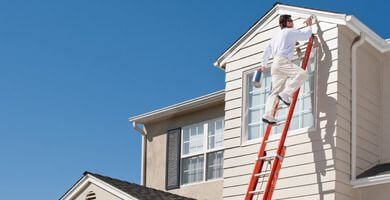
Price is naturally important when planning a painting project. However, the cheapest paint is not automatically the best option for every surface.
Exterior surfaces have to deal with weather exposure throughout the year. Timber, plaster, metal, brick and previously painted surfaces can all require different preparation and coating systems.
When choosing a product, consider:
- The type of surface
- Interior or exterior use
- Existing coating condition
- Weather exposure
- Required finish
- Manufacturer recommendations
For general information about paint products and suitable systems, homeowners can also review resources from Resene and Dulux New Zealand.
5. Repair Cracks Before Applying the Final Coat
Small cracks are easy to ignore when a property is otherwise in good condition. However, they should be assessed before painting.
Some fine surface cracks may remain unchanged for years. Others can grow, return after repair, or appear alongside staining and damaged surfaces.
Pay particular attention to cracks around:
- Windows
- Doors
- Corners
- Material joins
- Previous repair areas
If a crack is changing or repeatedly returning, painting over it may only hide the issue temporarily. The cause should be understood before the final coating is applied.
6. Remember That Windows, Doors and Trim Matter
Large wall areas usually receive the most attention during a repaint, but smaller details can have a major effect on the finished appearance.
Windows, doors, fascia, soffits, gutters and exterior trims may all require preparation and painting depending on the scope of the project.
Before accepting a quotation, homeowners should confirm which areas are included.
- Exterior walls
- Doors
- Window frames
- Fascia
- Soffits
- Exterior trims
A clear scope makes it easier to compare quotes from different Auckland painters.
7. Test Colours Before Painting the Whole House
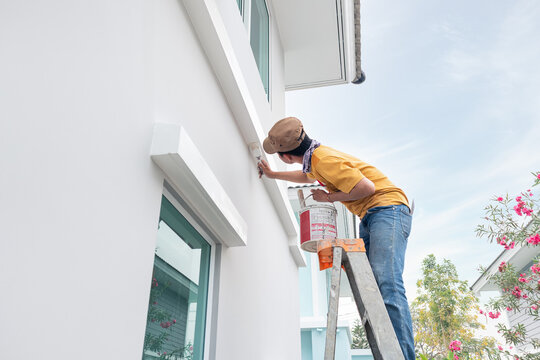
A colour can look very different on a large wall compared with a small colour card.
Natural light changes throughout the day, and surrounding roof colours, landscaping, windows and trim can also affect how a paint colour appears.
Before purchasing enough paint for the entire property, consider testing the selected colour on the actual surface.
Look at the sample during different times of the day. A colour that looks soft in the morning may appear stronger in direct afternoon sunlight.
Testing first can help homeowners avoid making an expensive colour decision they later regret.
How Does Preparation Affect the Final Paint Finish?

The quality of the finished paint job depends heavily on the condition of the surface underneath it.
A smooth, clean and properly prepared surface gives the coating a better base. Poorly prepared surfaces can reveal cracks, rough patches, peeling areas and previous repairs after painting.
This is why professional painting projects often spend considerable time on preparation before the final colour is applied.
Preparation may include cleaning, scraping, sanding, filling, repairs and priming. The exact work depends on the condition and type of surface.
What Should You Ask Auckland Painters Before Hiring Them?
When comparing professional painters, homeowners should look beyond the final price.
Two quotations can have very different prices because they may include different levels of preparation and different areas of the property.
Useful questions include:
- What preparation is included?
- Are minor repairs included?
- Which surfaces will be painted?
- How many coats are included?
- Which paint products will be used?
- Are windows and trims included?
- How will weather affect the schedule?
- Is final clean-up included?
A detailed quotation makes it easier to understand what you are paying for and compare services fairly.
Why Is the Cheapest Painting Quote Not Always the Best?
A low quotation can be attractive, particularly when homeowners are working with a fixed renovation budget.
However, a lower price may reflect a smaller scope of preparation. If loose paint, cracks, damaged surfaces or moisture problems are not addressed, the finished coating may not perform as expected.
Before selecting a contractor, compare the work included rather than looking only at the total price.
A professional quote should make it clear what preparation, materials, painting, repairs and clean-up are included.
Interior Painting and Exterior Painting Need Different Approaches
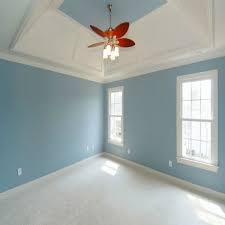
Residential painting can include both interior and exterior work, but the requirements are not identical.
Interior rooms may need paint selected for washability, traffic, lighting, moisture and the desired appearance. Exterior surfaces need to withstand changing weather and environmental exposure.
For interior painting, homeowners may consider:
- Natural lighting
- Room function
- Washability
- Paint sheen
- Existing furniture and flooring
For exterior painting, surface condition, moisture, preparation, access and weather exposure are especially important.
Homeowners planning interior work can also explore RNF Construction’s painters and decorators Auckland resource for more information about interior painting.
What Should Homeowners Check Before Residential Painting?
Before contacting a painting contractor, walk around the property and make a simple list of areas that appear to need attention.
Look for peeling paint, cracks, stains, damaged timber, mould, algae, faded surfaces and areas around windows or doors that appear different from the rest of the property.
For an exterior project, also check gutters, downpipes and areas where plants or garden beds are touching the wall.
This does not replace a professional inspection, but it gives the homeowner useful information to discuss during the initial consultation.
When Should You Hire Professional House Painters?
Professional painting can be particularly useful for larger homes, multi-level properties, extensive exterior projects, difficult access areas, or surfaces requiring substantial preparation.
Consider getting professional advice if you notice:
- Widespread peeling paint
- Repeated paint failure
- Large or changing cracks
- Damp staining
- Damaged plaster
- Damaged timber
- Difficult exterior access
- Previous repairs that continue to fail
An inspection does not automatically mean that the entire home needs to be repainted. Sometimes only a specific area needs preparation or repair. The purpose of an assessment is to understand what the property actually needs before work begins.
How Can You Prepare Your Home Before Painters Arrive?
A few simple steps can make the painting process easier.
For interior painting, homeowners can remove small personal items, clear furniture where possible, identify areas requiring special attention, and decide on colours before the project begins.
For exterior work, homeowners can trim plants away from walls, make gutters accessible, identify known leaks, and tell the painter about previous repairs.
Good communication before the project begins helps the contractor understand the property’s condition and the homeowner’s expectations.
Residential Home Painting Auckland With RNF Construction
RNF Construction works with homeowners on residential painting projects, including interior painting, exterior painting, surface preparation and related property improvement work.
The project can begin with an assessment of the property and the surfaces that need attention. This allows homeowners to discuss preparation, repairs, colours, materials and the overall scope before painting starts.
For homeowners looking for professional house painting services, planning the work properly can help avoid many common problems associated with rushed painting projects.
RNF Construction also provides related plastering services, which can be useful when damaged or uneven surfaces need attention before painting. Homeowners can learn more about plastering services in Auckland before starting a combined repair and painting project.
Final Thoughts
A successful residential home painting Auckland project is about much more than choosing a new colour.
The condition of the surface, preparation, weather, repairs, paint selection and application all influence the final result.
Avoid rushing the preparation process. Do not paint over moisture or loose coatings. Check cracks before covering them, choose products suitable for the surface, and make sure your painting quote clearly explains what work is included.
Whether you are refreshing one room, repainting an exterior, renovating an older property or preparing your home for sale, taking time to plan the project can make the process easier and help you achieve a cleaner finish.
FAQs
How much does residential home painting cost in Auckland?
The cost depends on the size of the property, surface condition, preparation required, access, materials and the areas being painted. A property inspection can provide a more useful basis for a detailed quotation.
What is the most important part of a painting project?
Preparation is one of the most important stages. Cleaning, repairing, sanding and priming where required can help provide a suitable surface for the new coating.
Can I paint over old peeling paint?
Loose or peeling paint should not simply be covered with a new coat. The failed coating should be removed and the surface assessed before new paint is applied.
Should cracks be repaired before painting?
Cracks should be assessed before painting. Small stable surface cracks may require simple preparation, while cracks that are changing or associated with moisture and damaged material may need further investigation.
How do I choose Auckland painters?
Consider previous projects, customer reviews, experience with similar properties, preparation methods, communication and the level of detail included in the quotation.
Can exterior painting be completed after rain?
The surface needs to be suitable and sufficiently dry before painting. Recent rain can affect surface moisture and drying, so conditions should be assessed before work begins.
How many coats does a house need?
The number of coats depends on the surface, existing colour, selected product and manufacturer’s recommendations. The appropriate coating system should be determined according to the condition and type of surface.
Why should I compare painting quotes carefully?
Different quotes can include different levels of preparation, repairs, materials and finishing work. Comparing the scope rather than only the price helps homeowners understand the actual value of each quotation.