

A plaster house exterior can look perfectly fine from the street and still have a few problems hiding around the back. That’s quite common. A small crack beside a window gets ignored. A dark patch beneath a gutter is put down to dirt. Paint starts lifting near the back door, but there’s always something else to deal with first. Then the wet weather arrives.
Auckland gets rain throughout the year, and winter is one of its wetter periods. That makes the months before winter a sensible time to walk around the property and see what the plaster house exterior is actually doing. This isn’t about finding an excuse to repaint the house.
Some marks are harmless. Some old cracks never change. Faded paint may be nothing more than faded paint. The concern is anything that is changing, staying wet, or allowing water to get behind the surface. That’s where a proper inspection can save a homeowner trouble later.
Start With a Walk Around the Whole House
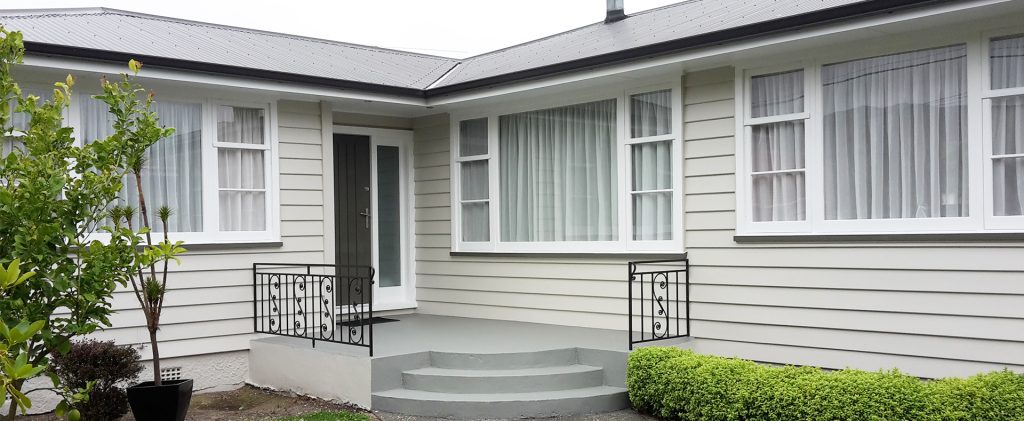
The front wall usually gets the most attention because that’s the part everyone sees. The side and rear walls are different. They’re often hidden by plants, fences, decks, or garden beds. They can go for months without anyone taking a close look. Walk around the whole property instead.
Start from a few metres away. Don’t immediately put your face against the wall looking for cracks. Look at the surface as a whole.
- Does one section look darker?
- Does the finish look different around a window?
- Is one part of the wall more worn than the rest?
Those differences are worth investigating. Then move closer. Look around windows, doors, corners, and joins. These areas tend to attract attention because water and movement can affect them differently from the middle of a wall. The lower part deserves a look too. Plants and garden beds can hide a surprising amount of damage. For a plaster house exterior, keep an eye out for hairline cracks, bulging patches, and areas where the finish looks uneven or patched.
Don’t Treat Every Crack as a Disaster
Cracks worry homeowners for an obvious reason. They’re easy to see. But a crack on its own doesn’t tell the whole story. A fine surface crack that’s been sitting in the same place for years is not the same as one that’s getting longer or wider. The pattern matters. So does the location.
Cracks around windows and doors deserve a closer look because those areas can be affected by movement, moisture, and changes between different materials. If a crack catches your attention, take a photo. That sounds almost too simple, but it gives you something to compare later.
If it changes, keeps returning after repair, or appears alongside staining or damaged plaster, that’s the point to get professional advice. Filling every crack as soon as it’s spotted isn’t always the right answer. First, work out why it’s there.
Your Windows May Be Giving You a Warning
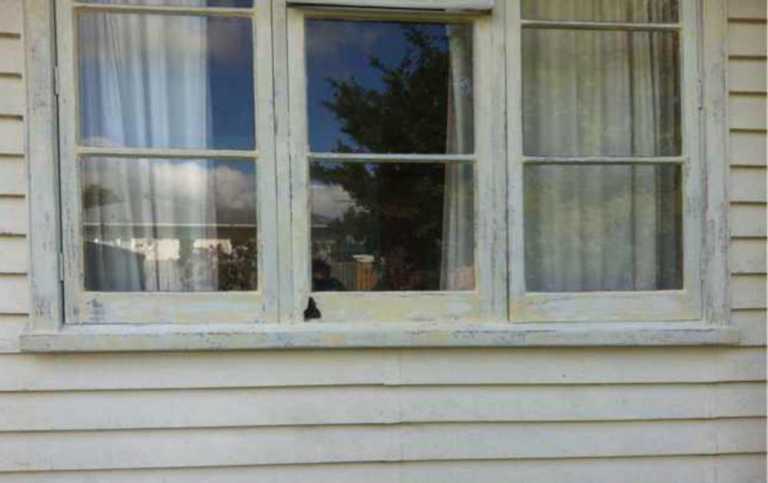
Windows take plenty of punishment from the weather. Rain runs over the frame. Wind pushes water towards the edges. Sealant gets old. Paint can split around the corners. Walk around the windows and look at the surrounding plaster. A small gap may be visible beneath the sill. There could be a dark line along one side. Paint may have started to lift around a corner. None of these signs proves that water is getting inside.
They do give you a reason to look closer. The same applies to exterior doors. Pay particular attention to the point where the frame meets the wall. If that area has been repaired before, check whether the repair still looks sound. Small defects around openings can be easier to deal with while they’re still small.
Follow the Water Before Repairing the Wall
This is one of the most useful things to remember. If a wall is stained, don’t stare at the stain and forget to look above it.
- Look at the gutter.
- Then the downpipe.
- Then the ground below.
A leaking gutter can send water down the same section of wall every time it rains. A loose downpipe joint can do something similar. Water that collects beside the house can keep the lower part of the wall damp. In those cases, the visible mark isn’t the real problem. It’s the result. A fresh coat of paint might make the wall look better for a while, but the same water will eventually return. Before spending money on the finish, find out where the water is coming from.
The Bottom of the Wall Deserves More Attention

Most people inspect the wall at eye level. The bottom often gets forgotten. That’s a mistake.
The lower section sits close to soil, mulch, grass, and garden beds. Rain can splash dirt against it. Leaves can stay there. Plants can grow right up against the surface. Move the plants back enough to see the wall. Look for crumbling areas, peeling paint, moss, dark staining, or a section that always seems damp. Don’t assume the wall itself is at fault.
The problem may be drainage or water collecting nearby. If the same area stays wet after the weather clears, that’s useful information. A healthy Plaster House Exterior should be able to dry properly between periods of rain. For a Plaster House Exterior, pay close attention to the lower wall where moisture and debris tend to collect. Regular Plaster House Exterior checks can help you spot early signs of damage before they spread.
A Dark Wall Isn’t Always a Damp Wall
This is where it pays to slow down. Dark staining can look worrying, but not every dark patch means moisture has got behind the plaster. It might be dirt. It might be algae. It might simply be an area that receives less sun and dries more slowly.
The pattern tells you more. A dark patch directly underneath an overflowing gutter is worth investigating. A little surface dirt beside a garden path may need nothing more than cleaning.
Look at what happens after rain.
- Does the mark become darker?
- Does it spread?
- Does it disappear once the wall dries?
- Does it come back after cleaning?
Those details help separate a surface issue from something that needs repair.
Peeling Paint Is Telling You Something
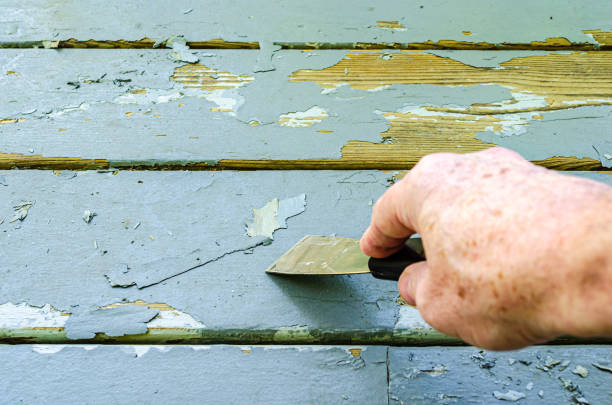
Peeling paint is easy to dismiss as an old-house problem. Sometimes it is simply an ageing coating. Sometimes it points to something underneath. Loose paint should be removed before a new coating goes on. Once the failed material is out of the way, the surface can be checked properly.
Poor preparation from an earlier job can cause paint to fail. Moisture can do it too. A small isolated area may only need local preparation and repair. If large sections are peeling, or the same area keeps failing after repainting, don’t keep adding coats. That usually wastes time and money. The surface needs to be understood first.
What About Bulging or Uneven Plaster?
A wall doesn’t need to be perfectly smooth to be healthy. Older homes often have small variations that have been there for years. A section that suddenly looks swollen, raised, or detached is different. Don’t push it to see how loose it is. Don’t start cutting into it either.
There may be moisture behind the surface, or there may be another cause that isn’t obvious from outside. This is where an experienced plasterer can be useful. The right repair depends on what caused the damage and how far it has spread. Covering the area with paint won’t make unstable plaster sound.
Winter Preparation Isn’t Just About Painting
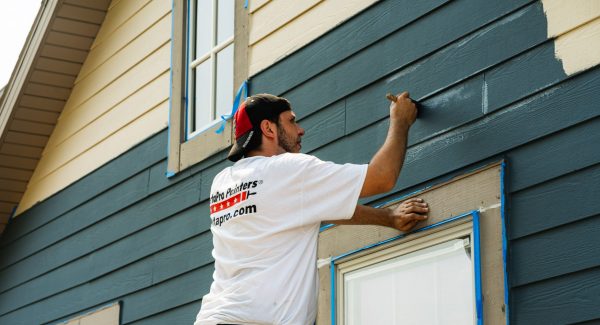
When people think about preparing an exterior for winter, painting is often the first thing that comes to mind. It shouldn’t be.
- Gutters need attention too.
- Downpipes need checking.
- Plants should be kept from completely covering vulnerable areas.
- Water should have somewhere sensible to go once it reaches the ground.
These jobs aren’t glamorous, but they can have more impact on the life of a wall than changing its colour. RNF Construction’s plastering service includes exterior plaster finishes, replastering and resurfacing, texture coatings, protective exterior systems, crack repairs, and water-damage restoration. The company also handles surface preparation before painting. That combination matters when the exterior has both a surface problem and a finish problem.
Don’t Assume an Old-Looking Wall Needs Repainting
Here’s something homeowners sometimes get wrong. A wall can look old without actually being damaged. Paint fades. Dust builds up. Small marks appear. Weather changes the appearance of an exterior over time. None of those things automatically calls for a full repaint.
A better approach is to separate the work.
- Repair anything that’s damaged or changing.
- Maintain the parts that are causing problems, such as blocked gutters or plants sitting against the wall.
- Repaint when the existing coating has genuinely reached the end of its useful life or the homeowner wants to change the appearance.
That way, money goes towards the work the property actually needs.
When a Professional Inspection Makes Sense

Some maintenance jobs are straightforward. Cleaning leaves from gutters and trimming plants don’t require a plastering specialist. Other problems aren’t so easy to judge from ground level.
Professional advice makes sense when you find:
- A crack that’s getting wider
- Loose or bulging plaster
- Repeated damp staining
- Large areas of peeling paint
- Damage around windows
- Failed repairs
- Water coming from a gutter or downpipe
- Surface damage that keeps returning
A professional inspection doesn’t automatically mean a major repair. Sometimes the answer is a small patch. Sometimes the surface needs proper preparation and repainting. Sometimes the wall isn’t the problem at all. Finding that out before starting the work can prevent a lot of wasted effort.
Give the House One More Look After Heavy Rain
There’s a simple way to make an exterior inspection more useful. Look at the house when it’s dry. Then look again after a heavy shower.
The second visit can reveal things that weren’t obvious the first time. You may see water running down a particular section. A stain may become darker. One area may take much longer to dry than the rest.
Take a few photos. You don’t need a technical report. A handful of clear pictures can help show whether something is changing. This is especially useful for homeowners who aren’t sure whether an old crack or stain is actually getting worse.
When Maintenance Turns Into Proper Repair

Sometimes the inspection ends with a hose, a gutter clean, and a bit of garden maintenance. Other times, it becomes clear that the surface needs proper work. That might involve removing failed paint, repairing cracks, fixing damaged plaster, preparing the surface, and applying a suitable exterior coating. The order matters.
Paint should go onto a sound, properly prepared surface. RNF Construction’s published process starts with a consultation and surface assessment, followed by preparation, plaster application where required, and a final inspection and clean-up. Homeowners who are facing a problem with the Plaster House Exterior have the option of completing their plastering and painting needs together. The point isn’t to make every wall look brand new. It’s to catch the problems that matter, fix them properly, and head into winter without leaving obvious issues to get worse.
FAQs
How often should a plaster exterior be inspected?
An annual or semi-annual visual inspection is a good practice to adopt. A fall inspection is recommended since it allows you enough time to sort out any cracks, problems with paint, moisture, etc., before the rainy or winter season arrives.
Are small cracks in exterior plaster always serious?
No. Some fine surface cracks remain unchanged for years. What matters is whether the crack is growing, returning after repair, or appearing alongside staining, movement, or damaged material. Those signs deserve closer attention.
Can peeling paint be covered with a new coat?
It is best not to do so. The loose paint has to be stripped away before inspection. If moisture or inadequate surface preparation causes the problem, adding an additional layer will not fix the cause of the paint peeling off.
Why should gutters be checked when inspecting exterior walls?
A leaking or clogged gutter will repeatedly expose water to the same portion of the wall. If the problem remains unsolved, there is the possibility of continual staining and failure of paint even after repairs to the wall have been made.
What should be done if the exterior plaster looks swollen?
Don’t press on it or break it open without knowing what’s behind it. Bulging can have different causes, including moisture. A professional can assess the area and determine whether it needs a small repair or more extensive work.
Can plants damage exterior plaster?
A plant does not necessarily harm a wall, but at the same time, excessive growth can make the surface wet and conceal some of the existing defects. It also becomes easier to examine the wall in such cases.
Does paint protect exterior plaster?
A suitable exterior coating can protect a properly prepared surface from normal weather exposure. It can’t repair damaged plaster or stop an active water problem. Those issues need to be dealt with before painting.
When should a homeowner call a plastering professional?
Seek guidance if you have cracks expanding, loose plastering, repeated damp patches, extensive paint failure, or if old repairs have not succeeded. An early inspection will assist in pinpointing the underlying problem before the repair job grows bigger.