

Interior painters Wellington homeowners choose can make a big difference when a room feels dark, dull or outdated. The right paint colour, preparation and finish can change how a room looks and how comfortable it feels.
Dark rooms are common in homes where natural light is limited. Small windows, shaded areas, older colours and poor artificial lighting can all make an interior feel smaller than it really is.
A professional interior painting project does more than add a new colour to the walls. Proper preparation, colour selection and application all play an important role in creating a clean and lasting result.
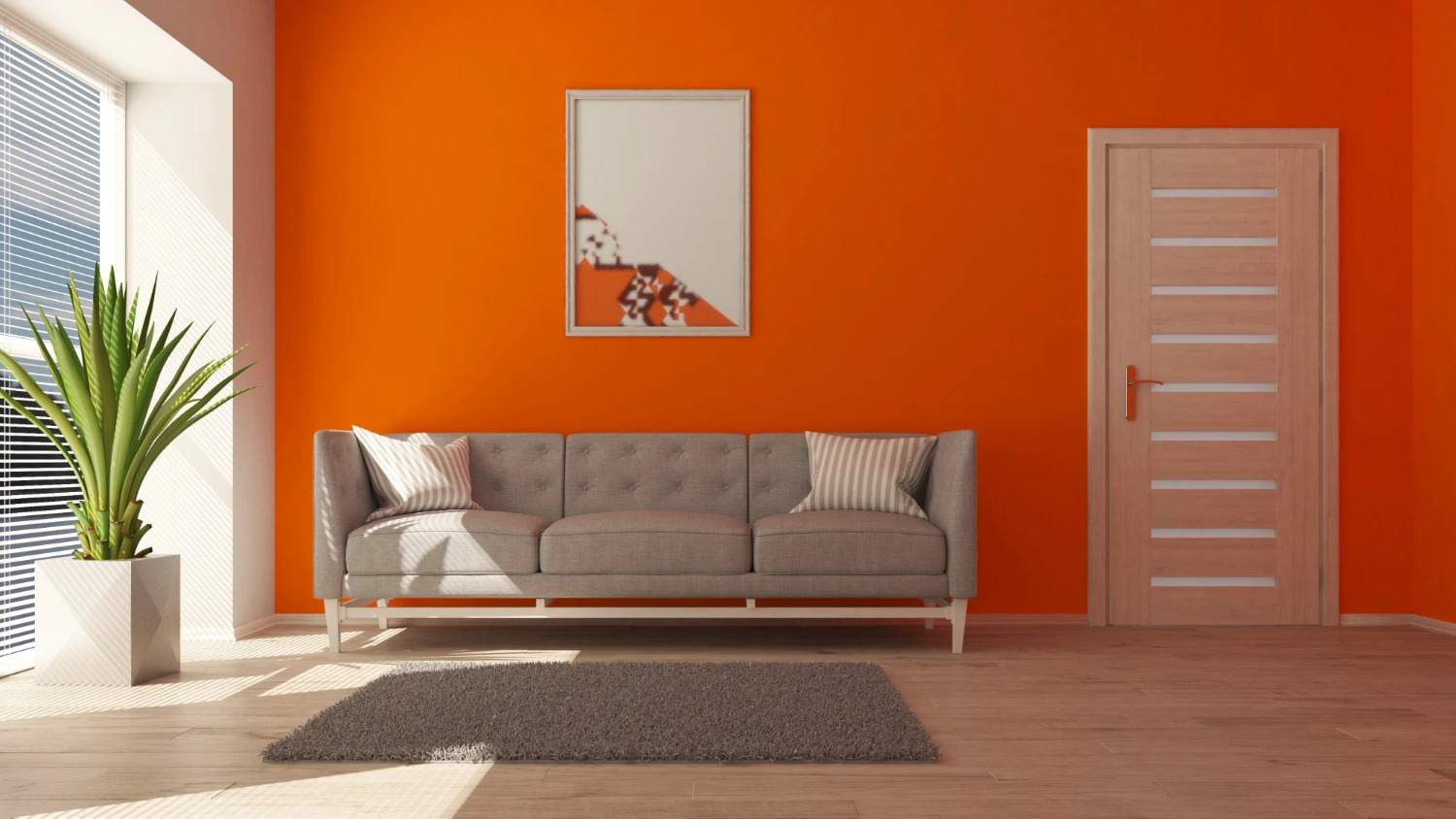
Why Do Some Rooms Feel Dark?
Before choosing a new paint colour, it helps to understand why the room feels dark in the first place.
Natural light is one of the biggest factors. A room with a small window or a window facing a shaded area will naturally receive less daylight.
Wall colour can also affect the appearance of a room. Dark colours absorb more light, while lighter colours generally reflect more light around the space.
Other factors can include dark flooring, heavy curtains, large furniture and older light fittings.
Painting cannot solve every lighting problem, but the right colour and finish can help make the room appear brighter and more open.
7 Smart Ways to Brighten Dark Rooms
1. Choose Lighter Wall Colours
One of the simplest ways to make a dark room feel brighter is to choose a lighter wall colour.
White is an obvious choice, but homeowners do not have to use pure white. Soft whites, warm neutrals, light greys and pale natural colours can also create a brighter appearance.
The best colour depends on the amount of natural light in the room and the existing colours of the floor, ceiling, furniture and trim.
It is also important to test paint colours in the actual room. A colour can look very different under natural daylight compared with artificial lighting.
2. Use the Ceiling to Increase the Sense of Space
The ceiling has a major effect on how a room feels. A light ceiling can help reflect available light and make the room feel more open.
For many rooms, a clean white or soft neutral ceiling works well with lighter wall colours.
If the ceiling has stains, cracks or an old coating, preparation should be completed before painting. Simply applying another layer of paint may not provide the finish you want.

3. Prepare the Walls Before Painting
Good interior painting starts with preparation. If the wall has holes, cracks, peeling paint or uneven areas, these should be dealt with before the new colour is applied.
Depending on the condition of the wall, preparation may include cleaning, filling, sanding, repairing damaged areas and priming.
This is particularly important when changing from a dark colour to a lighter colour. Without proper preparation, the new paint may require additional coats to achieve an even finish.
Professional painting services can help identify preparation work that may not be obvious from a quick visual inspection.
4. Make the Most of Natural Light
Paint colour works together with the natural light already available in the room.
If a room receives limited daylight, very dark wall colours can make the space feel even darker. Lighter colours can help reflect available light and create a more open appearance.
Window coverings are also worth considering. Heavy curtains can block a significant amount of daylight. Using lighter curtains or opening blinds during the day can help the room feel brighter without changing the paint.
Mirrors can also help reflect light around a room, particularly when positioned where they can catch daylight.
5. Choose the Right Paint Finish
Paint colour is not the only decision. The finish can also influence the appearance of the walls.
Different areas of the home have different requirements. Living rooms, bedrooms, hallways, kitchens and bathrooms may need different levels of durability and washability.
A suitable finish can help the room look consistent while also making the painted surface easier to maintain.
Homeowners can review product information from Resene and Dulux New Zealand when comparing interior paint options.
6. Use Colour Consistently Between Rooms
If several rooms are connected, using a consistent colour scheme can make the entire home feel more spacious.
This does not mean every room needs exactly the same colour. Instead, homeowners can choose complementary shades that work together.
For example, a soft neutral in the hallway can transition into a slightly warmer or cooler shade in the living room while maintaining a consistent overall appearance.
This approach can be particularly useful in smaller Wellington homes where rooms are visually connected.
7. Refresh Dark Trim and Doors
Walls are not the only surfaces that affect how bright a room feels. Doors, skirting boards, architraves and other trim can also influence the overall appearance.
If trim has become yellowed, damaged or heavily marked, repainting it can make the room look cleaner and fresher.
A lighter trim colour can also create contrast against the walls and make architectural details more noticeable.
How Interior Painters Wellington Can Help
Hiring experienced interior painters Wellington homeowners can rely on can make the project easier from preparation through to the final coat.
A professional painting team can help assess the existing surfaces, prepare damaged areas and apply the selected paint correctly.
This can be especially useful when the walls have several layers of old paint or when you are changing from a dark colour to a much lighter shade.
Professional painters can also help homeowners understand what preparation is required before the project starts.
Interior Painting Mistakes to Avoid
A few common mistakes can affect the final result of an interior painting project.
Skipping Surface Preparation
Painting directly over dirty, damaged or peeling surfaces can result in an uneven finish and poor adhesion.
Choosing a Colour Without Testing It
Paint colours can change depending on natural light, artificial lighting and surrounding colours. Testing a sample in the room can help avoid an unwanted result.
Using the Same Product Everywhere
Different rooms can have different requirements. A product that works well in a bedroom may not be the best option for a high-use kitchen or bathroom.
Using Too Many Dark Colours
Dark colours can look excellent when used correctly, but covering every wall in a small room can make the space feel more enclosed.
Ignoring Small Wall Repairs
Small dents and cracks may become much more visible after repainting. Repairing them before painting can help create a smoother finish.
How to Choose Colours for Dark Wellington Rooms
There is no single best colour for every dark room. The right choice depends on the room’s size, lighting and existing design.
Soft whites are popular because they create a clean and bright appearance. Warm neutrals can make a room feel comfortable without becoming too dark.
Light grey can also work well when homeowners want a modern appearance without using pure white.
For homeowners who want more colour, pale green, blue or beige tones can add personality while keeping the room relatively light.
Before committing to a colour, look at it at different times of the day. Morning daylight, afternoon light and evening lighting can all change how the colour appears.
Interior Painting and Wall Repairs
Sometimes a room needs more than a new coat of paint. Old walls can have dents, cracks, holes or other imperfections that become more noticeable after painting.
Wall repair before painting can improve the final appearance and help create a smoother surface.
If your property needs both interior repairs and painting, completing the preparation first can make the overall project more efficient.
Preparing Your Home for Interior Painters
Homeowners can take a few simple steps before the painters arrive.
- Remove small personal items from the room
- Move furniture away from the walls where possible
- Identify areas that need repair
- Decide which colours you want to test
- Discuss preparation requirements with the painter
- Confirm which rooms and surfaces are included in the project
Good preparation can make it easier for the painting team to work efficiently and help reduce surprises during the project.
When Should You Repaint Your Interior?
There is no fixed period that applies to every home. The right time to repaint depends on the condition of the walls and the amount of wear they receive.
Signs that a room may need repainting include faded colour, scuff marks, peeling paint, visible repairs and an overall tired appearance.
You may also want to repaint when renovating, preparing a property for sale or updating an older interior.

Interior Painters Wellington: Final Checklist
If a room in your Wellington home feels dark, use this checklist before starting an interior painting project:
- Check how much natural light the room receives
- Test lighter colours before making a final decision
- Inspect walls for cracks and damage
- Repair damaged surfaces before painting
- Choose a suitable paint finish
- Consider the ceiling and trim colours
- Use colours that work with existing flooring and furniture
- Plan preparation before the painting begins
Frequently Asked Questions
What colours make a dark room look brighter?
Soft white, light neutral, pale grey and other lighter shades can help a dark room appear brighter. The best choice depends on the natural and artificial lighting in the room.
Should I use white paint in a dark room?
White can be a good option, but it is not the only choice. Warm whites and light neutral colours can create a softer appearance while still helping reflect available light.
How can I make a small Wellington room look bigger?
Lighter wall colours, a light ceiling, good lighting and a simple colour scheme can help make a small room feel more open.
Do I need to repair walls before painting?
If the walls have cracks, holes, dents or peeling paint, repairing them before painting can improve the final finish.
How do I choose the right interior paint?
Consider the room, amount of traffic, existing surfaces, desired finish and cleaning requirements. A professional painter can also help you choose a suitable product.
Can professional painters help choose colours?
Yes. Experienced interior painters can provide practical guidance based on the room, lighting and existing finishes, although the final colour choice is usually a homeowner’s preference.
How long does an interior painting project take?
The timeframe depends on the number of rooms, surface condition, preparation required and number of coats. A professional assessment can provide a more accurate estimate.
Brighten Your Wellington Home With Professional Interior Painting
A dark room does not always need major renovation to feel brighter. The right paint colour, proper preparation and a suitable finish can make a noticeable difference.
Before starting, inspect the walls, consider the natural light and test your preferred colours in the actual room. If the surfaces need repairs or extensive preparation, completing that work first can help produce a much better result.
If you are looking for experienced interior painters Wellington homeowners can rely on, RNF Construction can help with preparation and residential painting projects.