

Professional painters and decorators Auckland know that a renovation does not necessarily involve extensive work to refresh your property. Sometimes, all that is needed is a cleaning up of the scratches that the hallway walls have acquired; the living room walls may have become somewhat dirty, and the corners of the doors covered in years’ worth of scratches. The paint around the door handles will have been worn away by use over the years.
There are also the minor repairs that did not seem like a big issue at the time but are now noticeable against the wall behind them. It does not always start with choosing the right color to repaint the wall. It is always useful to find out what the cause of the tired look is before starting to think about which colors to choose. The cause of the tired look may not even be the color but rather the wall surface itself, damaged trim, or poor painting.
Start With the Areas That Get Used Most
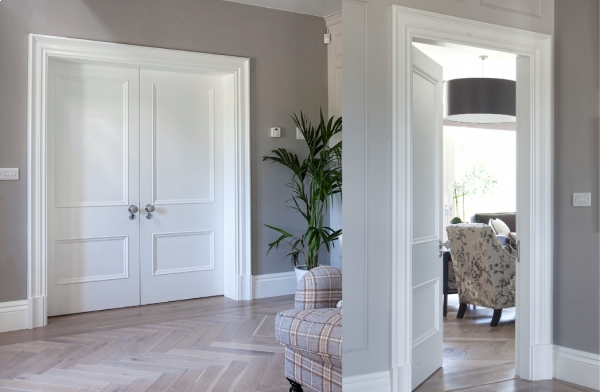
Some parts of a home show wear much faster than others. The hallway is one of them. People walk through it all day. Furniture gets carried past the corners. Bags brush against the walls. Light switches get touched hundreds of times. After a few years, the marks add up.
Doorways have the same problem. Paint around handles can become grubby, while the lower edges of doors may have small chips from everyday knocks. These areas can make a home look tired even when the main walls are still in reasonable condition. That doesn’t mean everything needs repainting.
A better approach is to find the surfaces that have actually worn out and deal with those first. Painters and decorators in Auckland can help identify the areas that need the most attention.
Fresh Paint Can’t Hide a Bad Wall

One of the biggest mistakes in interior painting is assuming a new colour will cover every problem underneath. It won’t. A filled hole can still show if the repair sits higher than the surrounding plaster. Sanding marks can remain visible. Loose paint can start lifting again. Old stains can come back through the new coating.
Preparation takes care of these problems. A wall may need cleaning before anything else happens. Small holes can be filled. Rough areas can be sanded. Bare sections may need primer. Only then is the surface ready for its new colour.
It can seem like a lot of work for a wall that will eventually be covered in paint. Yet the finished surface tells the story. A carefully prepared wall looks even. A rushed one can still look patched after two fresh coats.
Look Closely at Your Doors
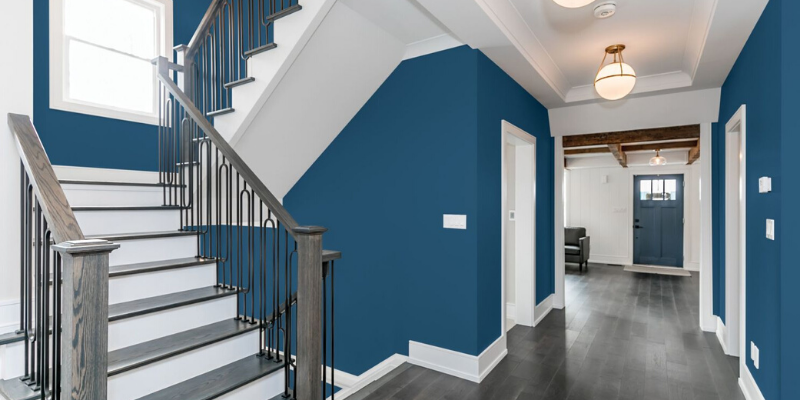
Doors are easy to overlook because they’re part of the background. Take a closer look at one. The edges may have several old layers of paint. The area around the handle may be darker. The bottom edge may have chips and scratches. There might be a small buildup of paint around the hinges.
These are normal signs of years of use. They can also stand out after the walls have been freshly painted. That’s why doors, skirting boards and architraves should be considered when planning an interior repaint by painters and decorators Auckland. They don’t always need painting, but they should at least be checked.
A clean wall beside badly worn trim can leave the room looking half-finished.
Older Auckland Homes Need More Care
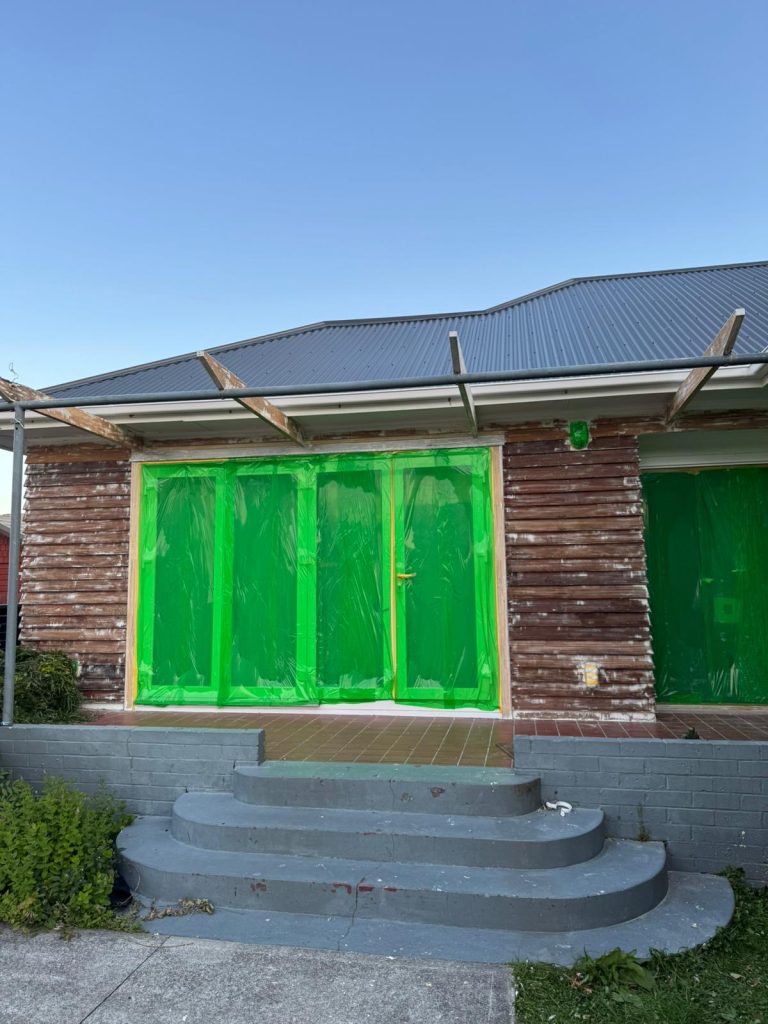
Older Auckland homes often have plenty of character. They can also have years of paint underneath the latest colour. A wall may have been painted several times. Timber trim may have thick layers around the edges. Previous owners may have repaired dents and cracks without fully smoothing them. This doesn’t mean every surface needs to be stripped back.
That can add a lot of work without giving the homeowner much extra value. The existing paint should first be checked. If it’s sound and well bonded, normal preparation may be enough. If it’s peeling, cracking, or failing, the problem needs more attention before another coating goes on. This is one area where experience matters.
Painters and decorators Auckland often deal with these older homes and know how to prepare them properly. Two rooms in the same house can look similar but need very different preparation.
Your Kitchen Cabinets May Have More Life Left in Them

An outdated kitchen does not necessarily need replacement. If the cabinet doors and frames are still sturdy, repainting could be an option. The preparation process is more complicated than simply painting a bedroom wall. There is grease and other cooking residues on kitchen cabinets that are cleaned often.
Some have a coating that is slick and will not take paint unless there is proper preparation. Preparation begins with cleaning. Sometimes sanding and priming are necessary depending on the type of wood and existing finish. The top coat needs to be suitable for the surface and for how much it is used. There are limits, of course.
Paint won’t fix swollen boards or serious water damage. If the material has already failed, repair or replacement may be the better option. A good painting plan should make that distinction before work begins.
Don’t Forget the Ceiling
Most people spend more time looking at walls than ceilings. That’s understandable. But an old ceiling can quietly make an otherwise fresh room look dated. Yellowing is common in older interiors. So are old watermarks and small repairs. Water stains need special care.
Covering it up without first finding out what’s causing the problem will only create more trouble. The stain might come back if there is still a leakage or moisture problem. It is best to deal with the problem first. After it has dried up, the surface can then be ready for painting.
If you are searching for painters and decorators Auckland, make sure that they know how to prepare the ceiling just as much as how to paint it. Proper preparation, good edges, and a proper paint system will certainly improve the outcome. Stains should always be solved prior to painting for a better finish. Painters and decorators Auckland should always address stains and repairs before painting.
The Paint Finish Matters Too
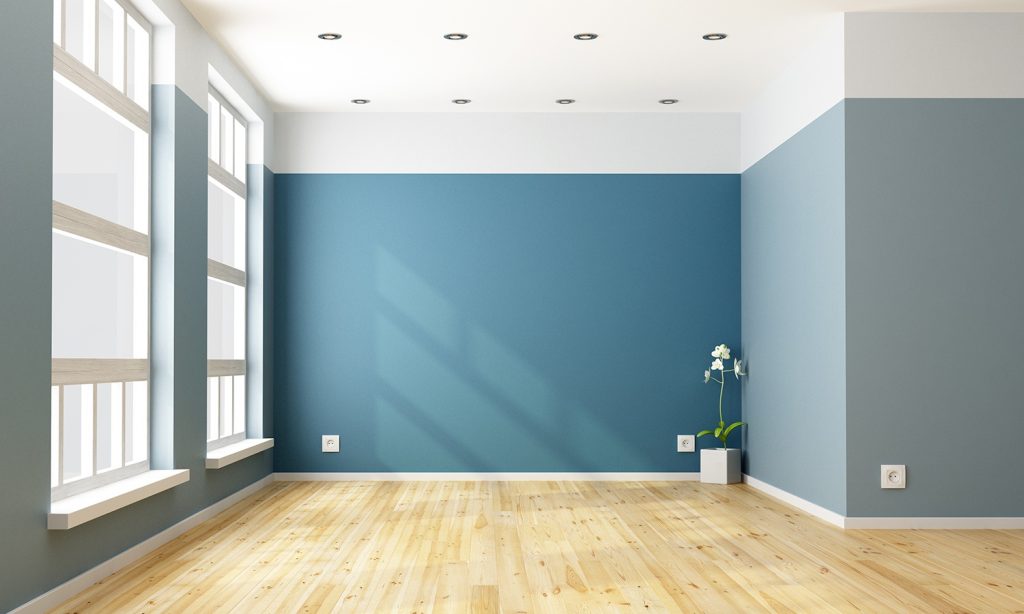
Colour gets most of the attention. The finish matters just as much in some rooms.
- A hallway needs to handle regular cleaning. A kitchen wall has to deal with cooking marks. Doors and trim receive plenty of handling.
- A very shiny finish can also make dents and uneven repairs easier to see because it reflects more light.
- A lower-sheen finish can be more forgiving on some walls, while a more washable finish may make sense in areas that get dirty often.
There isn’t one answer for every room. The right finish depends on the surface and how the space is used.
Don’t Choose a Colour Without Looking at the Room

A paint card only tells part of the story. The actual room has timber floors, furniture, curtains, cabinets, and doors. All of them affect how the new colour will feel. A shade that looks simple in isolation can appear much warmer or cooler beside existing finishes. This is especially noticeable in homes with natural timber. The answer isn’t to avoid colour.
It’s to choose it with the rest of the room in mind. There is also no rule saying every Auckland interior has to be painted stark white. Soft whites, muted neutrals and gentle colours can all work when they suit the existing finishes. The safest choice isn’t always the most fashionable one.
Don’t Repaint Rooms That Don’t Need It

A painting project can grow quickly.
- The living room needs work.
- Then the hallway.
- Then the bedrooms.
- Then the doors.
- Then the ceilings.
Before long, the original budget had doubled. A simple inspection can prevent that.
Separate the surfaces into three groups:
- Needs painting: peeling, damaged, stained, or badly worn.
- Could benefit from painting: dated colour, moderate wear, or tired trim.
- Still looks good: clean, sound, and easy to maintain.
If a spare bedroom still looks good, there’s no real reason to repaint it simply because another room needs work. Spending money where the wear is visible can give a better result than repainting everything.
What Should a Painting Quote Cover?
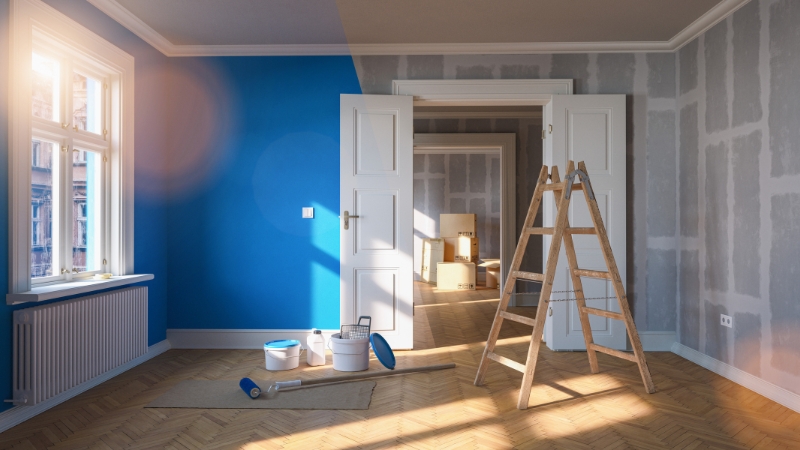
The final price shouldn’t be based only on how many rooms are in the house. The condition of those rooms matters. Before accepting a quote, check whether it includes:
- Surface cleaning
- Filling holes and dents
- Sanding
- Removal of loose paint
- Primer where required
- Walls
- Ceilings
- Doors and trim
- Floor and furniture protection
- Final clean-up
Not every property will require all of these.
A newer home with smooth walls may need much less preparation than an older house with damaged plaster and several layers of paint. This is why an inspection is useful before the price is confirmed. For painters and decorators Auckland, a clear inspection helps ensure the quote reflects the work needed for the property. It also helps you compare prices from local painters and decorators Auckland based on the same scope of work. That way, you can choose a quote that includes the right preparation, finish, and clean-up for your project.
When Do Professional Painters and Decorators Auckland Need to Be Called?
There are painting jobs that homeowners can handle themselves. One small bedroom with good walls is very different from a full interior repaint. Once several rooms are involved, there is more cutting in, more preparation, and more furniture to protect. High ceilings and damaged surfaces add more time.
Professional help can be useful when the job includes:
- Several rooms
- Old or peeling paint
- Damaged plaster
- High ceilings
- Large amounts of trim
- Kitchen cabinets
- Extensive preparation
- Different paint finishes
The benefit isn’t simply getting the work done faster. It’s having someone recognise what needs preparation, what needs repair, and what can safely be left alone. That’s where experienced painters and decorators Auckland homeowners hire can bring useful judgement to the project.
A Fresh Interior Doesn’t Have to Look Like a Different House

A good repaint can be surprisingly subtle. The hallway looks cleaner. The doors have sharper edges. Old wall repairs disappear into the surface. The kitchen feels less dated.
The ceiling no longer draws attention for the wrong reason. The home still looks like itself. That’s often the better result. Paint should improve the condition and appearance of the interior without forcing homeowners to replace everything around it.
Expert painters and decorators Auckland can assist homeowners considering an interior renovation in determining which surfaces require maintenance and which are still in good condition. Clean surfaces, proper preparation, and a finish that complements the way the property is used.
Do You Need Professional Painters and Decorators Auckland?

If the job involves several rooms, damaged surfaces, ceilings, doors, or detailed preparation, professional help can take much of the guesswork out of the process.
Both the preparation and the visible painting work should be included in a quality interior painting service. Repairs, sanding, priming, safeguarding flooring and furniture, using the appropriate coatings, and inspecting the completed surfaces are some examples of this.
RNF Construction offers interior painting services in Auckland and can inspect the house before work starts for homeowners in need of expert assistance. It includes interior wall and ceiling painting, preparation, and priming, with quotes available for the required work.
Need your interior refreshed? Contact us to discuss your painting project and request a quote.
FAQs
How frequently should a house in Auckland be painted?
Every home has a different time. Kitchens, corridors, and other active areas could require maintenance more quickly than bedrooms or quieter spaces. The state of the existing covering is a better indicator than age alone.
Is it necessary to paint every wall?
No. Some walls can frequently be left alone if they are stable, clean, and still have a nice appearance. The project can be kept more manageable by concentrating on worn or damaged areas.
Can old wall repairs be painted over?
Once they are prepared, they can be painted. This might involve priming, sanding, and filling before applying the final coating, depending on the repair.
Is it beneficial to paint kitchen cabinets?
It may be that the cabinets are still structurally solid. Kitchen surfaces deal with grease, dampness, and frequent cleaning; therefore, proper cleaning and preparation are necessary.
Is it necessary to paint over water stains?
Not until the source has been fixed. If moisture is still entering the surface, the stain can return and damage the new paint.
Do doors need a different paint from walls?
Often, yes. Doors receive more handling and cleaning, so the coating needs to suit that use. The existing surface also affects how much preparation is required.
How can painting costs be kept under control?
Start with the areas that are clearly worn or damaged. Don’t assume that every room needs to be repainted; instead, get a quote that separates necessary preparation from optional labor.
What needs to be checked before hiring painters?
Check whether there is a need for primer, the kind of preparation that is involved, what areas will be painted, the number of coats, and whether the quoted price covers doors, moldings, ceiling, protection, and clean-up.