
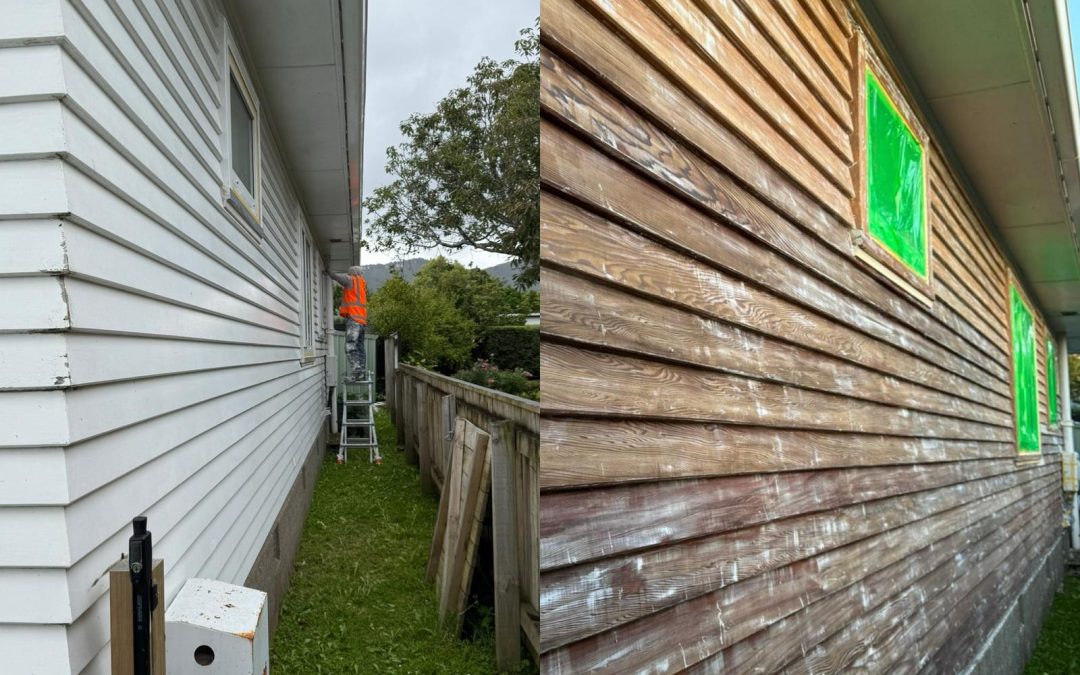
Homeowners choose stucco wall systems because they provide a neat appearance that lasts through proper maintenance. The situation becomes problematic when people fail to address minor damage. The damage begins with small cracks and water stains and develops into larger problems.
Proper repairs prevent more serious damage to walls while maintaining building safety for extended periods. The article describes the main reasons for damage, the process of stucco wall repair, and the function of exterior surface work in stucco wall protection.
Why Stucco Walls Start Failing?
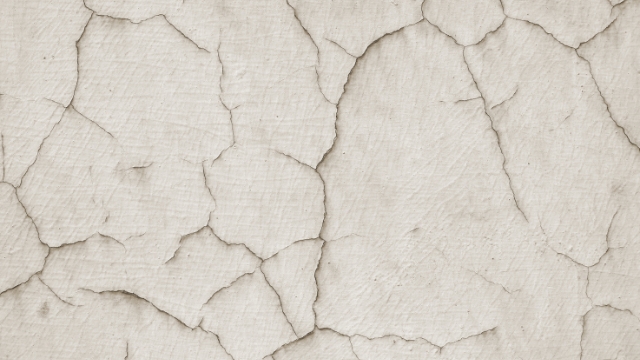
Stucco is made of three materials: cement, sand, and water. The material creates a solid exterior coating. The protective layer safeguards the house against environmental conditions.
The building experiences increased stress when its location shifts and when the temperature changes. The studies show that wall surfaces undergo expansion of 0.5 millimeters because of the temperature changes that occur every day. The ongoing process of this operation creates cracks that will continue to develop throughout time. The correct method of repairing stucco walls enables stress control, which results in wall stability.
Issues in Stucco Walls:
Here are some issues that affect stucco walls:
Small Wall Cracks
Cracks are the first sign of wall stress. They often appear as thin lines on the surface.The temperature shift causes stucco to expand at high temperatures and to shrink when temperatures drop. The ongoing material movement causes materials to develop cracks in their structure. Homes that skip early Stucco Wall Repair often see cracks widen. Once water enters these cracks, damage spreads inside the wall.
Many repair cases start with cracks less than 2 mm wide. The small openings create a risk of generating serious damage when they remain open. The timely application of crack filler prevents moisture infiltration, which results in less future maintenance work.
Water Entry and Moisture Damage
The most significant cause of wall damage is water. Moisture enters through stucco walls because rain, roof leaks, and blocked gutters allow water to enter. The process begins when moisture enters the building, which leads to the destruction of the outermost surface layer. Once water enters, it weakens the surface layer. Paint starts bubbling. Dark patches may appear.
In many cases, Stucco Wall Repair is needed after long wet seasons. Moisture stays trapped and slowly breaks down the wall structure. Walls that stay damp for long periods lose strength. This leads to soft areas that may need full section replacement. Good drainage around the home reduces this risk. Clear gutters and proper roof flow help keep walls dry.
Poor Installation Work
Bad installation is another major cause of damage. Stucco must be applied in layers. Each layer needs the correct drying time. If work is rushed, weak spots form inside the wall. These spots later turn into cracks or hollow areas. A lot of Stucco Wall Repair jobs come from old homes where the base work was not done well. Signs of poor installation include:
- Uneven wall surface
- Hollow sound when tapped
- Random cracking lines
Fixing these issues may need the removal of damaged sections before new material is applied. Good base work is key to long wall life.
Weather Impact on Stucco Walls
Weather plays a big role in wall condition. The three weather elements of strong sun, heavy rain, and wind all damage stucco surfaces. The damage process begins earlier in coastal areas and regions that experience heavy rainfall. Salt in the air also weakens surface coatings over time.Many homes need Stucco Wall Repair after harsh weather seasons. Surface paint fades, then cracks form below.
The UV rays dry out the surface layer of the material. This method causes the wall to lose its strength because it produces cracks throughout the wall surface. The process of conducting regular seasonal inspections enables the detection of initial damage that would have remained hidden until it progressed further.
Hire a Professional Team for Stucco Wall Repairs
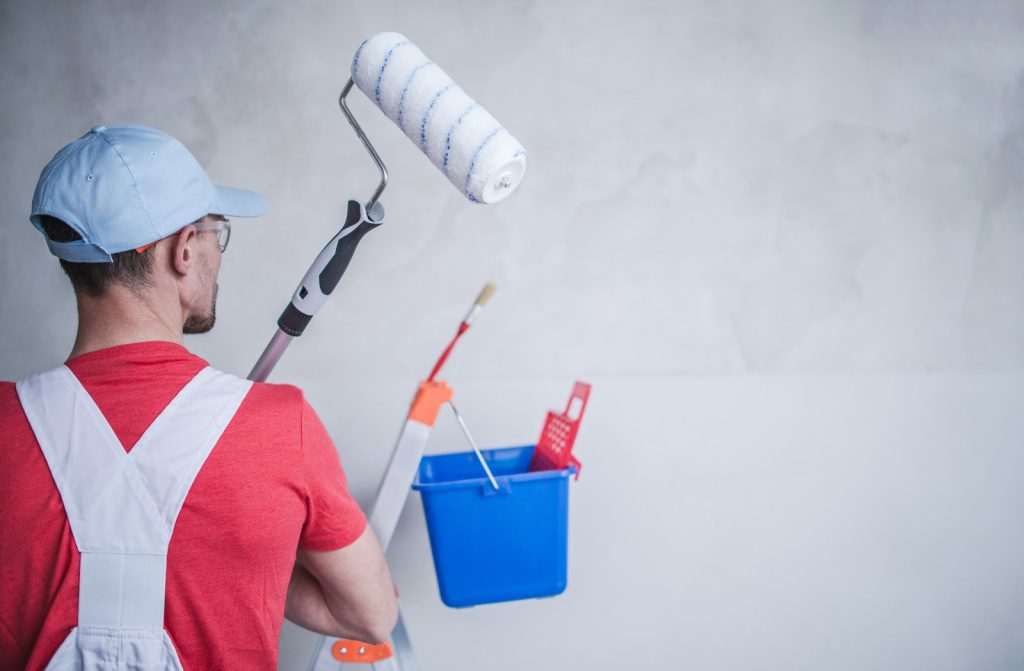
Fixing stucco damage needs the right steps and careful work. Teams like RNF follow a clear process to handle wall problems. They follow proper repair steps.
- Inspection: Check on the wall for cracks, moisture, and weak points.
- Surface Preparation: Removal of the loose material. Cleaning of the surface.
- Damage Filling: Filling cracks and holes with a bonding material.
- Surface Leveling: Smoothing of the repaired area to be in line with the wall.
- Waiting Time: Waiting time for each layer to dry.
- Final Paint: Giving the coating or final paint.
A complete Stucco Wall Repair done this way gives long-lasting results.
Long-Term Benefits of Proper Repair
Good repair work improves both strength and appearance. Benefits include:
- Longer wall life
- Better moisture protection
- Lower future repair cost
- Improved home value
A Stucco wall repair also makes exterior painting last longer. This reduces maintenance effort over time.
Common Mistakes During Repair Work
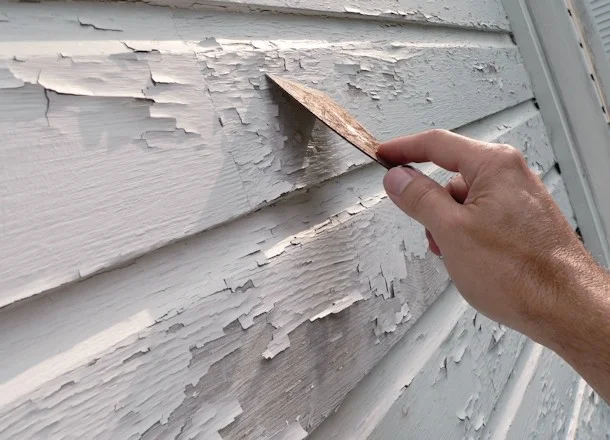
Many repair jobs fail due to simple errors. Common mistakes include:
- Painting over cracks without fixing them
- Skipping cleaning before repair
- Using the wrong materials
- Rushing drying time
These mistakes reduce repair life. A proper Stucco Wall Repair avoids shortcuts and follows each step carefully.
Cost Factors in Stucco Wall Repair
Repair cost depends on several factors.
- Small cracks cost less. Deep damage costs more.
- Moisture damage increases cost due to extra work.
Data shows that early repair can reduce total cost by up to 50% compared to delayed repair. A full Stucco Wall Repair may also include painting and sealing.
Maintenance Tips for Stucco Walls

Stucco walls need regular maintenance to stay in good condition. Basic maintenance steps:
- Check walls twice a year
- Clean the surface to remove dirt
- Identify and fix small cracks early
- Inspect drainage and roof edges
Homes with regular maintenance need fewer repairs. A timely Stucco Wall Repair keeps the wall strong and reduces long-term damage.
Conclusion
Proper maintenance can extend the lifespan of stucco walls for multiple decades. The majority of damage begins at a minor stage, which progressively develops into a more severe stage.
Cracks, water entry, weather impact, and poor installation are the main causes of damage. Early action reduces repair size and cost. A planned Stucco Wall Repair process, combined with surface painting work, helps protect the wall for longer use. Regular checks and simple care steps keep homes in better condition.
FAQs
What is the first sign of stucco damage?
The first signs of stucco damage appear as small cracks and light stains, which develop on the wall. These show early surface stress and should be checked quickly.
Can small cracks be ignored?
The small crack, which appears harmless, will develop into a larger problem. The wall contains these cracks, which allow water to enter and create severe internal damage.
How long does it take to repair stucco?
The time required to complete stucco repairs depends on the specific damage that needs to be fixed. Minor repairs can take a few hours. The process of fixing severe damage will take multiple days because we need to dry the area before we can match the surface.
Does painting help protect stucco walls?
Yes. Exterior paint helps seal the surface and reduces water entry. It also protects from sun damage.
Why does stucco crack so often?
Cracks form due to temperature changes, building movement, and weak installation work.
Is moisture damage serious in stucco walls?
Yes. Moisture can weaken inner layers and lead to soft patches and surface failure.
How often should I inspect stucco walls?
The stucco walls require inspection two times each year to identify early signs of damage, which will reduce your expenses for repairs.
Can old stucco walls be completely repaired?
Repairing old stucco walls is possible, but requires complete restoration. Most old walls can be repaired, but if the underlying structure is still solid, damaged areas may need to be replaced.