
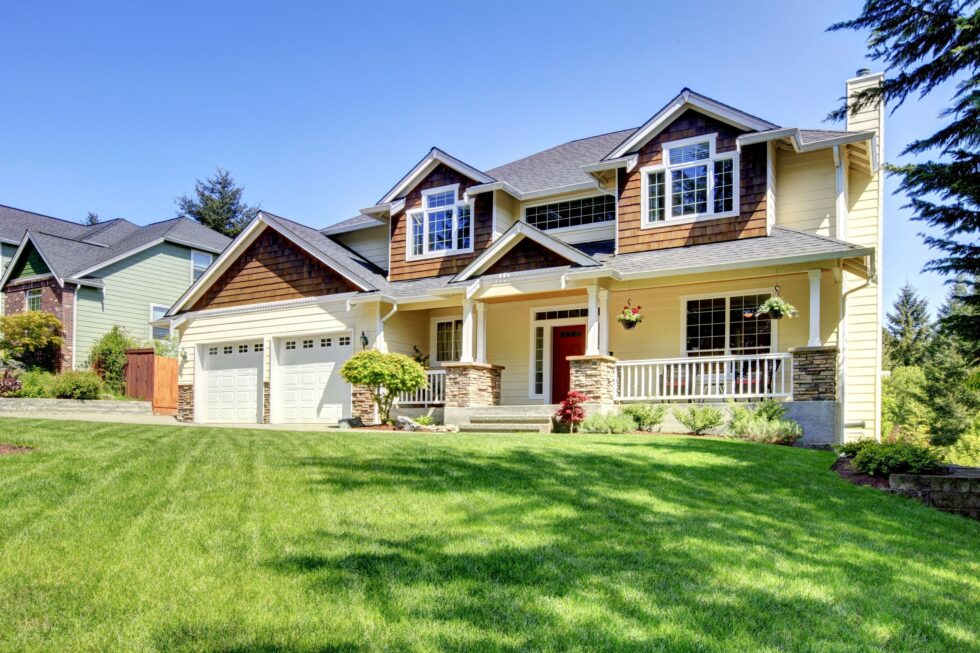
A house can look perfectly fine from the street and still have paint problems that need attention. Take an older weatherboard home. The walls may still have most of their colour, but the paint around the windows has started cracking. The front door feels rough. A few boards have exposed timber where the old coating has worn away. None of these things look like an emergency. Leave them alone for long enough, though, and the job can become much bigger.
Paint is one of the outer layers that protects many parts of a home. Once that layer starts failing, the surface underneath has less protection from rain, sunlight, and everyday wear. In Wellington, where exposed homes can take plenty of wind and wet weather, that matters. A good repaint isn’t about covering everything as quickly as possible. The condition of the surface comes first. Here are five ways professional house painters can help homeowners keep their property in better shape.
1. Preparation Gives the New Paint a Fair Chance
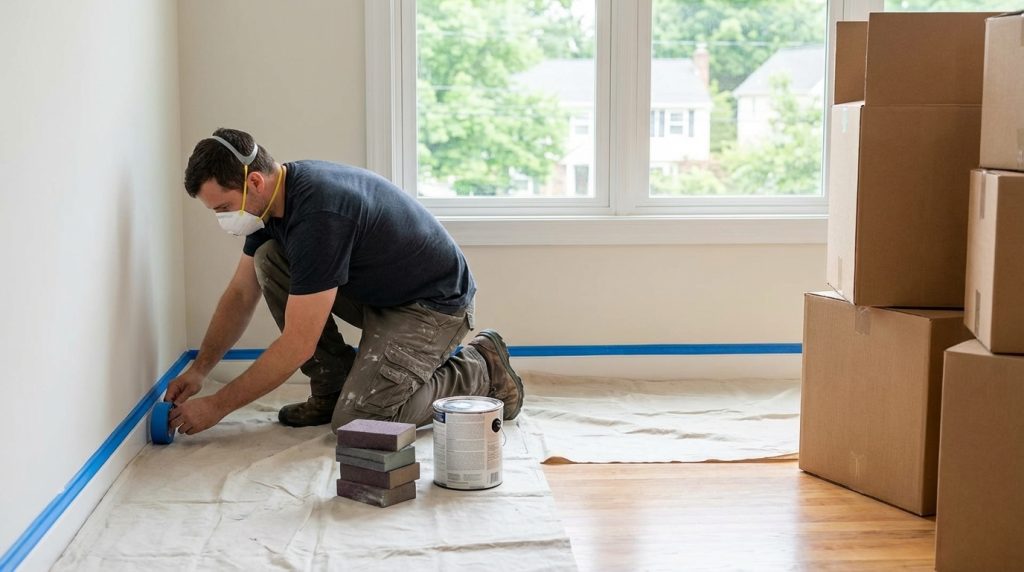
Walk up close to an old painted wall, and professional house painters will often see things that aren’t obvious from a distance. There may be hairline cracks around a window. A previous patch might sit slightly proud of the wall. Old paint may be lifting along one edge. Exterior timber might have a chalky coating that comes away on your hand. None of those surfaces is ready for a new coat just because they look reasonably clean. Loose paint needs to be removed. Dirt and grease need to come off. Rough patches need sanding. Small holes and dents may need filling. Bare sections often need the right primer.
The amount of preparation depends on what is actually there. A wall with sound paint may need much less work than an exterior surface covered in peeling layers. Treating both jobs the same way can lead to problems. The reason is simple: fresh paint doesn’t repair a weak surface underneath it. If the old coating lifts, the new coating can lift with it. If a repair hasn’t been sanded properly, the outline may still show after painting. This is why preparation can take a surprising amount of time on what looks like a straightforward repaint.
2. Exterior Paint Helps Shield Sound Surfaces From Wellington Weather

Exterior paint has a tougher job than interior paint. Outside, a coating has to deal with rain, wind, sunlight, and repeated changes in temperature. A house in an exposed position can show wear much sooner than one tucked behind other buildings. Look at the areas that take the weather first. Window sills. Door frames. Fascia. Weatherboards. Garage doors. Timber trim. These are often the places where paint starts to fail.
A good exterior coating can help protect a properly prepared surface. It can reduce direct exposure and give materials such as timber another layer of protection. There is a limit, though. Paint won’t repair rotten timber. It won’t stop a roof leak. It won’t correct damaged cladding or a failed flashing detail.
If water is getting into the building, the source needs to be dealt with first. This is one reason a proper inspection before painting is useful. It gives the homeowner a clearer picture of what actually needs doing. Sometimes the old coating can be prepared and repainted. Sometimes damaged sections need repairs before the painting starts.
3. Check the Small Gaps Around Windows and Doors

A tiny gap doesn’t look like much. It can still cause trouble if it sits in a place where water regularly reaches it.
Exterior windows and doors have several joints where different materials meet. Sealant can shrink or crack over time. Paint can split at the edges. Timber can move slightly with changes in moisture. Once a joint starts opening, water has an easier path into the surrounding area. The first sign might be a cracked paint line. Later, the timber may swell, or the coating may start lifting. This is where professional house painters can spot things that are easy to miss during a quick walk around the property.
Not every gap is a painting issue. Some need a builder, carpenter, or another specialist. The useful thing is identifying the problem before the fresh paint goes on. Painting over failed sealant is a short-term cosmetic fix. If the joint continues to move or lets moisture through, the new paint is likely to suffer too. Good preparation means knowing when to paint and when to stop and arrange another repair.
4. Doors and Trim Often Need More Attention Than the Walls
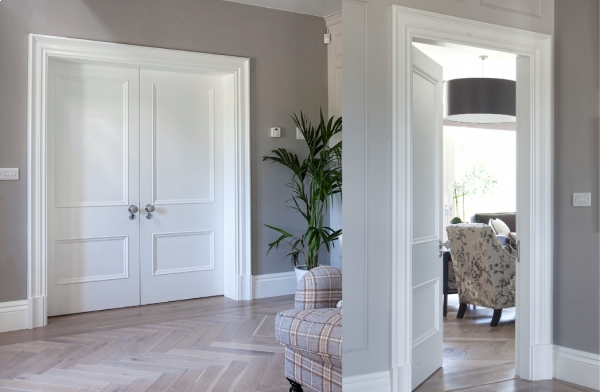
A homeowner may walk into a room and immediately think about the walls. The painter may notice the door first. Doors are handled constantly. Skirting boards get knocked by shoes and vacuum cleaners. Window trim sits close to the glass and exterior weather. Garage doors are exposed to both use and the elements. These areas can look tired even when the main walls are still in reasonable condition. They also show poor preparation quickly. A chipped door may need filling and sanding. Old timber trim can have several layers of paint around the edges. A window frame may need careful preparation because the surrounding joint is more exposed to moisture. There isn’t one finish that suits every part of a house either.
A busy interior door may need a coating that handles regular cleaning and contact. Exterior timber needs products suited to outdoor exposure. Flat wall paint isn’t automatically the right choice for every surface. Professional house painters look at how the surface is used, where it is located, and what condition it is in before deciding how to prepare it. That can make a noticeable difference to the finished job.
5. Repainting Can Bring Hidden Problems to Light

One of the useful side effects of proper preparation is that old problems become easier to see. Move a cupboard away from a wall, and there may be a watermark behind it. Scrape a peeling exterior section, and the timber underneath might be softer than expected. Sand an old repair, and it may become clear that the patch was never properly finished. These findings don’t always mean something serious is happening. Some are simply old maintenance issues. They still need to be understood before they are covered.
Water staining is a good example. If a ceiling has a brown mark, the first question shouldn’t be which white paint will cover it best. The cause needs checking. If the leak has been fixed, the stain may need the right preparation before repainting. If the leak is still active, painting is not the answer. The same principle applies outside. Paint can cover a surface. It can’t replace damaged timber or solve a moisture problem. Professional house painters know that lasting results depend on proper preparation, careful repair, and the right finish for the surface. Finding these issues during preparation gives the homeowner a chance to deal with them while access is easy.
Don’t Judge a Painting Quote by the Final Coat Alone
Two painting quotes can look very different even when they cover the same number of rooms. The reason is often preparation. One quote may include extensive scraping, sanding, filling, and priming. Another may assume the existing coating is already in good condition. That difference matters.
Suppose loose paint remains around a window. The new coating goes over it and looks fine for a while. Then the old paint starts lifting again. The fresh coating follows it. Now the homeowner has paid for painting twice. The same thing can happen with bare timber, poorly filled cracks, or surfaces that weren’t cleaned properly. When comparing quotes, ask what happens before the paint is applied. A low price isn’t much help if important preparation has been left out. Professional house painters make sure preparation is done properly before the first coat goes on.
Paint Is Part of Maintenance, Not a Cure for Everything

There is a point where professional house painters say, “This needs fixing first.” A leaking roof is one example. Rotten timber is another. So are serious moisture problems, damaged cladding, and structural cracks. Covering those issues with paint doesn’t protect the home. It only makes the problem harder to see.
The best painting work starts with an honest look at the surface. If a repair is needed, it should be dealt with before the final coating. That might add to the original plan, but it can prevent the new paint from failing because of something underneath it. This is especially relevant when painting is being done as part of wider home maintenance.
What Should Homeowners Check Before Painting?
Look closely at:
- Peeling or flaking paint
- Cracks around windows and doors
- Exposed timber
- Faded exterior coatings
- Water stains
- Failed sealant
- Soft or damaged timber
- Paint that feels chalky or powdery
- Old repairs that are still visible
- Areas that stay damp
Inside the house, pay extra attention to kitchens, bathrooms, hallways and entry areas. These places generally see more moisture, cleaning, and daily traffic than a spare bedroom. Don’t assume every mark means the whole house needs repainting. A small damaged area may only need local preparation and repainting. Widespread failure is a different matter. Getting the surface checked first can help avoid unnecessary work. A professional house painter can assess the damage and recommend the most efficient repair approach.
How Often Should Professional House Painters Repaint a House?
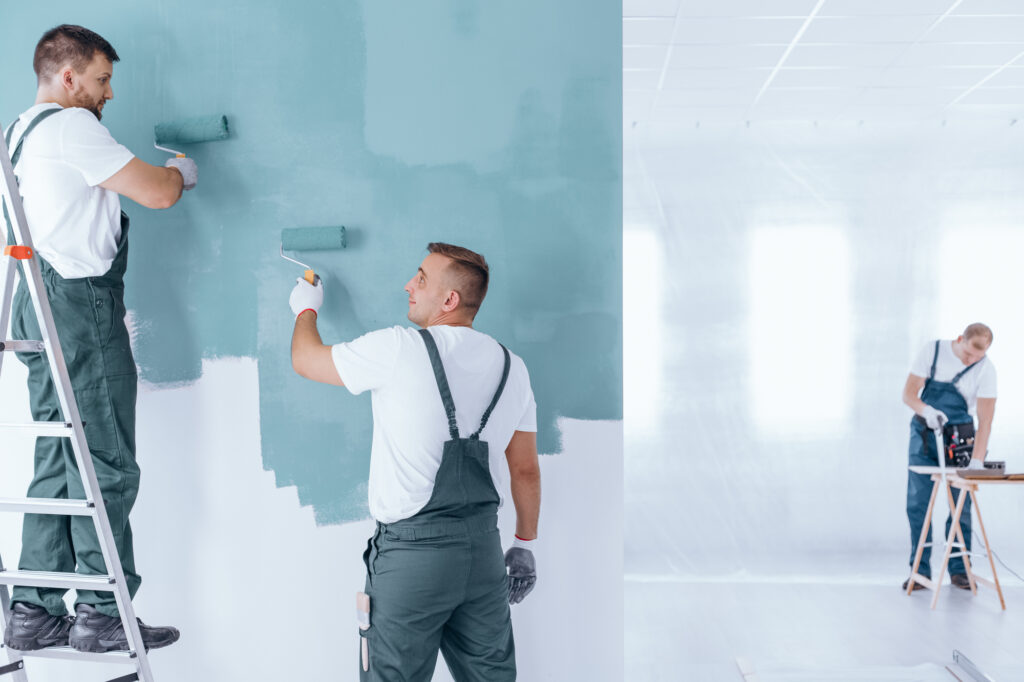
There isn’t a useful one-size-fits-all answer. The outside of a home may need attention sooner if it faces strong weather. Interior paint can last much longer in a quiet room than in a busy hallway. Professional house painters look for clues in the coating itself.
Fading is one sign. So are peeling, cracking, chalking, and exposed surfaces. If the paint is still sound and only looks a little dirty, cleaning may be enough. If the coating is failing, delaying the work can expose the material underneath. The point is to maintain the surface before the damage spreads.
FAQs
How do professional house painters help protect a home?
They prepare surfaces properly before painting and can identify visible problems that need attention first. This may include loose coatings, damaged timber, cracks, water stains, and failed sealant. Proper preparation gives the new coating a stronger base.
Can exterior paint protect a home from Wellington rain?
A suitable exterior coating can help protect a properly prepared surface from normal weather exposure. It cannot repair a leaking roof, rotten timber, or damaged cladding. Those problems need to be fixed separately.
Why does new paint sometimes peel quickly?
The old coating may have been loose, the surface may have been dirty, moisture may be present, or the surface may not have been prepared correctly. Finding the reason for the failure is important before applying another coating.
Should peeling paint always be removed?
Loose paint should normally be removed before repainting. A fresh coating needs a stable surface underneath it. Painting directly over loose sections can leave the new finish vulnerable to the same failure.
How can painting uncover property problems?
Preparation exposes areas that may have been hidden beneath old coatings. Scraping can reveal deteriorated timber, while moving furniture or sanding walls can expose old water stains or poor repairs.
Does every room need to be repainted at the same time?
No. If some rooms still have sound paint, they may not need immediate work. High-use areas or surfaces showing clear signs of failure can be dealt with first, depending on the home’s condition and the homeowner’s plans.