
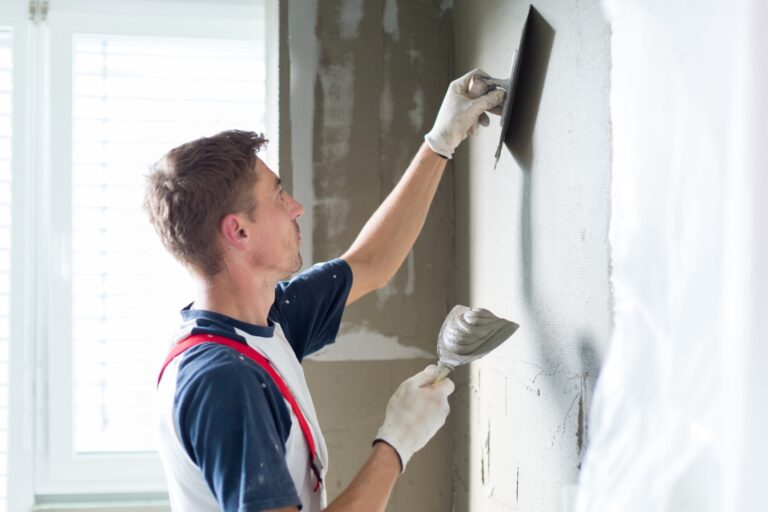
A new coat of paint can change an entire room. Painted walls are fresher looking, colors seem more vibrant, and the room looks like a new place. But there is something many Auckland homeowners discover once the painting preparation begins. The walls were not as perfect as they first appeared.
A room can look fine during everyday use. Furniture hides marks, old paint covers small repairs, and normal lighting does not always show every problem. Then the room is cleared, the walls are checked closely, and the small details start appearing. A crack beside a window. A patch from an old repair. A section of plasterboard that feels slightly uneven.
This is when many people realise the paint was never the main issue. The surface underneath needed attention first. That is why interior plastering auckland has become an important part of many renovation and repainting projects. A good paint finish depends on the condition of the wall below it.
The Wall Looked Fine Until The Preparation Started
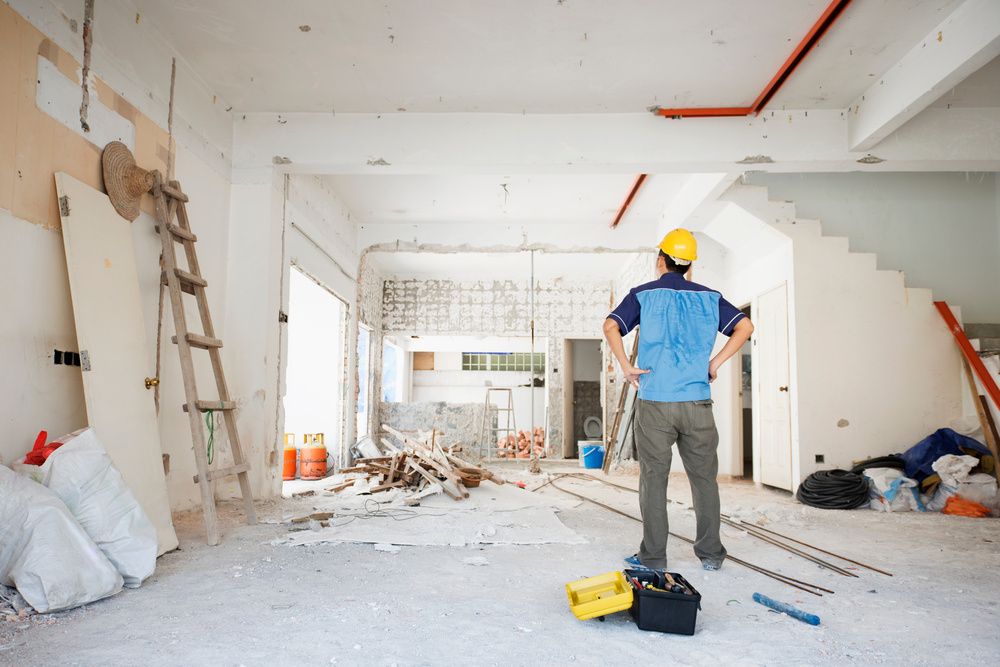
One situation painters often come across is a homeowner who has already chosen their new colour. The plans are ready. The furniture is being moved. Everything seems simple. Then preparation begins.
Old shelves are removed and leave marks behind. A previous repair becomes visible under new lighting. Small cracks that were ignored for years stand out once the walls are being prepared. This is common in both older Auckland properties and newer homes.
Houses in Auckland have larger areas of wall surfaces without interruption, too. There are no features, such as shelves or wall decorations, that may hide the minor defects on the wall. It is one of the reasons why people think about interior plastering Auckland before any painting work inside the house. Apart from fixing the visible problems, this work also helps the owner to prepare the wall surface for a proper finish.
How Newer Houses in Auckland Have Shown Signs of Problems More Quickly?
New houses feature designs that include wide open spaces, large windows, and simple internal decorations. This makes the house more spacious and brighter. They also make wall problems easier to notice. A small uneven area that was invisible in a darker room can become obvious when afternoon sunlight moves across the wall.
Many newer Auckland homes also have large plasterboard areas with fewer features to break up the surface. That means there is nowhere for imperfections to hide. This is why homeowners often look at interior plastering auckland before starting a major repaint.
The goal is not just repairing damage. It is creating a smooth base that allows the new paint to look its best.
What Painters Commonly Find Under Old Paint?
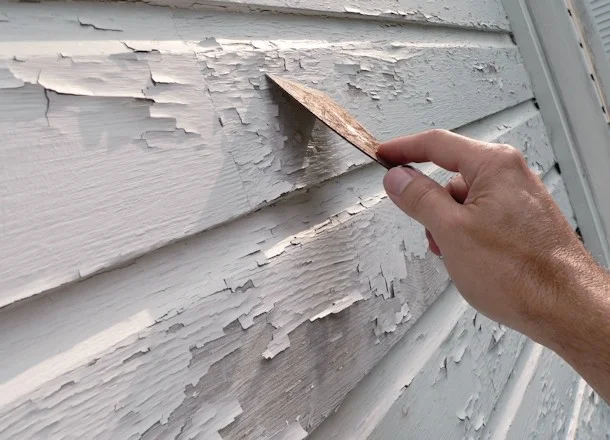
Walls often tell the story of what has happened inside a home. A previous owner might have relocated paintings, taken down fixtures, installed different lighting, or carried out renovation works.
Over time, these small changes leave behind signs. Some common issues include:
- Filled holes that were not sanded properly
- Old patch repairs
- Cracks around corners
- Uneven plaster joins
- Damaged areas from renovations
These problems may not bother anyone when the wall has the same colour for years. Once a fresh coat of paint goes on, they become much easier to see. A clean finish starts with dealing with what is already there. During repainting projects, many homeowners discover that the condition of their walls needs attention first. Professional interior plastering auckland can help repair uneven surfaces and prepare walls before a fresh coat of paint is applied.
Not Every Crack Means The Same Thing
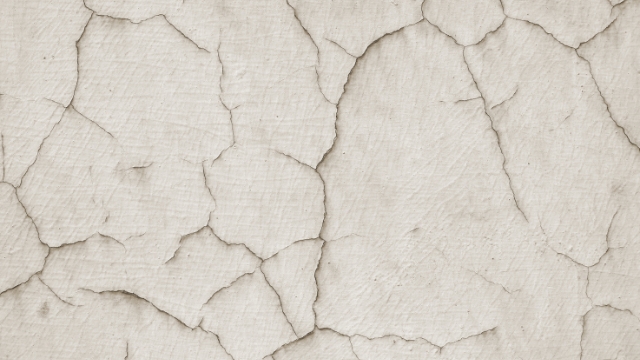
A crack on an interior wall can make homeowners concerned. The first question is usually:
“Is this something serious?”
It really depends on the kind of crack. Hairline cracks can be found in many homes. They can happen as materials move over time. Cracks near windows, doors, and ceiling joins are also common because these areas experience more movement.
A wider crack that keeps growing or appears with other signs of damage needs closer attention. The important part is not just filling the crack. It is understanding why it appeared.
Why Windows And Doors Are Common Problem Areas?
If you walk through a home and look carefully, some areas need more attention than others. Two places in particular that commonly suffer from plaster problems are window corners and door frames. This is because they connect various parts of the house and may experience more movement over time.
Painters usually check:
- Corners
- Window edges
- Door frames
- Ceiling lines
- Areas around switches and fittings
A small repair in these areas can make a big difference after painting. Without proper preparation, the same marks may appear again.
Auckland Moisture Can Affect Interior Walls Too
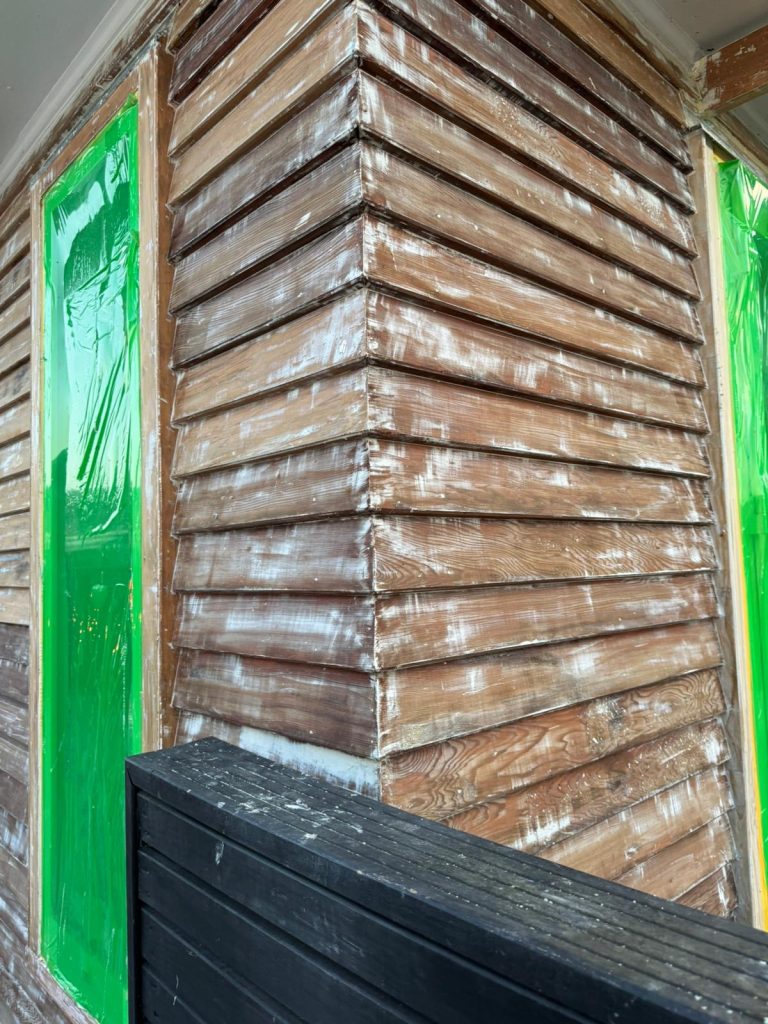
Many homeowners think moisture problems only happen outside the house. Interior walls can also be affected. Auckland’s damp climate means some homes deal with moisture from:
- Poor ventilation
- Bathroom steam
- Condensation
- Small leaks
Over time, this can damage plasterboard and affect paint finishes.
Signs can include:
- Bubbling paint
- Soft wall sections
- Peeling areas
- Dark marks
Painting over these problems usually does not solve the cause. Moisture problems should first be taken care of before doing any plaster repairs or painting.
Why Painting Over Damaged Plaster Ends In Disappointment?
Repainting your space quickly will make it look better, but it will not fix cracked walls. This is something many homeowners learn after trying to hide cracks with paint.
The wall may look better for a short time. Then the crack returns. The reason is simple.
Paint changes the appearance of the surface. This will not repair the structure below. Preparation is required for those parts that are damaged before painting. This preparation ensures that the finishing is clean and more durable. This is why interior plastering auckland is often completed before painting work starts.
The Step Before Painting That Changes The Final Look
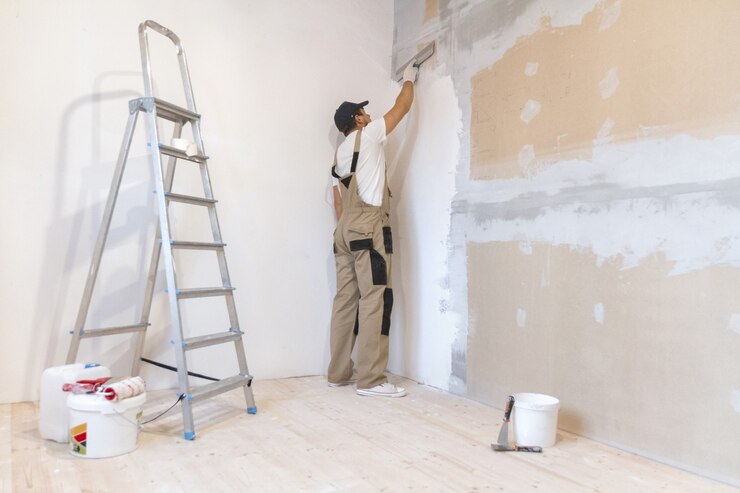
Choosing the right paint colour matters. But the quality of the wall preparation may determine how well the whole thing turns out.
Professional interior plastering Auckland services can involve activities like fixing cracked areas, patching up damaged plasterboard, filling in uneven patches, and surface preparation for painting.
This preparation helps prevent:
- Visible repair marks
- Uneven paint coverage
- Rough patches
- Different textures showing through
Preparation of the wall will give the paint a better surface to adhere to.
What Happens During A Proper Plaster Repair?
Plaster repairs are not just about filling in a crack. There is much preparation involved before that stage can occur.
A typical repair may involve:
- Removing loose material
- Preparing the surface
- Applying repair material
- Smoothing the area
- Sand before painting
The repaired area should merge with the rest of the wall. A quick fix may create a patch that becomes obvious once paint is applied. This is why preparation skills matter.
Why Homeowners Repair Walls Before Renovating Or Selling?
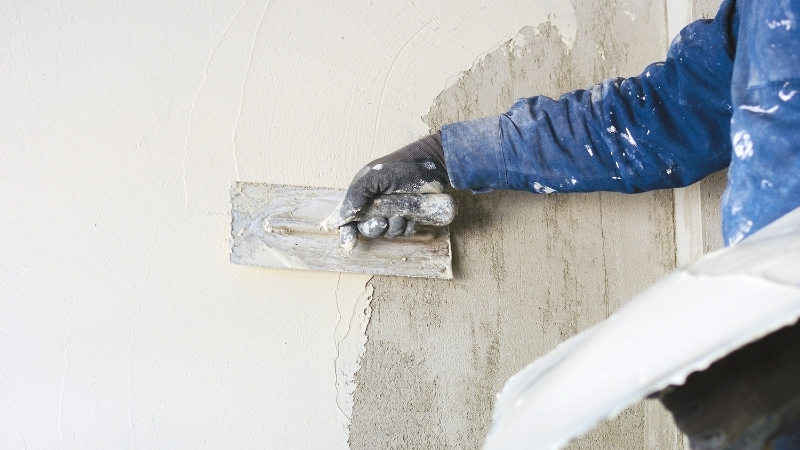
Wall condition affects how a home feels. While having the house view, the smallest details catch the eyes of people. If there are any cracks or signs of repairs in the walls, it makes the room appear less maintained, despite the other parts of the house being in great condition.
Many homeowners choose interior plastering auckland before:
- Selling their property
- Updating older rooms
- Changing colours
- Completing renovation work
The smoother the walls look, the better the whole room looks.
Preparing Walls Before The Paint
The best time to find plaster problems is before painting starts. A closer inspection can reveal issues that are easy to miss during normal daily life.
RNF Construction works with Auckland homeowners on building, plastering, and painting projects where surface preparation is an important part of the final result. Repairing wall problems before repainting helps create a cleaner finish and avoids small issues becoming noticeable after the work is complete.
FAQs
My wall has a crack in it. Is interior plastering necessary for me?
It doesn’t mean that all cracks require major repairs. Cracks are common in many houses, but the size, location, and condition may decide if interior plastering auckland needs to be done.
Should I cover cracked plaster with paint?
Yes, you can do that, but the issue will arise again. Painting only hides any damages temporarily, without repairing it.
When should I consider interior plastering auckland?
You may need interior plastering auckland when walls have cracks, uneven areas, damaged sections, or old repairs that become visible before repainting.
Is plaster repair needed before interior painting?
Yes, in most cases. Fixing the wall makes it smooth and makes it easier to paint.
Can there be any effect of moisture on the plastered wall?
Yes. Moisture over a period of time will spoil the paint and wall surface.
Are plastering jobs required for new houses in Auckland?
Yes. New houses may experience minor cracking due to settling of materials. These will require plastering to keep up with regular maintenance of the house.
Is it necessary to have your plastering fixed before selling?
It is important for many homeowners to fix their wall issues in order to present their property well.