
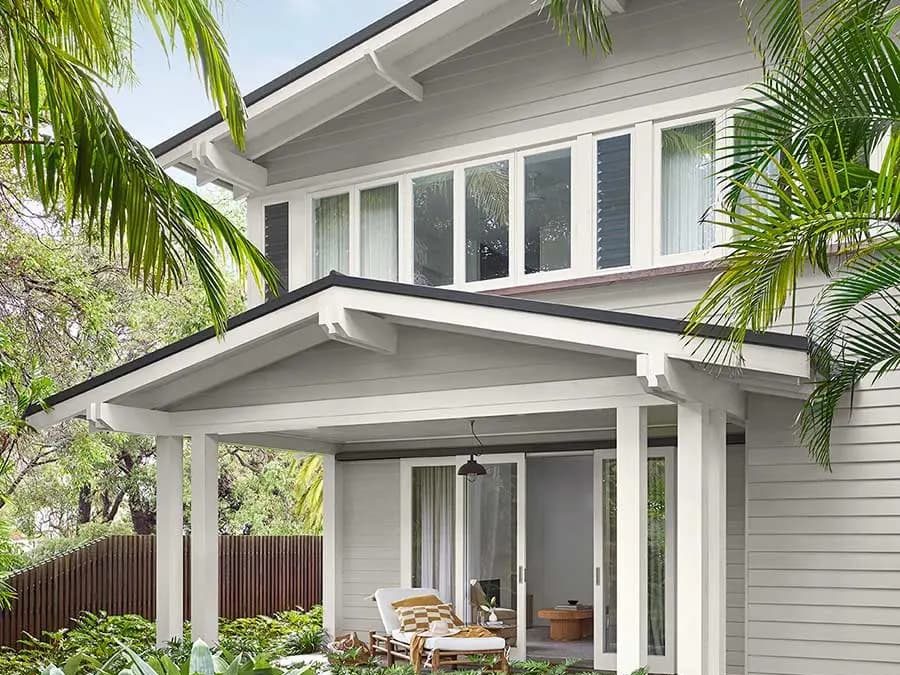
Home painters Wellington can help sellers decide which painted areas need attention before a property goes on the market. Selling a home doesn’t mean every painted surface needs to be redone. Some walls may still be in good condition.
A spare bedroom might only need cleaning. The kitchen cabinets may look dated but still have a sound surface underneath. Other areas deserve attention. Peeling paint around a window, a badly marked hallway, or a faded front door can make a well-maintained property look tired. If there are cracks, water stains, or damaged timber, those issues need to be dealt with before anyone thinks about applying fresh paint. The aim of a pre-sale repaint should be simple: make the home look cared for while dealing honestly with the condition of the property.
For sellers, that means spending money where maintenance is needed rather than repainting every surface simply because the house is going on the market.
Start With the Areas That Need Attention
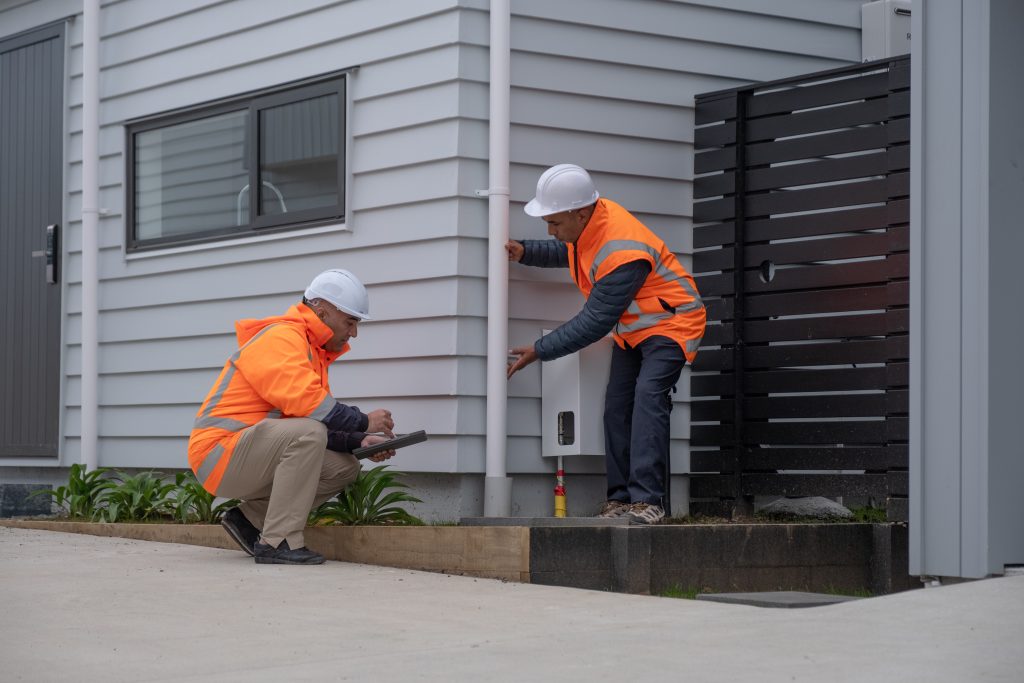
A useful first step is to walk through the property as if it were being inspected for maintenance. Look at the entrance. Check the hallway. Walk through the living room and kitchen. Look closely at doors, skirting boards, window trim, and other surfaces that receive regular use. You may find that some areas are perfectly fine.
Others may have:
- Scuffed or dirty walls
- Peeling paint
- Cracked or damaged surfaces
- Faded exterior coatings
- Old patch repairs
- Chipped doors and trim
- Stained ceilings
- Exposed timber
These problems don’t all require the same treatment. A marked wall might only need cleaning. A damaged wall may need filling and sanding. Peeling exterior paint needs proper preparation, while a water stain needs investigation before it is painted. This is where home painters Wellington can help determine what needs painting and what needs repair first. The result should be a better-maintained home, not a property where problems have simply been covered.
1. Give the Front Door and Entrance Some Attention
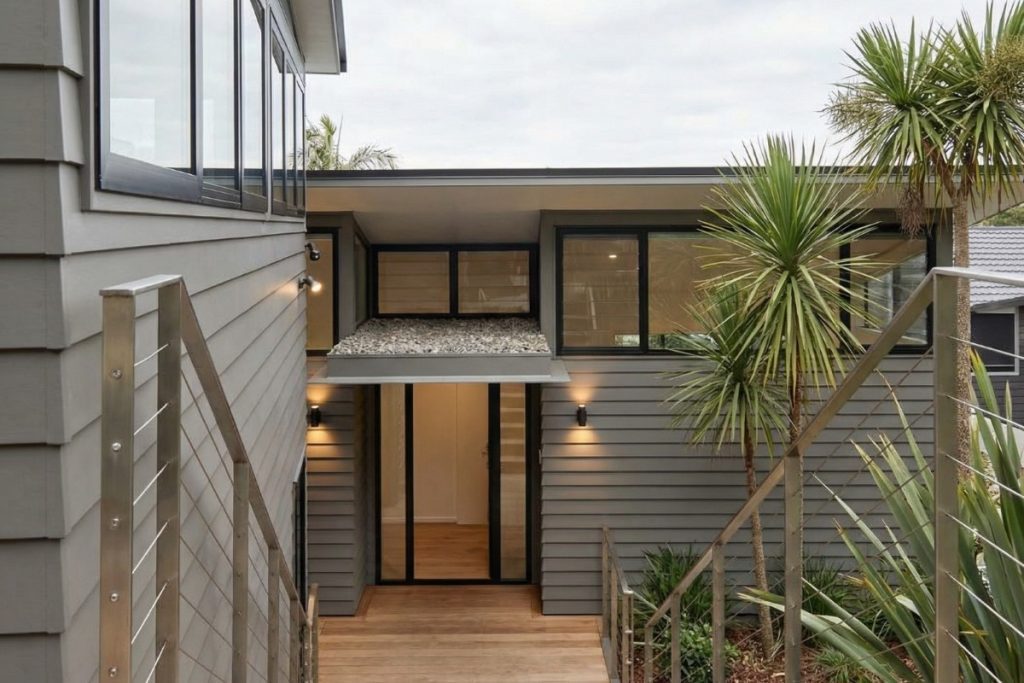
The front entrance is one of the first parts of a property people see. It also takes plenty of wear. The front door gets opened constantly. Handles leave marks. Edges get knocked. Exterior doors are exposed to rain and sunlight, which can gradually affect the coating. A faded or chipped door can therefore make the entrance look tired.
A repaint can help, but preparation comes first. The surface should be cleaned and checked for peeling or damaged paint. Rough sections may need sanding, while dents and other defects may need attention before the new coating is applied.
Colour is worth considering too. The door doesn’t need to be a dramatic feature. A clean, well-chosen colour that works with the exterior can be enough. If the surrounding weatherboards and trim are already in good condition, repainting the door alone may be all that is required. This is one example of how Home Painters Wellington can help sellers focus their budget instead of automatically recommending a full exterior repaint.
2. Focus on Walls That Actually Need Repainting
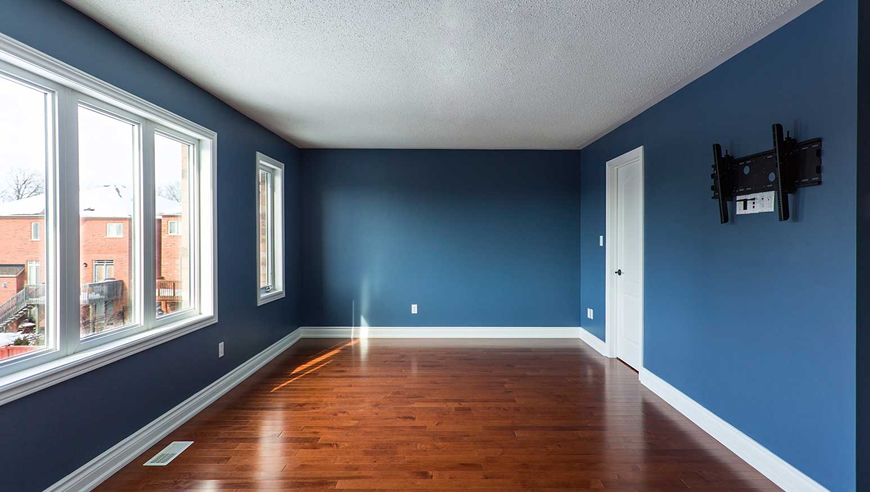
Not every wall needs a new colour. If a bedroom has clean, sound paint with only minor wear, repainting it may not be a priority. A hallway with years of scuff marks is a different matter. High-use areas often show the most wear. Hallways, staircases, living rooms, and open-plan spaces deserve a close look. Walls around light switches and doors can also become marked over time.
Colour can be updated where the existing shade looks dated, but the condition of the surface should come first. Soft whites, light greiges, and restrained beige tones can work well when a seller wants a simple finish that suits different furniture styles. The choice should still take the home’s flooring, cabinetry, and fixed finishes into account. There’s no need to chase the latest colour trend.
A pre-sale repaint should leave the home looking clean and well-maintained rather than heavily styled for a particular buyer. If you are looking for home painters Wellington, choose a team that understands how to prepare homes for sale and deliver a neat, consistent finish.
3. Kitchen Cabinet Painting Can Be a Practical Alternative

A kitchen can make a property feel older than it really is. That doesn’t mean the whole kitchen needs replacing. If the cabinets are structurally sound, repainting them may provide a substantial visual update without removing the existing cabinetry. The preparation is more involved than painting an ordinary wall.
Kitchen cabinets collect grease, cooking residue, and dust. They need proper cleaning and degreasing before the surface is prepared. Depending on the existing finish, sanding and primer may also be required. The application method needs consideration as well. Spraying can produce a smooth finish on suitable cabinet doors, while brushing may be appropriate for some parts of the job. The condition and material of the cabinets should guide the approach. Handles and other hardware can also affect the final appearance.
A fresh cabinet colour beside worn handles can leave the kitchen looking half-finished. Replacing hardware may be worthwhile when the existing pieces are dated or damaged. The important point is not to paint cabinets simply to make an old kitchen look newer than it is. If the cabinetry is damaged, swollen from moisture, or otherwise failing, painting isn’t a substitute for replacement or repair.
4. Prioritise Maintenance Instead of Repainting Everything

A pre-sale budget can disappear quickly when every room is added to the painting list. That is not always necessary. A spare bedroom with clean walls may be fine as it is. A storage room may need no work at all. A living room with peeling paint needs considerably more attention.
Prioritising does not mean ignoring defects. It means separating surfaces that need maintenance from surfaces that are already performing well. This can be particularly useful for property investors and homeowners in Wellington working with a fixed budget.
Money might be better spent repairing damaged trim and repainting a marked hallway than putting another coat over a bedroom wall that still looks good. Home painters Wellington can help identify those differences before the work starts. A professional assessment can help identify those differences before the work starts.
5. Townhouses Often Benefit From Consistent Paint Choices
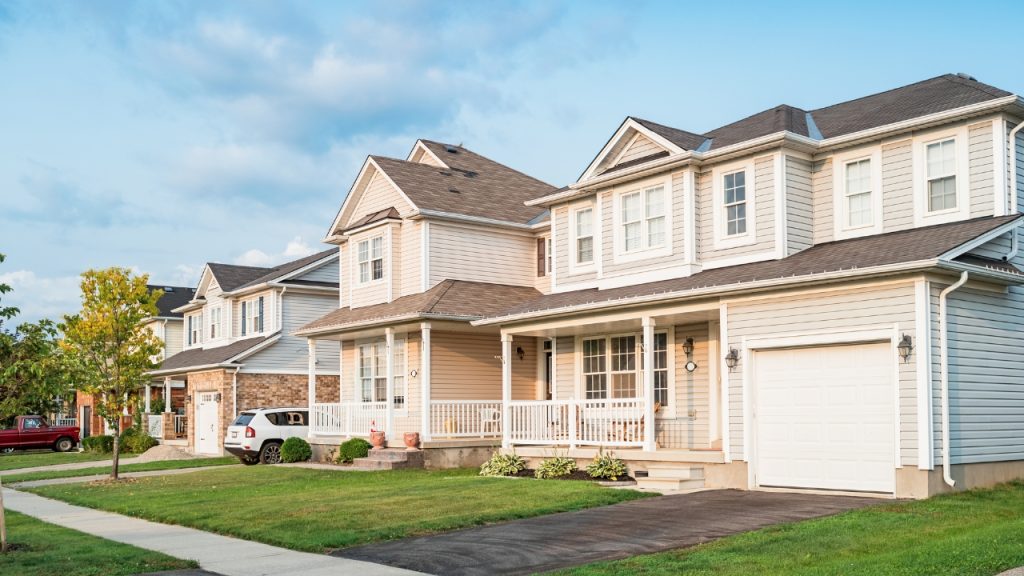
Townhouses can have compact layouts where several areas flow directly into one another. A hallway may open into the living room. The kitchen may sit within the same open-plan space. Stairs can be visible from multiple rooms. Too many unrelated paint colours can make these areas feel disconnected.
A consistent colour scheme can create a more settled appearance without requiring every surface to be identical. The same applies to trim and doors. Keeping related finishes across connected areas can help the property feel properly maintained.
Townhouses also present practical painting issues. Furniture may be harder to move in narrow rooms. Staircases can require extra protection. Shared or closely positioned exterior areas may affect access. These details should be considered when planning professional painting services before the property is listed. Home painters Wellington can help ensure the finish feels cohesive, practical, and well maintained.
6. Older Wellington Villas Need Careful Surface Checks
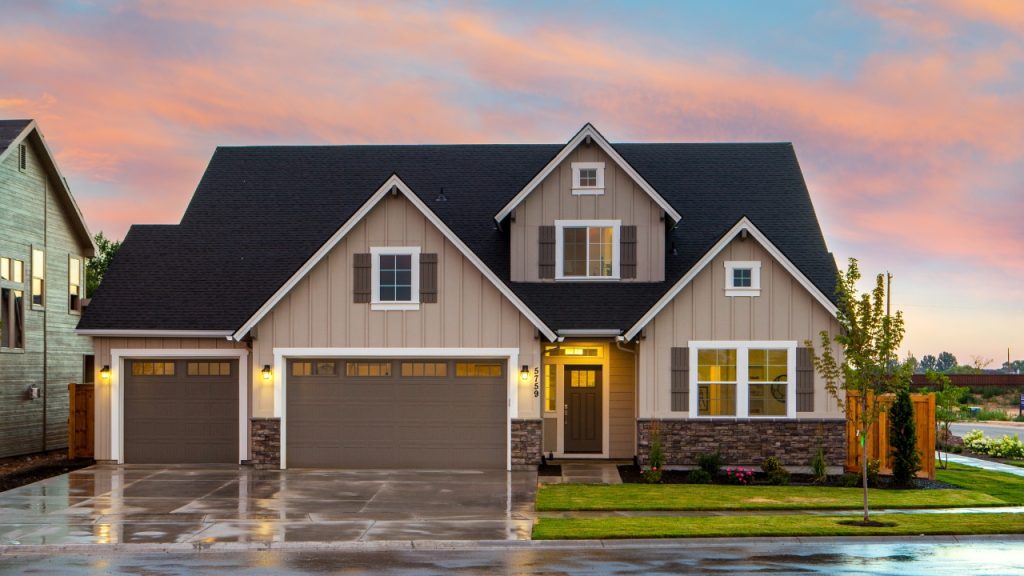
Wellington’s older villas have features that shouldn’t automatically be painted over without thought. Original timber trim, weatherboards, doors, and other details can be part of the home’s character. At the same time, these surfaces can show years of weather and previous maintenance. Look at the window trim first.
Peeling paint, exposed timber, and failed joints may need attention. The front door can have similar problems. Inside, old patch repairs on plaster walls may stand out after a fresh coat if they haven’t been properly prepared. The goal isn’t to erase the age of the house. It’s to bring tired surfaces back into reasonable condition.
Home painters Wellington working on older homes should check the existing coating and surface before deciding how much preparation is needed. A villa doesn’t need to look like a newly built house to present well. It needs to look maintained.
What Professional Painting Services Should Include
A proper pre-sale painting job starts before the paint is opened. The painter should inspect the surfaces and identify preparation work.
Depending on the condition, that may include:
- Cleaning
- Scraping loose paint
- Sanding
- Filling small holes and dents
- Repairing minor surface defects
- Priming bare or repaired areas
- Protecting floors and furniture
- Applying the required coats
- Checking the finished work
The scope should be clear before work begins. A homeowner should know which rooms and surfaces are included, what preparation is covered, and which repairs are outside the painting quote. This matters because a damaged wall can take considerably longer to prepare than a wall that is in good condition. Professional painting services should also include sensible protection of the property during the work and proper clean-up afterwards.
What House Painters Wellington NZ Should Check Before Quoting
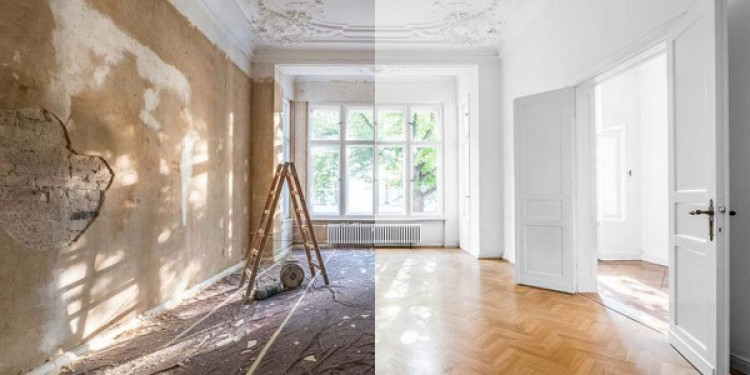
A room count isn’t enough to produce a useful painting estimate. The condition of the property matters just as much.
Before accepting a quote, homeowners should ask house painters Wellington NZ to consider:
- Wall and ceiling condition
- Existing paint type and condition
- Cracks and dents
- Peeling or loose coatings
- Doors and skirting boards
- Kitchen cabinets
- Exterior surfaces
- Areas requiring primer
- Furniture and access
- Number of coats required
- Repairs needed before painting
This gives the homeowner a better idea of where the money is going. It can also prevent a common problem with pre-sale work: discovering halfway through the job that several surfaces need much more preparation than expected. A detailed quote should make those expectations clear.
Check for Problems Before the Paint Goes On
This is particularly important when preparing a property for sale. A brown mark on a ceiling shouldn’t simply be covered because the photographer is coming next week. Find out why it’s there. Likewise, soft timber around a window shouldn’t be painted simply because the rest of the exterior is being refreshed.
Paint can improve the appearance of a sound surface. It can’t repair the material underneath it. If a roof leak, moisture issue, damaged plaster, or rotten timber is found, the appropriate repair should come first. This protects the homeowner as well as the buyer. A property should be presented honestly. Fresh paint should improve its condition and appearance, not conceal something that needs to be disclosed or repaired.
The 48-Hour Pre-Listing Paint Check
Once the painting and repairs are finished, take another walk through the property before the photographer arrives. Don’t just stand in the middle of each room. Look at the details.
- Check the front door. Look along the skirting boards. Inspect the edges around switches, doors, and windows. Look at the kitchen cabinets from different angles.
- Make sure there are no obvious paint splashes on hardware or flooring.
- Check repaired areas too. They shouldn’t stand out because of a different texture or uneven coverage.
- Outside, look at the entrance and any exterior surfaces that are clearly visible from the street.
For home painters Wellington, this final pass is especially important because the finish needs to look clean in natural light and on camera. A careful inspection helps confirm the work has been completed to a professional standard. This final check is less about making the house look perfect and more about making sure the work has been finished properly.
Where Should Sellers Spend Their Painting Budget?

A sensible pre-sale painting plan doesn’t start with the question, “What can be repainted?” It starts with, “What needs attention?” That might be the front door. It could be the hallway. Maybe the kitchen cabinets are sound but badly dated. Perhaps the main issue is peeling exterior paint or damaged window trim.
Every property is different. The best use of the budget is usually the work that addresses genuine maintenance needs while improving the presentation of the spaces buyers are likely to see. Home painters Wellington can assess the existing paintwork, explain what preparation is needed, and help homeowners decide which areas should be dealt with before listing. The result should be straightforward: a property that looks clean, maintained, and honestly presented.
Take the next step by consulting professional painters who understand the local market. Their expertise ensures your home looks its best, maximising its potential for selling success. Don’t miss the opportunity to make your home stand out and secure the best possible return on your investment.
Pre-Sale Painting Costs
Pre-sale painting costs in Wellington depend on the size of the area, surface condition, and preparation required. The figures below are rough average ranges in NZD and should be used as a budgeting guide rather than a fixed quote.
| Painting Job | Average Cost (NZD) |
|---|---|
| Front door | $300–$700 |
| Single room | $700–$1,500 |
| Hallway | $500–$1,200 |
| Living room | $900–$1,800 |
| Kitchen cabinets | $2,000–$5,000 |
| Doors and trim | $800–$2,000 |
| Exterior trim | $1,500–$4,000 |
| Whole-home interior | $6,000–$12,000+ |
| Full interior and exterior repaint | $12,000–$25,000+ |
Actual costs can be higher when walls need extensive repairs, old paint needs removing, or exterior surfaces are difficult to access. For a pre-sale job, getting a detailed quote helps sellers decide which areas need attention and which can be left as they are.
FAQs
Should I repaint my entire house before selling?
Not necessarily. If some rooms have clean, sound paint, there may be little benefit in repainting them. Focus first on surfaces that are damaged, heavily marked, faded, or visibly dated. This can keep the painting budget under control without ignoring maintenance.
Is painting kitchen cabinets worth doing before a sale?
It can be worthwhile when the cabinets are structurally sound but look dated. Proper preparation and a suitable coating can change their appearance considerably. If the cabinets have major moisture damage or structural problems, painting alone isn’t the right solution.
Should sellers use neutral colours?
Neutral colours can make it easier for buyers to picture their own furniture in the space, but there is no requirement to make every room white. Soft whites, muted neutrals, and restrained greige shades can work well when they suit the existing flooring and fixed features.
Can peeling paint simply be covered with new paint?
No. Loose or failing paint needs proper preparation before repainting. If moisture or another problem is causing the paint to fail, that issue should be dealt with first.
What should I ask before hiring a painting company?
Ask what preparation is included, which surfaces will be painted, whether primer is required, how many coats are planned, and what protection and clean-up are included. Also ask which repairs are outside the painting quote.
Is exterior painting necessary before selling?
It depends on the condition. If the exterior is sound and presentable, a full repaint may not be needed. Peeling paint, exposed timber, damaged trim, or a badly faded entrance may justify targeted exterior work.
Can painting hide problems in a property?
It can if it is used improperly, which is why it shouldn’t be. Water stains, damaged timber, serious cracks, and moisture problems should be investigated before painting. A fresh coating should be used to maintain and improve sound surfaces, not conceal defects.
How far in advance should painting be completed before listing?
Allow enough time for the paint to cure, the rooms to be cleaned, and any final touch-ups to be completed before photography and viewings. The exact timeframe depends on the size of the property, surface preparation, and the amount of work involved.