
Plaster house exterior problems can become more noticeable when the weather changes. Small cracks, damaged surfaces, peeling paint and moisture can all affect the appearance and condition of an exterior wall. If these problems are ignored, a small repair can eventually become a much larger project.
For Auckland homeowners, checking exterior plaster before winter is a smart way to protect the property. Auckland weather can bring rain, wind and changing temperatures, which can put additional stress on already damaged surfaces.
The good news is that many exterior problems can be identified early. A proper inspection can help you understand whether you need a small plaster repair, repainting, or more extensive exterior work.
Why Check Your Plaster House Exterior Before Winter?
Exterior walls are constantly exposed to the weather. Over time, moisture, sunlight, wind and temperature changes can affect plaster and the protective coating over the surface.
A small crack may not seem important at first. However, if water gets behind the damaged area, the problem can become more serious. Paint can begin to peel, plaster can deteriorate and moisture can affect nearby materials.
Checking the exterior before winter gives homeowners a chance to find these issues while they are still manageable.
It is also important to understand that not every crack means the entire wall needs to be replaced. The correct repair depends on the size, location and cause of the damage.
7 Smart Checks for a Plaster House Exterior
1. Look for Cracks in the Exterior Plaster
Cracks are one of the first things homeowners should check when inspecting an exterior plaster surface. Some cracks may only affect the surface coating, while others can indicate movement or moisture-related problems.
Walk around the property and inspect walls from different angles. Look closely around windows, doors, corners and areas where different materials meet.
Pay particular attention to:
- Fine hairline cracks
- Wider cracks
- Cracks around windows and doors
- Cracks near corners
- Areas where plaster looks loose or damaged
If you notice several cracks appearing in the same area, it is worth getting professional advice before simply filling and painting them.
2. Check for Moisture and Water Damage
Moisture is one of the biggest concerns when inspecting an exterior plaster surface. Water can enter through damaged coatings, cracks, joints and poorly maintained areas.
Look for staining, discolouration, bubbling paint or areas that appear different from the surrounding wall.
You should also inspect areas around gutters, downpipes, windows and roof edges. These locations can experience more exposure to rainwater.
If moisture is entering the wall, painting over the visible damage will not solve the underlying problem. The source of the moisture should be identified and addressed first.
3. Inspect Peeling or Bubbling Paint
Peeling or bubbling paint can make an exterior look tired, but it may also indicate an issue underneath the paint.
Paint can fail because of age, poor surface preparation, moisture or unsuitable coating systems. Before repainting, the existing surface should be inspected carefully.
A professional painting team can determine whether the surface needs cleaning, scraping, sanding, patching, sealing or plaster repair before a new coating is applied.
This is why preparation is such an important part of exterior painting. A new coat of paint cannot permanently hide a damaged or poorly prepared surface.
4. Check for Damaged or Loose Plaster
Another important check is the condition of the plaster itself. Some areas may appear normal from a distance but show signs of damage when inspected closely.
Look for areas that are cracked, chipped, loose, uneven or visibly deteriorated. Damaged sections may need to be removed and repaired before painting.
The size of the repair can vary significantly depending on the condition of the wall. A small damaged section may require a simple patch, while extensive deterioration may require more preparation.
If you are unsure whether the surface needs plaster repair or only repainting, a professional inspection can help you choose the right approach.
5. Inspect Around Windows and Doors
Windows and doors are important areas to inspect because they connect different parts of the building envelope. Cracks or damaged finishes around these areas should not be ignored.
Check the plaster around window frames, door frames and corners. Look for cracking, gaps, staining or damaged paint.
If you find damage around a window or door, it is important to understand why it has appeared before completing a cosmetic repair.
6. Check the Surface Before Repainting
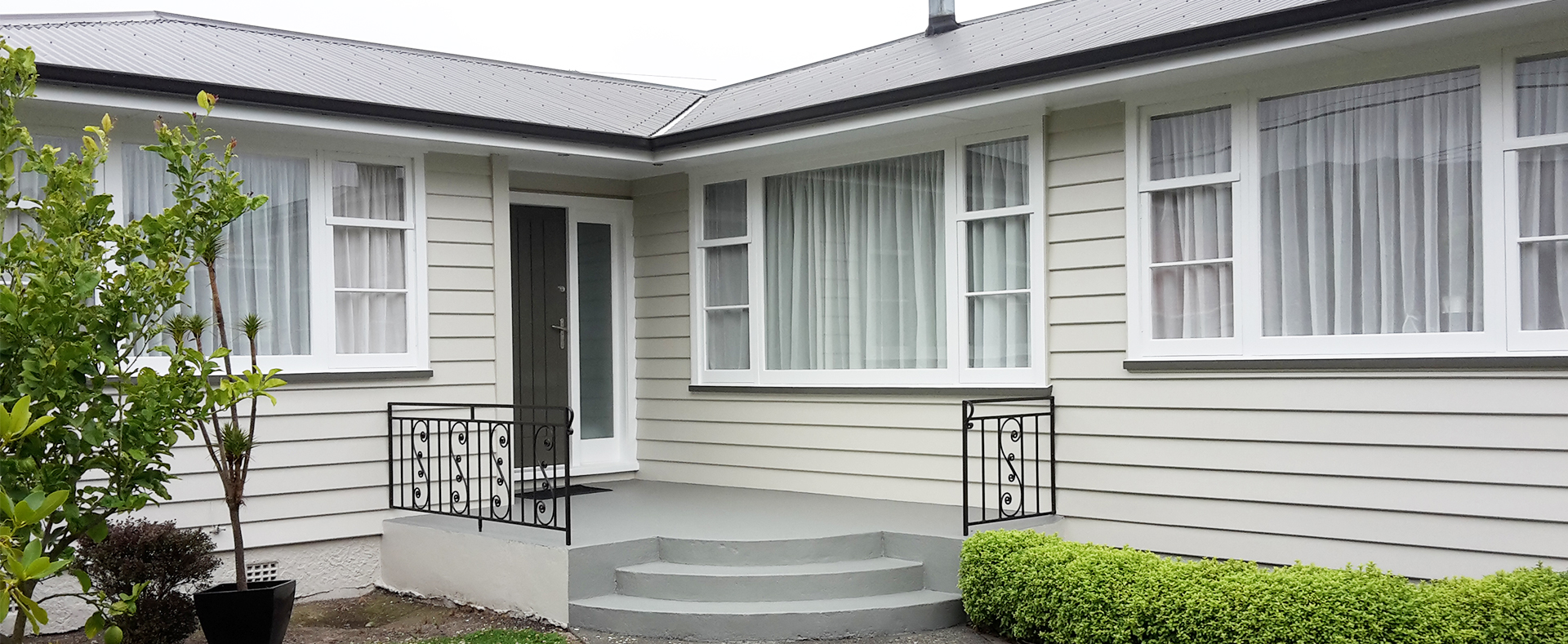
If your plaster house exterior needs a fresh coat of paint, preparation should come before paint selection.
The surface may need cleaning, scraping, sanding, filling and priming depending on its condition. Any loose material should be dealt with before applying a new coating.
Choosing the right exterior coating is also important. Products should be suitable for the surface and the conditions the property will experience.
You can learn more about paint products and surface preparation from Resene and Dulux New Zealand.
7. Decide Whether You Need Plaster Repair or Painting
One of the most important decisions is understanding whether your property needs plaster repair, painting, or both.
If the plaster is sound but the paint is faded or peeling, an exterior painting project may be enough after proper preparation.
If the plaster itself is damaged, repairing the surface should come before painting.
For properties with several visible problems, combining repair and painting can provide a more consistent result and help restore the overall appearance of the exterior.
Common Causes of Exterior Plaster Damage
Understanding why exterior plaster becomes damaged can help homeowners decide what needs to be checked and maintained.
Weather Exposure
Rain, wind and sunlight can gradually affect exterior finishes. Older coatings may become less effective over time, leaving the underlying surface more exposed.
Poor Surface Preparation
If a previous painting project did not include proper cleaning, preparation or repairs, the new coating may not perform as expected.
Moisture Problems
Persistent moisture can contribute to staining, peeling paint and deterioration. Finding the source of moisture is often more important than simply repairing the visible damage.
Age and General Wear
Exterior surfaces naturally become worn over time. Older properties may require more preparation before they can be repainted.
Plaster Repair Before Exterior Painting
Painting over damaged plaster is rarely the best long-term solution. If cracks or damaged sections are visible, they should be assessed and repaired before painting.
The repair process can include removing loose material, cleaning the affected area, filling cracks, smoothing the surface and preparing it for a suitable coating.
The exact approach depends on the type and condition of the surface. This is why professional assessment can be useful when the damage is more than a simple cosmetic issue.
For homeowners who also need painting work, RNF Construction can help with painting and construction services.
Why Exterior Preparation Matters
Preparation is one of the most important stages of an exterior painting project. Even high-quality paint cannot compensate for a surface that has not been properly prepared.
Depending on the condition of the property, preparation may include:
- Cleaning the exterior
- Removing loose paint
- Repairing cracks
- Repairing damaged plaster
- Sanding rough areas
- Priming suitable surfaces
- Protecting nearby windows, doors and landscaping
Taking time to prepare the surface can help create a smoother and more consistent finish.
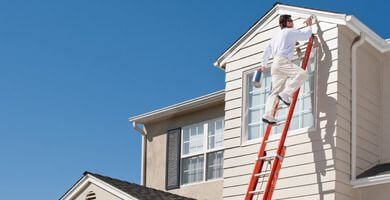
Should You Repair or Replace Exterior Plaster?
Not every damaged plaster surface needs complete replacement. The correct option depends on the extent and cause of the damage.
Minor cracks or isolated damaged areas may be suitable for repair. Larger areas with significant deterioration may require a more detailed assessment.
A professional can inspect the surface and explain what work is necessary. This can help homeowners avoid paying for unnecessary work while also making sure serious problems are not ignored.
How Painting Can Improve an Older Exterior
Once repairs and preparation are complete, a new exterior coating can make a significant difference to the appearance of a property.
A well-planned painting project can refresh faded surfaces, improve the overall appearance of the home and give repaired areas a consistent finish.
Colour selection also matters. Light and neutral colours can create a clean appearance, while darker colours can create a stronger visual statement. The best option depends on the existing property, surrounding environment and homeowner preferences.
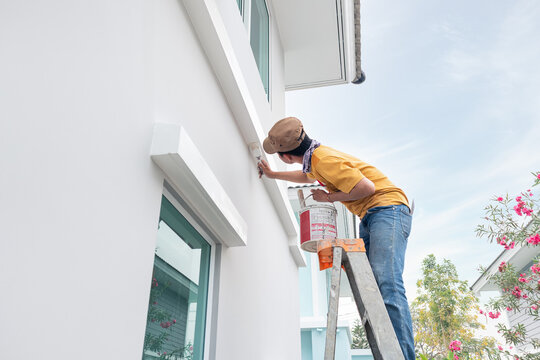
Plaster House Exterior Maintenance Tips
Once the repair and painting work is complete, regular inspections can help you identify new problems early.
- Inspect exterior walls regularly
- Keep gutters and downpipes maintained
- Look for new cracks after periods of heavy weather
- Check areas around windows and doors
- Repair damaged paint before the surface deteriorates further
- Keep exterior surfaces clean where appropriate
Early maintenance is usually easier than dealing with a larger problem after months of exposure.
When to Call Professional Exterior Painters
Some homeowners are comfortable handling small cosmetic repairs themselves. However, larger cracks, extensive plaster damage, recurring moisture or widespread peeling paint may require professional attention.
Professional exterior painters can assess the condition of the surface, prepare the area and apply the appropriate coating system.
If you are planning a larger project, it can also be useful to compare the repair and painting requirements before deciding on a budget.
RNF Construction provides residential painting and related exterior services for property owners looking to improve and maintain their homes.
Plaster House Exterior: Final Checklist
Before winter arrives, walk around your property and check the exterior carefully.
- Are there new cracks?
- Is any plaster loose or damaged?
- Is paint peeling or bubbling?
- Are there signs of moisture or staining?
- Are window and door areas in good condition?
- Do gutters and downpipes appear to be working correctly?
- Does the exterior need repair before repainting?
If you find several issues, getting an assessment before winter can help you plan the work properly instead of waiting until the damage becomes more difficult to repair.
Frequently Asked Questions
How often should I inspect my plaster house exterior?
It is a good idea to visually inspect exterior walls regularly, particularly before and after periods of heavy weather. Look for cracks, peeling paint, moisture marks and damaged plaster.
Can small exterior plaster cracks be repaired?
Some small cracks can be repaired, but the correct repair depends on the cause and condition of the surface. If cracks continue to return, the underlying cause should be investigated.
Should I paint over damaged plaster?
It is better to repair and properly prepare damaged plaster before painting. Painting over loose or damaged material may only hide the problem temporarily.
Can exterior plaster be repaired before painting?
Yes. Exterior plaster repair can be completed before painting so the surface is properly prepared for the new coating.
What causes exterior plaster to crack?
Cracking can have different causes, including movement, weather exposure, ageing, moisture and surface-related problems. The correct repair depends on the type and location of the crack.
Is exterior painting enough if the plaster is damaged?
If the plaster itself is damaged, painting alone will not fix it. The damaged surface should be assessed and repaired before painting.
Can I prepare my exterior walls myself?
Some basic cleaning and preparation can be handled by homeowners. However, extensive plaster damage, moisture problems or large painting projects are better assessed by experienced professionals.
Protect Your Exterior Before Winter
A plaster house exterior can look great for many years when it is properly maintained. The key is to identify cracks, moisture, damaged plaster and failing paint before they become larger problems.
Checking your exterior before winter gives you time to repair damaged areas, prepare the surface and plan any painting work properly.
If your Auckland property needs exterior plaster repair, preparation or painting, contact RNF Construction to discuss the condition of your property and the work required.