
Some Wellington rooms seem to lose all their colour in winter. The walls may still be white. The furniture hasn’t changed. The windows are the same size. Yet by 3 pm, the room can feel grey, cold and strangely flat.
This happens often in south-facing rooms. It can be even more noticeable in hillside homes where another house, a retaining wall or the shape of the land blocks part of the sky. The answer is not always to add more lamps or paint the walls brilliant white. The paint itself can be part of the problem.
Interior Painters Wellington know that a white wall doesn’t always look white. In weak winter daylight, the undertone underneath that white can suddenly become much easier to see. That small detail can change the whole room.
Why South-Facing Rooms Feel So Different in Winter?
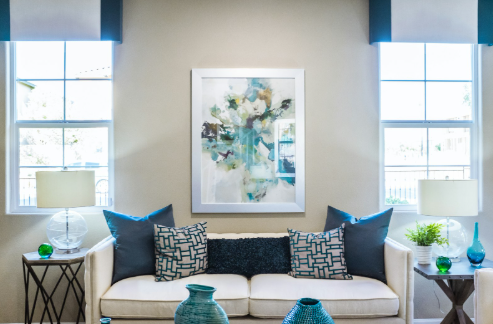
Interior Painters Wellington often come across the same surprise during winter repainting jobs. A colour that looked neutral in summer suddenly appears blue, grey, or dull. The reason is fairly simple. Paint reflects the light around it. When daylight is weaker, the undertone hidden inside a colour becomes easier to see.
A cool white may show a blue or grey cast. A blue-grey can become even colder. A soft beige may retain more warmth because its base contains yellow, red or brown. A south-facing lounge with a cool white on the walls can take on a blue or grey cast. A pale grey may look almost silver. Even a clean-looking blue can become noticeably colder.
This is why a south-facing bedroom with white walls can still feel chilly. The white isn’t necessarily a bad choice. The undertone may simply be fighting the available light.
Start With Warm White, Not Bright White
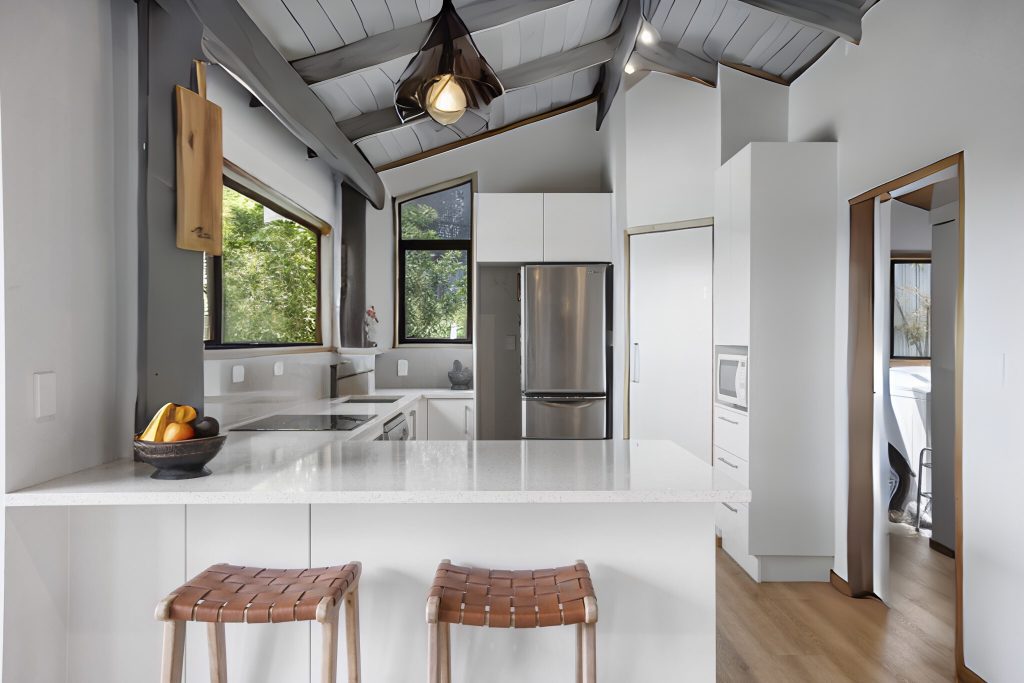
Bright white sounds like the obvious answer to a dark room. It isn’t always. A very clean, cool white can make weak daylight feel sharper and colder. A soft white with a small cream or beige undertone often gives the room a gentler base. That doesn’t mean covering the walls in yellow. Too much yellow can look muddy beside grey carpet, stainless steel, black fittings or cool-toned flooring.
The better option is usually a warm white that still looks clean. In an older Wellington villa with timber floors and natural woodwork, a soft white can sit comfortably with those existing features. In a modern apartment with grey carpet, a balanced off-white may work better than a creamy shade.
This is where Interior Painters Wellington need to look beyond the colour name. “Warm white” means different things from one paint range to another.
Pale Greige Sits Nicely Between Grey and Beige

Pale greige can be useful when white feels too stark, but beige feels too warm. It has enough grey to remain neutral, with a beige base that can soften the colder effect of weak daylight. This matters because some grey paints contain strong blue or green undertones. In a bright room, they may look clean and modern. In a dim south-facing room, those undertones can become much more obvious.
Pale greige isn’t a cure for every dark room. A shade that is too deep can still absorb a lot of light. Soft beige is another option, especially where there are timber floors, tan furniture, cream curtains or warm fabrics. Muted oatmeal, mushroom and gentle clay shades can work too.
The key is keeping the colour light enough for the room.
Be Careful With Cool Colours
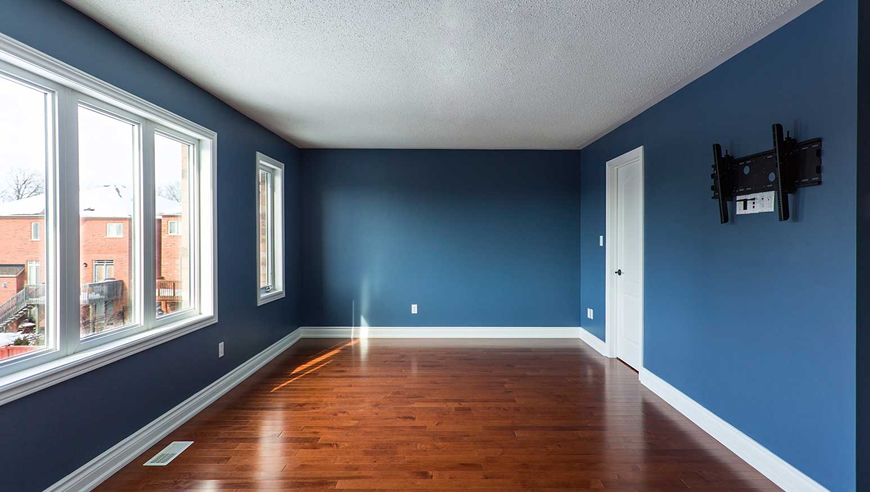
Dark rooms don’t have to avoid blue and green completely. The issue is the combination of colour and light. A blue-grey wall beside cool LED lighting and grey flooring can push a room towards an icy look. A strong blue-green can do the same. Cool greens can have the same issue. It can look stylish in a bright room but become heavy when the available daylight is already weak.
That doesn’t mean every dark room needs beige. It means the undertone needs attention. A pale colour with a warm base can sometimes feel brighter than a cooler colour with a similar depth.
Soft dusty blue tends to behave differently from a sharp icy blue. Green works in a similar way. A soft sage or muted olive can bring some warmth when paired with timber and natural fabrics. A very cool green may make a low-light room feel even colder. For Interior Painters Wellington, the question isn’t “Is blue good or bad?” It is “What is the colour doing in this particular room?”
The Ceiling Is Part of the Light Plan
The ceiling is easy to forget because homeowners usually focus on the four walls. Yet it covers a large part of the room.
A light ceiling gives available daylight and artificial light another surface to reflect from. Keeping the ceiling within the same colour family as the walls can also make the room feel less broken up. A slightly lighter ceiling is another option.
What can cause trouble is pairing a warm wall with an extremely cool ceiling white. The contrast can make the wall look more yellow than expected.
For a gloomy south-facing room, a soft white ceiling is often a safer choice than a heavy contrast. Interior Painters Wellington should also check the condition of the ceiling before painting.
Trim and Doors Can Change the Whole Colour

Skirting boards, architraves and doors may look like small details, but they sit right beside the walls. Put a creamy wall next to a very blue white trim, and the wall can suddenly look much warmer.
That may be exactly what a traditional villa needs. In a newer home, it might look accidental. Matching the trim more closely to the wall colour can create a quieter finish. Keeping timber doors or older woodwork is another way to bring warmth into the room without adding another painted colour.
This is one area where Wellington painters and decorators need to consider the whole room rather than a single wall.
The best colour choice can look wrong when the trim has a completely different undertone. Sometimes keeping good timber and changing the surrounding wall colour gives a better result.
Paint Finish Changes the Way Light Behaves

Colour gets most of the attention, but sheen matters too. A smoother paint surface can reflect more light than a very flat or heavily textured surface. Resene’s guidance on light reflectance values explains how both colour and surface affect reflected light.
There is a catch. More sheen can also reveal dents, sanding marks and uneven plaster. A glossy finish may make a wall look brighter while drawing attention to every small surface problem.
A low-sheen finish can be a useful middle ground for living rooms and bedrooms. Ceilings often suit flatter finishes, while kitchens, bathrooms and busy areas may need a finish that handles regular cleaning. The wall needs proper preparation first. Otherwise, changing the sheen won’t solve the real problem.
Furniture Can Undo a Good Paint Choice

Picture a room with pale warm walls, a large charcoal sofa, dark curtains and a heavy timber cabinet covering most of one wall. The paint may be doing exactly what it should. The room can still feel dark.
Furniture and flooring take up a lot of visual space. Dark rugs, deep brown furniture, and thick curtains can make a room feel heavier even after a repaint. There is no need to replace everything.
Moving a tall bookcase away from the main window can help. Opening up the area around the glass can help too. A lighter rug or softer curtain fabric may make the new wall colour more noticeable. Paint is part of the room, not the whole room.
Why a Small Colour Card Can Mislead You?
A colour card is useful for narrowing down choices. It shouldn’t be treated as the final answer.
A wall is much larger than a sample. It sits beside flooring, curtains, windows, furniture and the ceiling. The texture of the wall also affects how the light reaches the surface.
A freshly sanded repair can look different from an older rough patch. A filled crack may disappear from a distance but still catch light when viewed from the side. That’s why Interior Painters Wellington should consider surface condition as part of colour planning.
RNF Construction’s recent guidance on preparation makes the same practical point. Cracks, uneven plaster, stains, old repairs and missed sanding can become more visible after a new coat goes on. A colour consultation works better when the wall is assessed at the same time.
When a Feature Wall Makes a Dark Room Worse
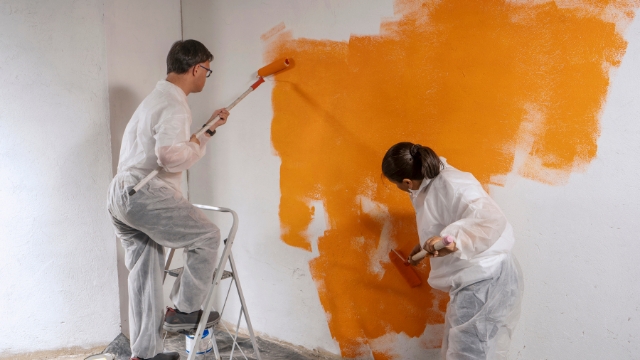
A feature wall can look great in the right space. It isn’t a guaranteed fix for a gloomy room.
Put deep navy, charcoal, or forest green on the darkest wall, and that surface may become the first thing the eye notices. In a room with limited winter daylight, the effect can feel heavier. This doesn’t mean darker colours are banned. The problem comes when a dark room gets a very dark feature wall because the homeowner thinks it needs more personality.
A deep green, navy or charcoal wall may look great in a sunny room. In a gloomy south-facing lounge, it can become a large dark surface that absorbs attention and makes the rest of the room feel even flatter. A softer contrast can work better. For example, a pale greige main colour with a slightly deeper warm neutral can add depth without turning one wall into a visual black hole.
A feature wall can work when the room already has enough daylight or when the darker wall has a clear purpose. In a very dim south-facing room, a smaller shift in colour may give the room enough contrast without creating a large dark block.
That is a better question for painting contractors Wellington homeowners are considering: what will the colour do in the room, not just how does it look in a brochure?
What Painting Contractors Wellington Should Check Before Starting?

- Before painting, painting contractors Wellington homeowners hire should check for cracks, old flaking paint, stains, dents, and areas where previous repairs stand out.
- Good colour choices won’t hide poor preparation.
- Those defects become easier to see when daylight runs across the wall at a low angle.
- Preparation may involve filling damaged areas, sanding rough patches and priming surfaces before the final coats.
This is also where the existing paint matters. If a wall has been painted many times, the surface may need more work than it first appears.
A room can have the perfect colour and still look poor if the wall underneath hasn’t been prepared properly.
How RNF Construction Approaches Interior Painting?

RNF Construction provides interior painting services across Wellington, Lower Hutt, Upper Hutt, the Kapiti Coast and Auckland. Its service includes colour consultation, furniture and floor protection, wall and ceiling preparation, multiple coats, clean edging and trim work, and same-day clean-up and removal of materials.
That preparation matters in a low-light room.
Fresh paint can highlight dents, cracks, and old patching when daylight travels across a wall. Fixing those problems before painting gives the final colour a cleaner surface to work with.
RNF’s Wellington interior painting guidance also describes protecting furniture and floors, repairing cracks and dents, cleaning walls and using low-odour, eco-friendly and durable paint options. The team also carries out a final walkthrough so touch-ups can be identified before the job is finished.
A single room may take around one to two days, while a whole-home repaint can take several days depending on the project. It also advertises 18 months interest-free financing. For Interior Painters Wellington, preparation is especially useful when the goal is to improve how a dark room looks under weak winter light.
A Practical Colour Plan for a Dark Winter Room

Start with the room’s existing finishes. If the floor is warm timber, look at soft warm whites, pale greige or gentle beige. If the carpet is cool grey, don’t automatically choose a strong yellow cream. A balanced off-white may sit better.
Keep the ceiling light. Look at the trim before settling on the wall colour. Check whether dark curtains or furniture are taking up most of the visual space. Then think about sheen. A low-sheen wall finish may provide some reflection without making every surface defect obvious.
Interior Painters Wellington can also spot problems that colour alone won’t fix. A stained wall may need primer. A damaged section may need filling and sanding. An old coating may need more preparation before a new one can go over it. Sometimes the biggest improvement comes from fixing the surface rather than changing from one near-white to another.
FAQs
What colour works best in a dark south-facing room?
Warm white, pale greige and soft beige are useful starting points. The right choice depends on the flooring, furniture, trim and the undertone within the paint. A soft warm white often works well when the room feels cold under winter daylight.
Should every south-facing room use warm paint?
No. Too much warmth can make a room look yellow, especially when it already has timber floors or beige furnishings. A balanced neutral can be a better choice when the existing finishes already add warmth.
Is grey a bad colour for a dark room?
No. Pale greige can work very well. The main thing is to avoid choosing a grey with a strong cool undertone if the room already receives very little warm daylight.
Should the ceiling match the walls?
It can. Using a light colour family across the walls and ceiling can give the room a more connected finish. A soft white ceiling can also provide another light surface for daylight and room lighting to reflect from.
Why does my white paint look blue in winter?
Weak daylight can make cool undertones much easier to see. If the white contains blue or grey, those tones may become more noticeable in a south-facing room with limited direct sunlight.
Can dark furniture still make a room gloomy after painting?
Yes. A large dark sofa, heavy curtains or dark flooring can still dominate the room after the walls have been repainted. Moving bulky furniture away from the main window and using lighter fabrics can help the new wall colour have more impact.
Is a feature wall a good choice for a dark south-facing room?
Not always. A very dark feature wall can become the heaviest surface in a room that already lacks daylight. A closer, slightly deeper shade can give contrast without making the room feel closed in.
Should a dark room have an accent wall?
Not necessarily. A dark feature wall can make an already gloomy room feel heavier. If contrast is wanted, a small change between related light or mid-tone colours can be easier to balance.
How long does an interior repaint usually take?
RNF Construction states that one room may take around one to two days, while a whole-home repaint can take several days. Preparation, repairs, room size, and the number of coats can all affect the schedule.