

Planning a plastering can rapidly become complicated. While one room might simply require a quick skim, another might require multiple finishing rounds, the removal of existing plaster, and the installation of new plasterboard. For this reason, before you begin requesting bids from professionals, a plastering cost calculator may be helpful. It provides a rough starting point based on the area’s size, surface quality, and desired finish level.
It won’t give you the final price. No calculator can account for every crack, awkward corner, access problem or repair hidden behind an old wall. But it can help you understand what affects the cost and what questions to ask before booking the work.
What Does a Plastering Cost Calculator Actually Tell You?

A RNF Construction plastering cost calculator uses a few basic details to produce an estimated cost. The size of the region is one of the first factors it considers. For example, a 50-square-metre region in good condition may require significantly less work than a 50-square-metre area in need of re-gibbing and repairs.
A typical calculator may ask about:
- The size of the area in square metres
- Whether the property is an existing home or new build
- The current condition of the surface
- The amount of repair work required
- The level of finish needed
These details give a better starting point than simply calculating wall size and multiplying it by a standard rate.
Start With the Size of the Area
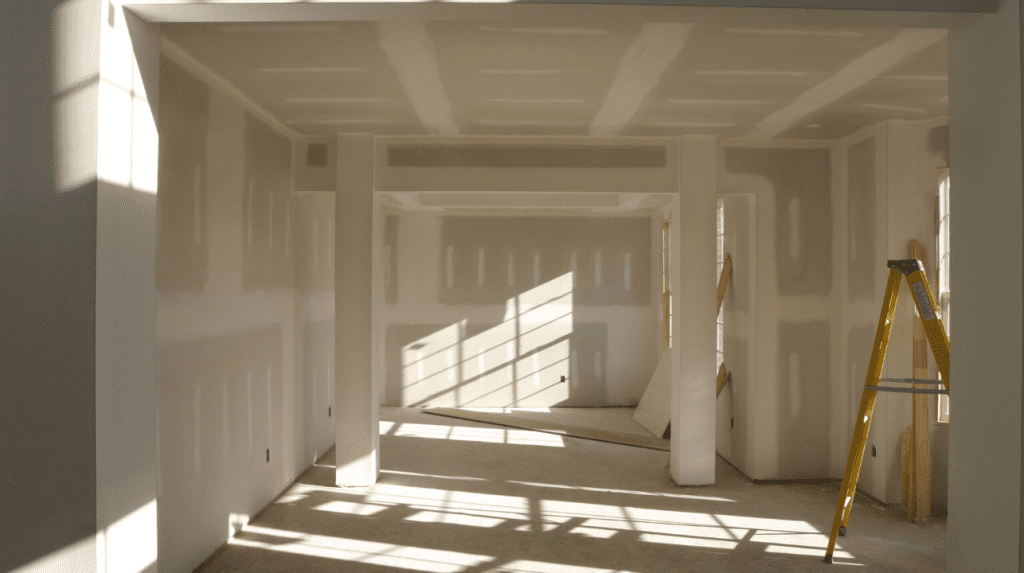
The first thing you’ll need to know is the size of the area being plastered. The floor space of the room or rooms in square meters is requested. It uses this as a starting point for estimating the work. This sounds straightforward, but there is one thing to watch. The floor area isn’t the same as the total wall area.
A 20-square-metre room may have several metres of wall surface once you account for the height of the walls. Ceilings can add more work too. Doors and windows reduce the surface area, while awkward corners and difficult access can make the work take longer.
So don’t treat the square-metre figure as the whole story. Use it to get your first estimate. A plasterer can then take proper measurements when preparing a quote.
The Condition of Your Walls Matters More Than You Think
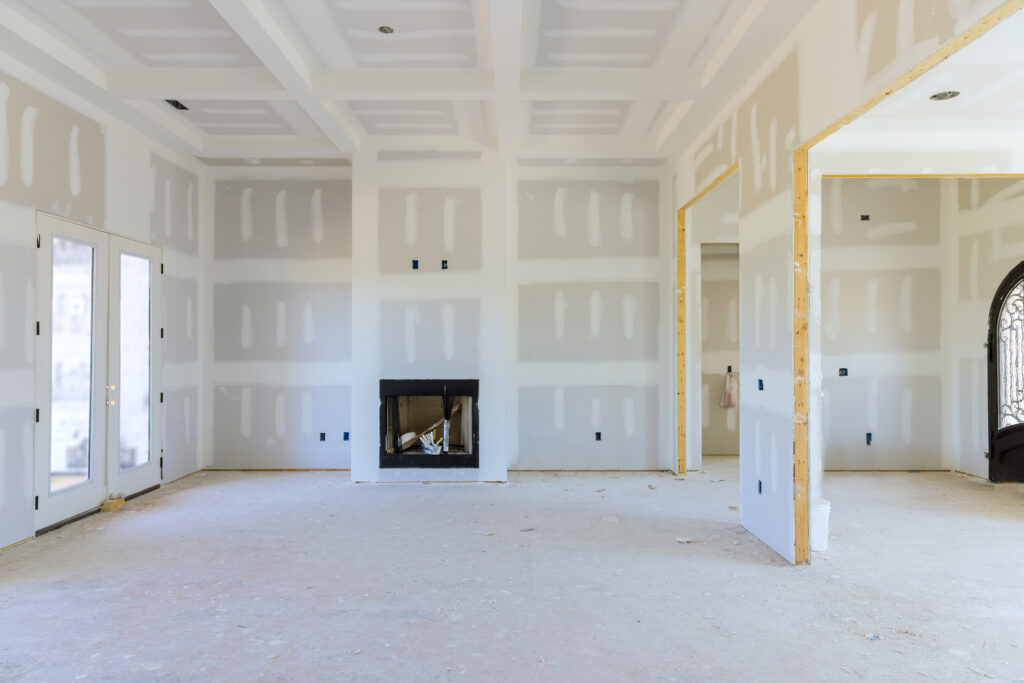
Two rooms can be exactly the same size and still cost very different amounts to plaster. Why? Look at the walls. If they’re already in good condition with only a few marks, there may not be much preparation needed. A damaged wall is another matter.
Plastering cost Calculator lets homeowners choose between:
- Re-gibbing and repair work required
- Minor repair work required
- Generally good condition with a few marks
- Near-new condition
These options give you an idea of how much preparation your project may need. For example, a wall with a few small dents might only need patching and finishing. A wall with badly damaged plasterboard may need sections removed and replaced before the plastering work can properly begin. That’s where costs can start moving.
Don’t select the condition that gives you the lowest estimate. Be realistic about what the walls actually look like. It will give you a much more useful starting figure.
What Is Re-Gibbing and When Do You Need It?
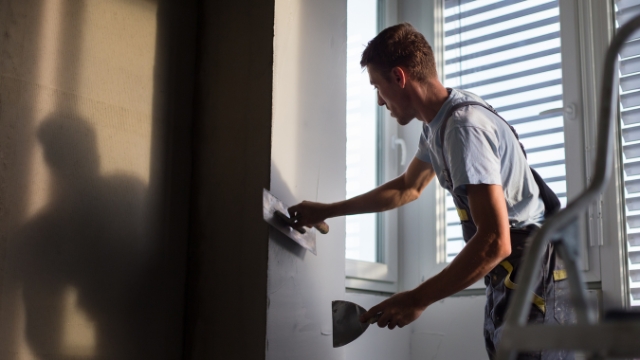
The term “re-gibbing” may sound complex, but the concept is rather straightforward. It involves replacing plasterboard, which is frequently damaged, heavily worn, or no longer appropriate for the finish you want.
Consider an older space with several patches on the walls. There are old screw holes, damaged sections and uneven repairs. Skimming over everything may not be the best answer. Replacing the damaged plasterboard can provide a better surface to work from.
It costs more than dealing with a few small marks, but sometimes it’s the more sensible option. A plasterer needs to look at the actual condition of the wall before deciding whether repair work or re-gibbing is needed.
What Do Level 3, Level 4 and Level 5 Finish Mean in Plastering?
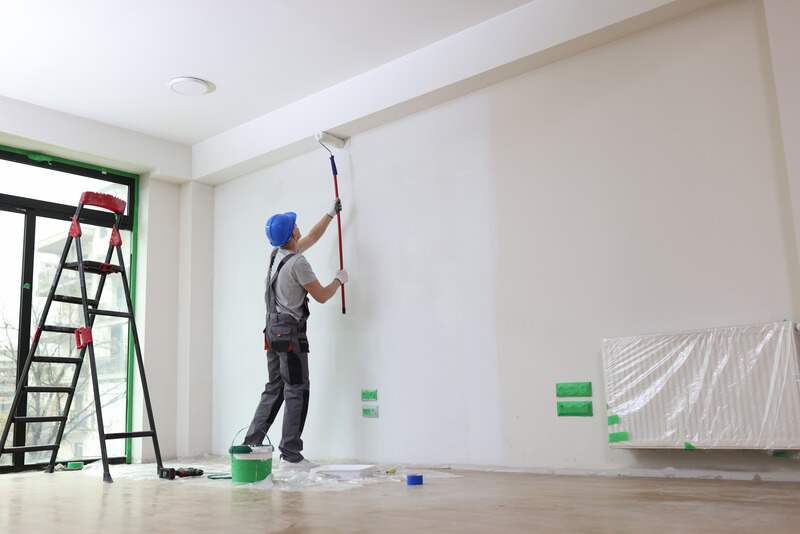
This is probably the part of a plastering cost calculator that causes the most confusion for homeowners. Level 3, Level 4 and Level 5 refer to different levels of surface finish. In simple terms, they tell you how smooth and refined the finished surface needs to be.
Level 3: Basic Finish
Level 3 is a more basic finish. It can suit areas where the wall doesn’t need to have a highly smooth appearance or where another finish will be applied over it. If you’re expecting a very smooth painted wall in a main living area, this may not be the finish you’re looking for.
Level 4: Smooth Finish for Typical Rooms
Level 4 gives a smoother finish and is commonly considered for standard residential walls that will be painted. Think about bedrooms, hallways and living rooms. The wall should look clean and even once painted, but the exact result will still depend on the quality of the preparation and painting.
Lighting also makes a difference. A wall can look smooth in normal daylight but show small changes in texture when strong sunlight hits it from the side. This is something homeowners often don’t think about until the room has been painted.
Level 5: Extra Smooth Finish
Level 5 takes the finish further. It’s intended for areas where a very smooth and consistent surface is needed. Strong lighting can make imperfections easier to spot, so a higher finish may make sense in certain rooms.
That doesn’t mean every wall in a house needs Level 5. If you’re renovating a normal bedroom, paying for the highest finish may not give you enough extra benefit to justify the additional cost. If you’re dealing with a large feature wall, strong natural light or a high-end finish, it may be worth discussing.
The key is to choose the finish based on the room and the result you want, not simply because one level sounds better. RNF Construction’s plastering information also refers to Level 4 and Level 5 finishes for paint-ready walls and ceilings.
What Are Plastering Prices Per Square Metre?
This is where online research can get messy. Search for plastering prices per square metre and you’ll find plenty of figures. The problem is that a square-metre rate by itself doesn’t tell you much about the actual job.
A wall in good condition is one thing. A wall that needs repairs, re-gibbing and several stages of finishing is another. Access matters too. A plasterer working on a normal-height bedroom wall has a different job from someone working around a stairwell or on a high ceiling.
Materials, preparation and the finish level can also change the price. So use square-metre rates as a rough guide, not a promise of what your renovation will cost. When comparing quotes, check what is actually included.
How Much Does a Plasterer Cost NZ Homeowners Should Expect?
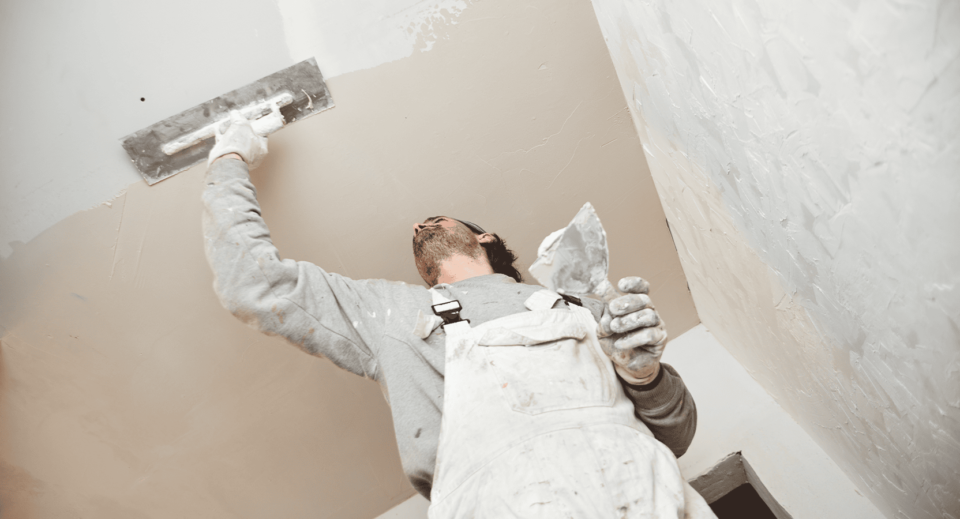
The question how much does a plasterer cost NZ homeowners ask is difficult to answer with one figure.
- A small repair could take a few hours.
- A full house renovation could involve weeks of work.
- A new build is different again.
The condition of the surface, size of the project, access, materials and required finish all have an effect. That’s why two homeowners can receive very different quotes even when their houses appear similar. The best approach is to use a plastering cost calculator to set an early budget, then ask for a detailed quote based on the actual property. That gives you something much more useful than relying on a generic price from a search result.
Don’t Ignore Surface Preparation
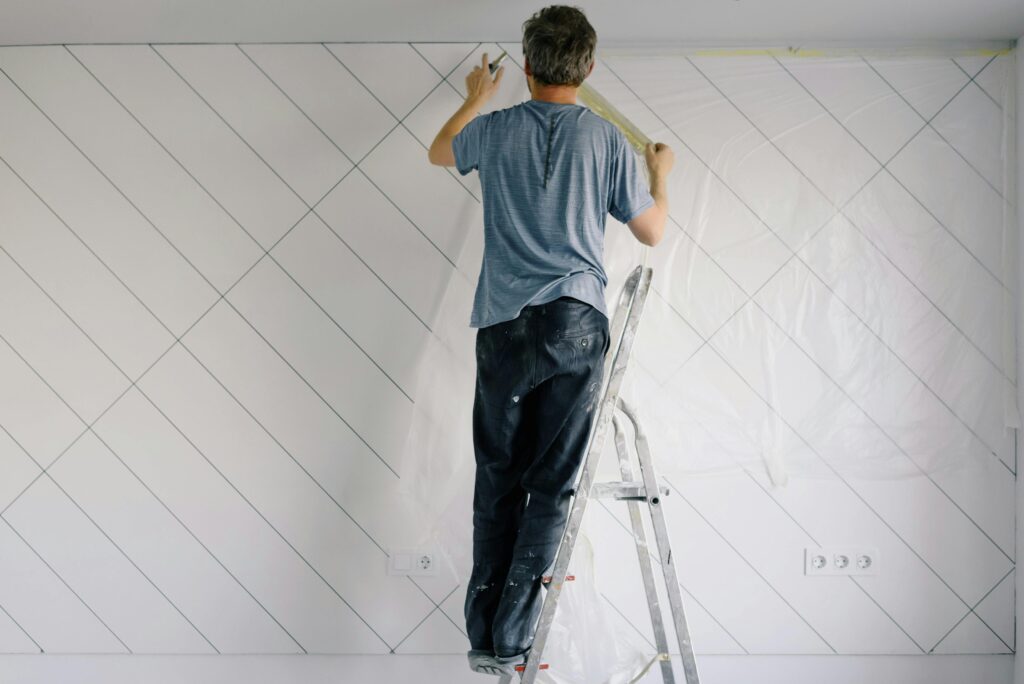
Before plastering begins, the surface may need cleaning, repairs or other preparation. Old damage needs attention. Cracks need to be dealt with. Areas that can’t provide a sound base may need replacing.
RNF Construction’s plastering service includes surface preparation, plastering, GIB stopping and finishing, skim coating, patchwork and crack repairs. This is also where a cheap quote can sometimes become less attractive. If one contractor has included more preparation and another hasn’t, the two prices aren’t really comparing the same job. Ask what’s included before making a decision.
Think About the Final Paint Finish Too
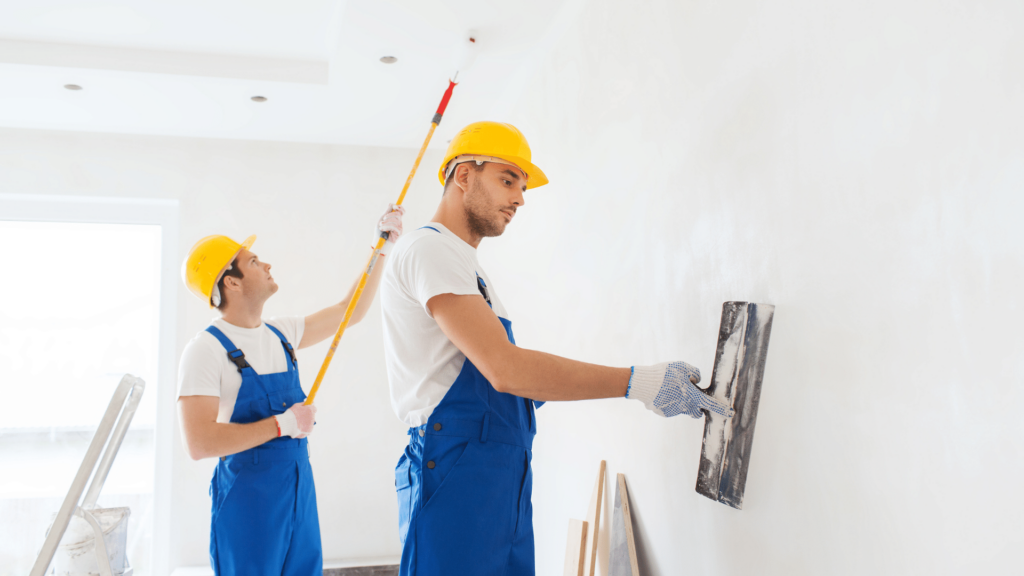
Plastering and painting are closely linked. A wall can be plastered well and still look disappointing if the paint highlights surface marks that weren’t dealt with properly. The opposite can happen too. A painter can apply good paint, but the wall underneath isn’t smooth enough for the finish the homeowner wanted.This is why it’s useful to think about the final result before plastering starts.
- Will the walls have a flat paint finish?
- Will the room receive strong natural light?
- Are there large windows shining across the walls?
- Are you aiming for a standard renovation finish or something more refined?
These details can help determine the level of plaster finish that makes sense.
Access Can Change the Cost
It’s easy to forget about access when estimating plastering work. A standard bedroom is fairly straightforward. A stairwell isn’t. Neither is a tall ceiling, narrow hallway or awkward section behind fixed fittings.
The plastering cost calculator information from RNF Construction also highlights accessibility, building height, preparation and overall project difficulty as factors that can affect renovation estimates. If your home has difficult areas, mention them when requesting a quote. It’s better for the contractor to know about them at the beginning than to discover them halfway through the job.
Use the Plastering Cost Calculator Before Calling Contractors
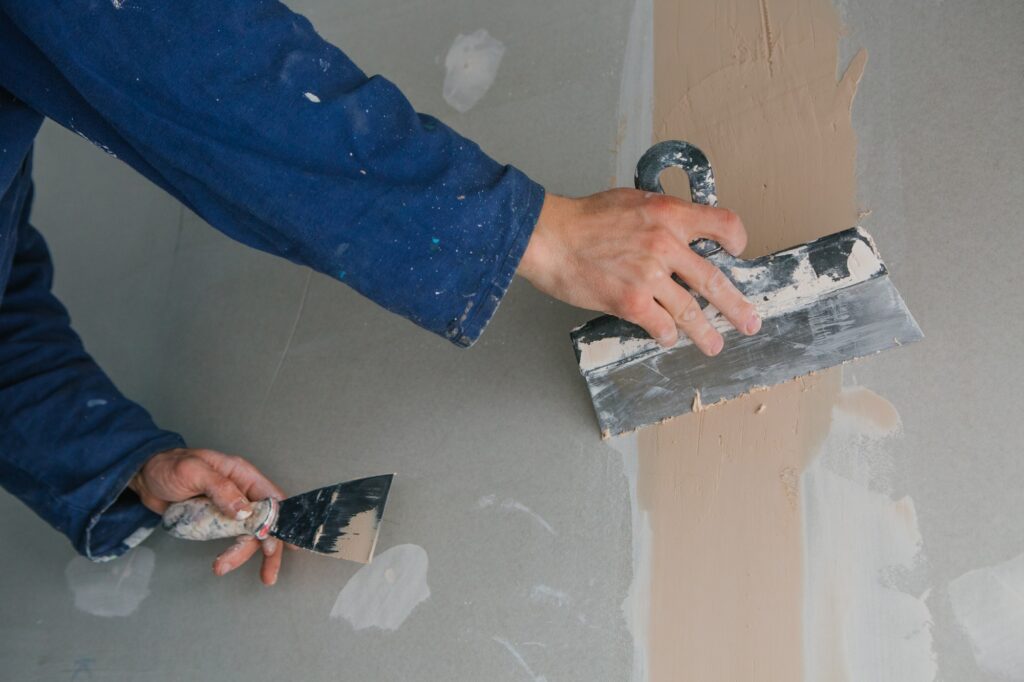
A plastering cost calculator is most useful before you have a firm quote.
- Measure the areas.
- Look closely at the walls.
- Decide whether there are obvious repairs.
- Think about the finish you want.
- Then enter the information into the calculator.
Calculator uses these details to provide a general estimate and sends the results to your email after the form is completed. The estimate isn’t a final price, and it shouldn’t be treated as one. Think of it as a budgeting tool.
It helps answer the first question: “Is this renovation roughly within my budget?” Once you know that, you can start getting detailed quotes.
What Should You Ask Before Accepting a Quote?
Ask what you’re actually getting for that price. A useful checklist includes:
- Surface preparation
- Crack and hole repairs
- Re-gibbing where required
- Plastering or GIB stopping
- Materials
- Finish level
- Ceiling work, if required
- Difficult access
- Final clean-up
- Painting, if included
If something isn’t clear, ask. A good quote should make it reasonably easy to understand what work will happen and what isn’t included.
A Simple Way to Plan Your Plastering Budget

You don’t need to become a plastering expert before renovating your home. Start with these things:
- Measure the area.
- Get a rough idea of the room sizes involved.
- Check the walls.
- Look for cracks, holes, damaged plasterboard and old repairs.
- Choose the finish.
- Decide how smooth you want the finished walls to look and ask whether Level 3, 4 or 5 is appropriate.
- Get a proper quote.
Use the plastering cost calculator for early planning, then have a plasterer assess the property before committing to the work. That’s a much safer way to build a renovation budget. The calculator gives you a starting point. The condition of the actual house determines what the job will really involve.
Average NZ Plastering Cost Calculator
| Plastering Service Type | Average NZ Rate (per m²) | Typical Use Case |
| GIB® Stopping (Standard Finish) | $25 – $45 / m² | Joint taping and stopping on new plasterboard. |
| Interior Skim Coating | $40 – $70 / m² | Full wall coating to fix old, uneven surfaces. |
| Small Wall Repairs | $100 – $300 (flat rate) | Patching small holes or isolated cracks. |
| Exterior Plastering / Rendering | $70 – $140 / m² | Solid plaster systems or mesh exterior repairs. |
| Ceiling Plastering | $45 – $65 / m² | Stopping or skimming overhead plasterboard. |
Calculate Your Project Estimates
Ready to plan your budget? Use our interactive plastering cost calculator above to enter your room dimensions, select your surface conditions, and receive a customized cost estimate sent directly to your inbox.
FAQs
Is a plastering cost calculator accurate?
It gives a useful starting estimate, but it isn’t a fixed quote. The actual cost can change after the walls, ceilings, access and repair requirements have been assessed. Online calculators work best for early budgeting rather than final pricing.
What information do I need to use a plastering cost calculator?
You will generally need the approximate size of the area, the property type, the condition of the surface and the finish you want. RNF Construction’s plastering cost calculator uses these details to produce a general estimate.
What are plastering prices per square metre based on?
Square-metre pricing can depend on the condition of the surface, preparation, materials, access and required finish. A simple wall in good condition can require much less work than a damaged wall that needs repairs or re-gibbing.
How much does a plasterer cost NZ homeowners?
There isn’t one standard price for every project. A small repair, a full renovation and a new build can have very different costs. The size and condition of the job, along with access and finish requirements, all affect the final figure.
What is the difference between Level 3, 4 and 5 plaster finish?
They describe different levels of surface finish. Level 3 is more basic, Level 4 provides a smoother finish suitable for many painted residential walls, and Level 5 provides a higher level of surface smoothness for areas where imperfections are more noticeable.
Do all rooms need a Level 5 finish?
No. Most homes don’t need the highest finish throughout every room. Level 5 may make more sense in areas with strong lighting or where a very smooth appearance is required. Your plasterer can recommend the right level for each room.
When is re-gibbing needed?
Re-gibbing may be needed when plasterboard is badly damaged, heavily patched or no longer provides a suitable surface for the required finish. Minor cracks and dents don’t always require full replacement, which is why the condition should be assessed first.
Can plastering and painting be done together?
Yes. Planning the two jobs together can help create a cleaner final result. The plastering and repair work can be completed before painting begins, leaving the painter with a properly prepared surface.
Should I get more than one plastering quote?
Yes, especially for a larger renovation. Comparing a few detailed quotes can help you see differences in preparation, materials, finish and included work. Don’t compare the final price alone. Check that each contractor is quoting for roughly the same scope.