
If you speak with any Wellington-based interior painter, they will tell you that one thing that has undoubtedly changed recently is:
Nowadays, people want their walls to stay clean for a lot longer before they need to be painted. Not just fresh colour. Not just a nice finish. But paint that can handle real life.
Kids touching walls. Cooking marks near kitchens. Light scuffs in hallways. Wellington homes deal with all of it. Washable paints are now becoming the first choice because they reduce how often walls need repainting or touch-ups.
Why Washable paint is getting more attention in Wellington Homes?
Interior painters Wellington teams say the demand for washable paint comes from simple daily problems.
Walls do not stay “new” for long in busy homes. One painter working in Karori mentioned a recent job where a young family asked one question before anything else: “Can we wipe this wall if it gets marked?”
That question now comes up often. Washable paint is not new, but more homeowners are choosing it because:
- it handles fingerprints better
- it allows light cleaning with a damp cloth
- it reduces visible marks in high traffic areas
- it keeps colour looking fresher for longer
In small Wellington homes and apartments, this matters even more because walls are closer to daily activity.
Interior Painters Wellington are Seeing a Shift in Expectations
A few years ago, most conversations with interior painters Wellington started with colour choices. Now the first questions are about maintenance.
Homeowners want to know:
- how easy is it to clean
- will marks show quickly
- how long before repainting is needed
- what finish works best for busy rooms
Where Washable Paint is Being Used Most?

Washable paint is not used everywhere in the home.
Interior painters Wellington teams usually recommend it in high-contact areas like:
- hallways
- living rooms
- children’s bedrooms
- kitchens
- stairwells
These are the areas that show wear first.
A family in Lower Hutt recently repainted their home and focused washable paint only on shared spaces. Bedrooms were kept in standard finishes. That balance is becoming normal because it keeps costs controlled while still improving durability where it matters most.
The Role of Surface Preparation before Washable Paint
Washable paint does not fix poor walls. That is something experienced interior painters Wellington always point out.
A wall can look fine but still have:
- dust build-up
- old cooking grease
- small dents and cracks
- uneven filler patches
However, if these are not addressed first, even washable paints won’t do well.
Before applying any paints, the walls are cleaned, patched up, sanded, and primed. This is often what determines how long the paint will hold up. Washable paints work best when the underlying surface is prepared first.
Why do Families Prefer Washable Paint in Busy Homes?
Wellington homes often have tight living spaces. That means walls get touched more often than people realise.
Interior painters Wellington teams see this especially in:
- apartments
- townhouses
- family homes with young children
One homeowner in Thorndon explained it simply: “We were tired of seeing hand marks on the hallway wall every week.”
Washable paint reduces that stress. It does not stop marks completely, but it makes cleaning easier and keeps walls looking fresher between repaint cycles. For many families, that alone is enough reason to choose it.
Cost Difference between Washable and Standard Paint
Washable paint usually costs more than standard interior paint. But the difference is not extreme.
On average in Wellington:
- standard interior paint job: baseline cost
- washable paint upgrade: around 10% to 25% more depending on brand and finish
Interior painters Wellington often explain it like this: The upfront cost is slightly higher, but maintenance over time is lower. Fewer touch-ups. Fewer repaints in high-traffic areas.
Matt vs Low sheen vs Washable finishes
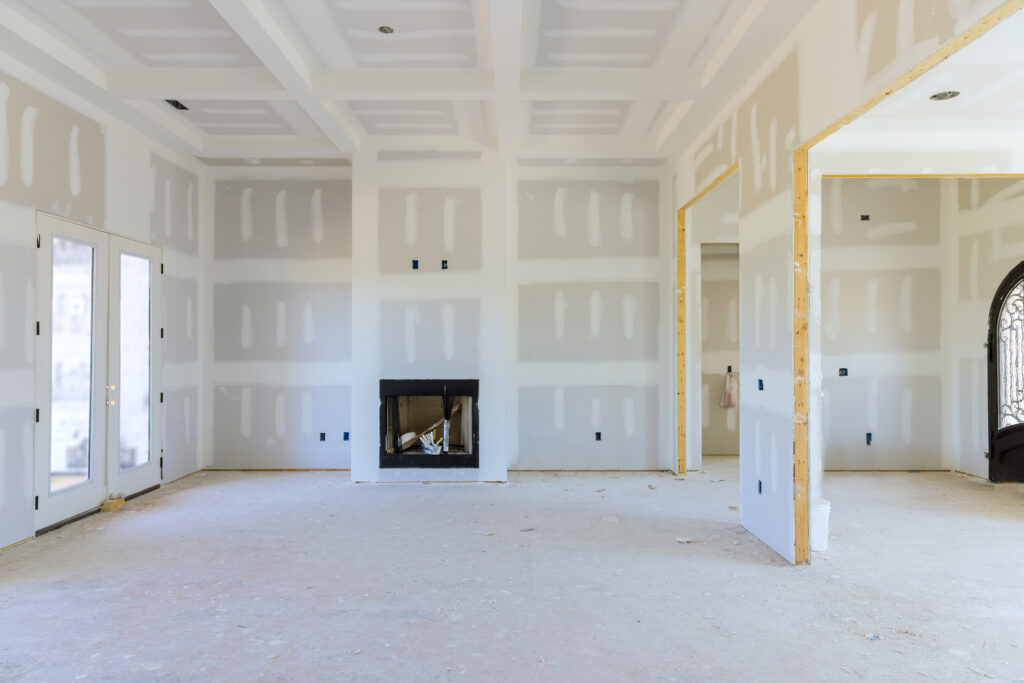
Many homeowners still get confused about finishes. Interior painters Wellington usually break it down in simple terms:
- Matt finish: soft look, hides wall flaws, harder to clean
- Low sheen: balance between look and cleanability
- Washable paint: stronger surface, easier cleaning, better for busy areas
Washable paint often sits in the low sheen to satin range depending on brand.
What can go Wrong if Washable Paint is Applied Without Prep?
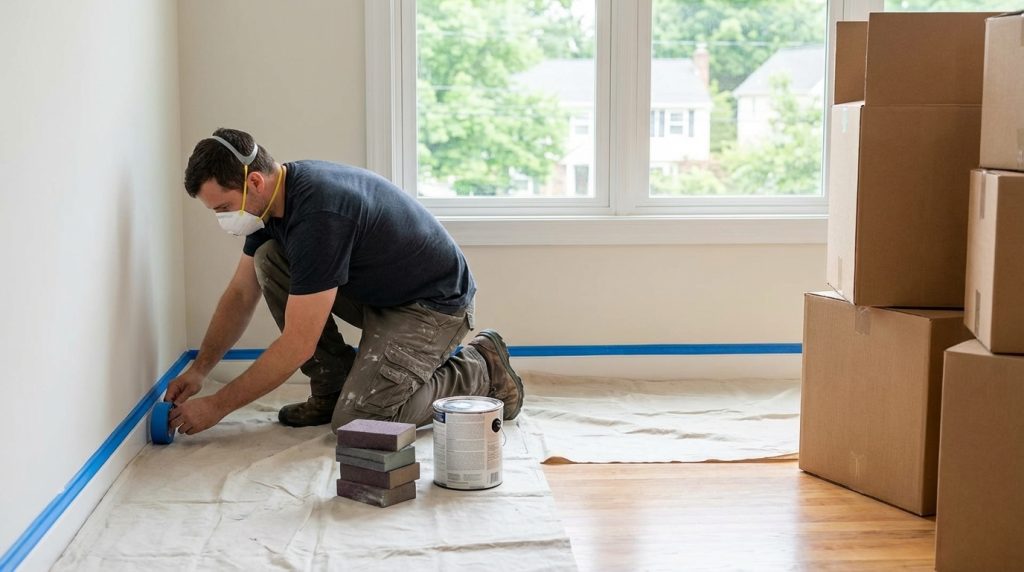
Some homeowners assume washable paint will solve everything. Interior painters Wellington teams see issues when preparation is skipped:
- marks still show through
- paint does not bond properly
- uneven patches appear
- old stains bleed through
A common example is kitchen walls.
If grease is not cleaned before painting, washable paint still struggles to stick properly. That is why preparation remains the most important step in any interior painting job. Property managers often choose washable finishes because tenants change over time and wall wear is higher.
Interior painters Wellington working in rental units often report:
- fewer repaint cycles
- easier end-of-tenancy cleaning
- better presentation for new tenants
A landlord in Johnsonville shared that switching to washable paint reduced how often they needed full repaints between tenants. That is becoming a common decision across the city.
Final thoughts
Washable paints are for homes needing easier maintenance. Interior painters Wellington teams see the change clearly. Homeowners now care as much about how walls perform as how they look.
The shift is simple: Less focus on perfect colour. More focus on how long the finish stays clean.
FAQs
Why is washable paint gaining popularity in Wellington?
As people seek to keep their wall surfaces clean and easy to clean.
Where would you use washable paint?
It can be applied to hallways, kitchens, living rooms, staircases, and kids’ rooms.
Is washable paint more costly?
Yes, approximately 10%-25% more expensive than regular interior paint.
Does washable paint stop stains completely?
No, but it makes marks easier to clean without damaging the surface.
Do interior painters Wellington recommend washable paint for rentals?
Yes, many landlords use it because it reduces maintenance between tenants.
Is it necessary to prepare washable paint?
Yes, it requires appropriate cleaning, sanding, and priming.
What finish is washable paint usually in?
It is often low sheen or satin depending on the product.
How long will washable paint last?
If prepared properly, it may last several years.