
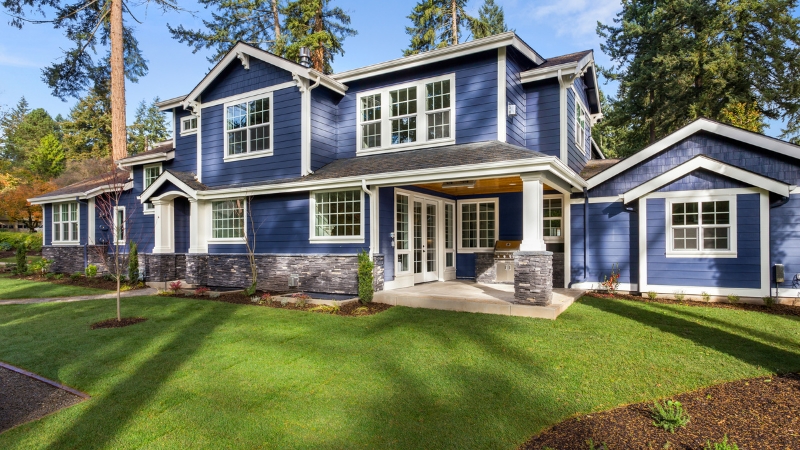
A homeowner in Auckland had plans to repaint the exterior of his house before summer approached. The color was already decided. Ladders were ready. Paints had been received. It seemed like all would be done in a hurry.
But before painting began, the first wall was cleaned. Through cleaning, many things that had not been noticed under layers of dust and old paint came out. The paint job had to be delayed by one more week.
Now, looking back, the homeowner feels this was the right decision he made. It happens in many Residential Home Painting projects. Most people believe that paint is the most crucial part of painting work. The truth is that paint is just the last step in painting work.
Painting Whenever It Fits Your Schedule
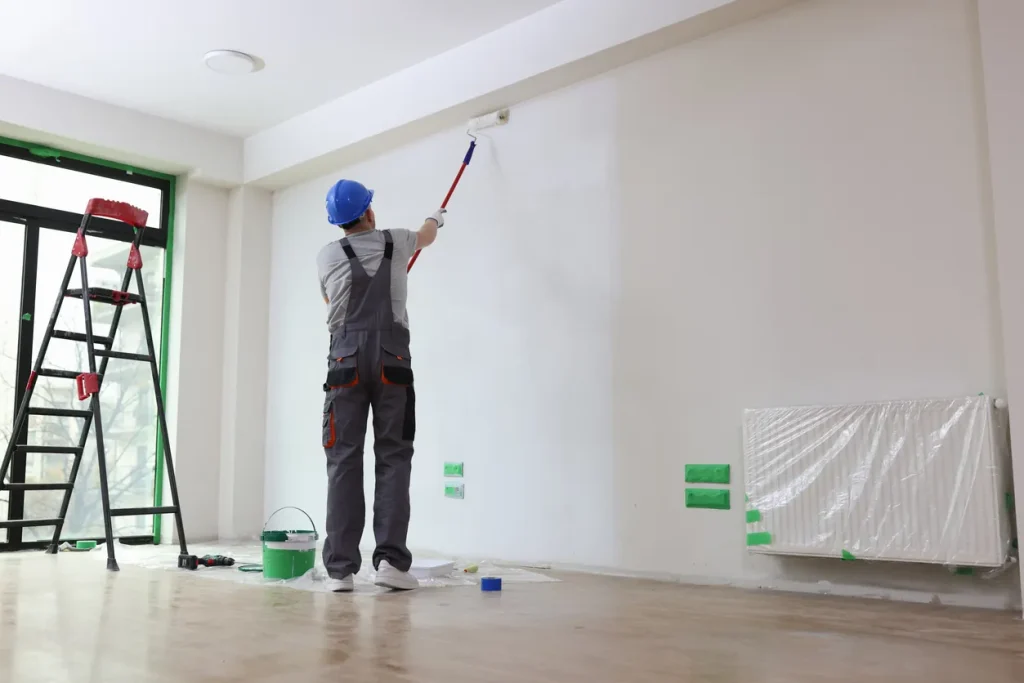
This is probably the most common mistake in Residential Home Painting. People paint on the weekend they’ve got free, not the weekend the weather actually allows for it. The trouble is Auckland’s humidity can sit high even when the sky looks clear, and if you paint over damp timber you’ll see bubbling and peeling within a year or two. Early morning and late afternoon are the worst times too, since that’s when dew hangs around longest.
Late spring into early autumn usually gives you the best run of dry days for work. A cheap moisture meter, the kind you can pick up for twenty or thirty dollars, will tell you in seconds whether a surface is actually ready. Cheaper than repainting the whole exterior again in three years.
When many people look out their window and see sunshine, they consider it the ideal day for painting. Painting is not always this easy. The weather elements of humidity, moisture after rain, rainfall, and sunlight later in the day can have an effect on your painting job. Painting in bad weather can cause paint not to dry evenly or have a shortened life expectancy. This is one reason why professional painters schedule residential home painting jobs according to weather conditions.
The Major Mistake Comes Before Painting
Most problems with paints arise long after the painting is done. The paint issues start way before you open up the paint tin. Homeowners are eager for a new paint job, so they tend to hurry through the prep work. The surface gets a quick clean. Small cracks are neglected. Loose paint remains in place.
After many months, new paint starts to lift or peel off. Fault is often put on the paint. Actually, it was all about the underlying surface. Proper Preparation is the key to professional residential home painting.
Mould And Moisture Can Ruin A Fresh Paint Job
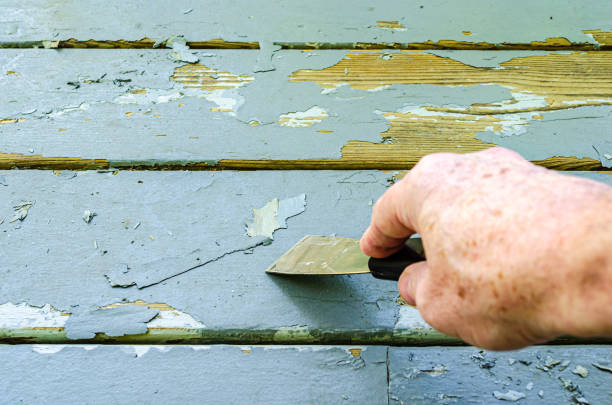
Nobody likes sanding and stripping. It takes time, it makes dust, and you can’t see anything happening like when you roll on the colour. But this is genuinely where most paint jobs fail. Paint over dirt, loose flakes, or an unsanded surface, and it doesn’t matter how good the paint is; it won’t hold.
Wash everything down first (mould builds up fast in the damp corners of a lot of Auckland homes), scrape back anything loose, sand for a bit of grip, fill the cracks, prime any bare patches. It’s not glamorous work, but it’s the difference between a paint job that lasts a decade and one that needs redoing in eighteen months.
A home may appear tidy when viewed from outside. That doesn’t mean that it’s in the right condition to have paint applied. Dirt, mold, algae, and pollution tend to build on the external surfaces in Auckland. Painting over this can cause the paint to not adhere to the surface properly.
Saving Money On Paint Can Cost More Later
Weatherboard, brick, plaster, and fibrous cement all behave differently under climatic conditions, and a paint that works well on one material will not work equally well on another. An indoor paint used outdoors or using paints just because there is a promotion and without knowing their suitability, will tend to backfire fast in a climate this exposed to sun and salt.
If your place is anywhere near the coast, spend the extra money on an exterior paint. Residential Home Painting exteriors have to deal with:
- Strong UV sunlight
- Heavy rain
- Moisture
- Wind
- Temperature changes
Quality products combined with proper preparation usually perform much better over time
Getting the Coats Wrong
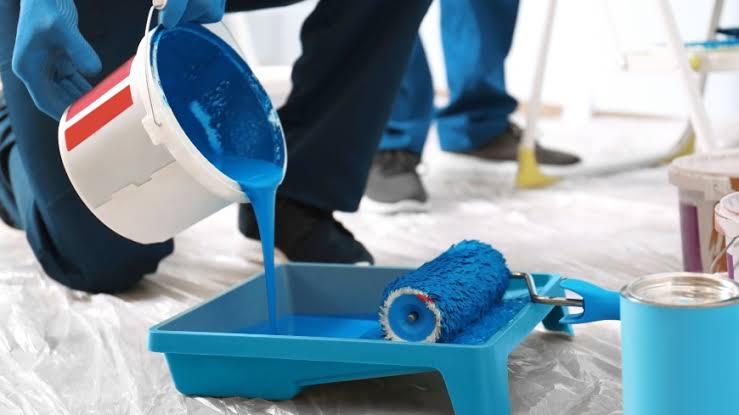
Some people stretch a can too far trying to save a few dollars and end up with patchy, thin coverage you can practically see through.
Some people do the exact opposite by putting too much on the roller, causing them to drip and sag. The minute that light hits it, you can see the problem. It is always better to use two coats than one thick one.
Neglecting Preparation Can Spoil Your Residential Home Painting Project
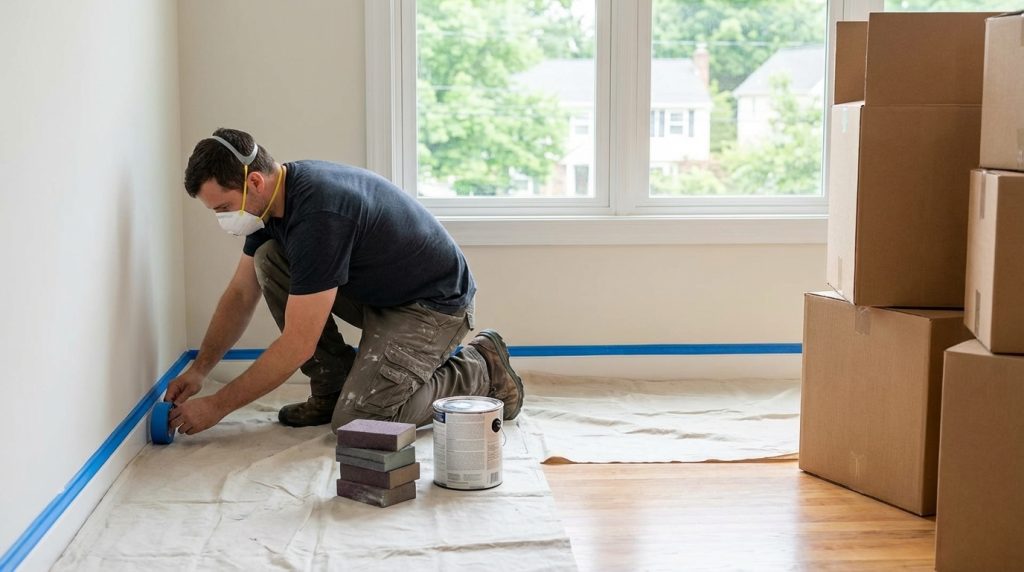
Rushing through preparation is one of the most common mistakes made in Residential Home Painting.
Although many people are keen to get started with the actual process of painting their home, it is crucial to focus on preparing the surface first. This means removing old paint, sanding rough surfaces, filling holes, and priming bare wood and any areas that have been repaired.
This way, you will ensure that the paint adheres well and results in a smooth coating. Though skipping preparation will save you some time initially, it is likely to cost you later with problems such as paint flaking, unevenness, and other maintenance issues arising sooner than expected.
Trusting the Paint Swatch Too Much
The color that seems so perfect on a little swatch can turn out to be nothing like the one that is actually applied on an entire wall surface, especially during the dull and dreary winter days of Auckland. It catches people out constantly, and it’s an annoying, expensive thing to fix once four walls are already done.
Paint a decent-sized patch directly on the actual wall, not just cardboard, in a couple of different spots, and look at it in the morning and again in the evening before ordering enough for the whole room.
Forgetting about the Trim and Primer
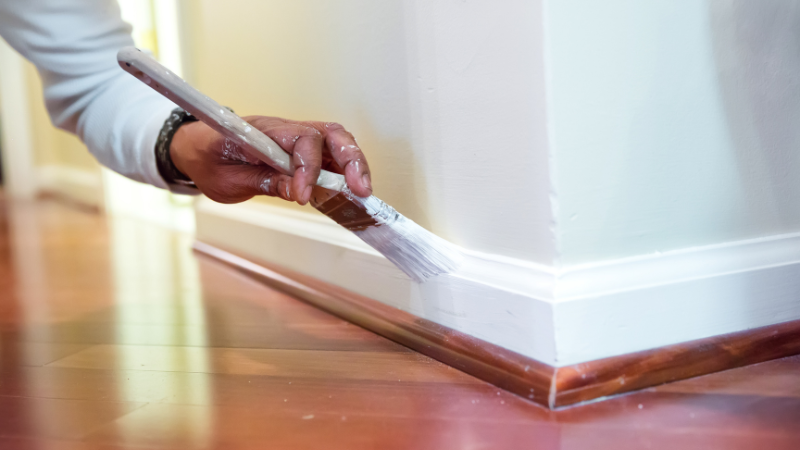
Fascia boards, gutters, and window frames these get treated as an afterthought once the big wall areas are finished. Which is a shame, because they’re usually the most exposed part of the house and the first thing to show wear. A job that looks great on the main walls but has flaking trim still looks unfinished. Trim should be treated as a separate activity, and paints suitable for the materials may include wood, metal, or uPVC.
Priming coating is one of the easiest activities, but it gets underrated many times. House owners are convinced that just another coat of paint can do the job for them. But this does not usually happen.
The process of priming ensures proper binding of paint, particularly on:
- Untreated wood
- Recently applied plaster
- Areas that need repairing
- Damaged areas
Without priming, variations in texture and absorbency may come through after painting.
Small Cracks Never Stay Tiny
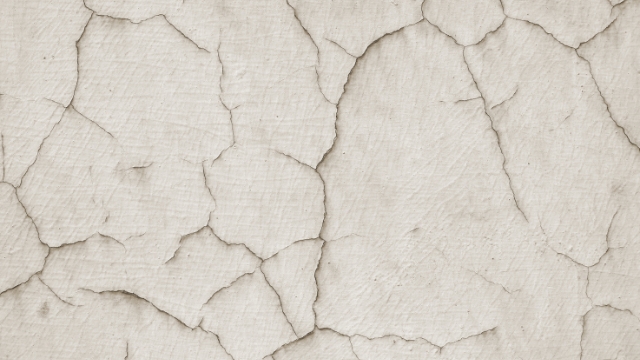
Homeowners find a tiny crack and decide to leave it until later. When moisture enters under paint, it will cause either peeling, bubbling, or wood deterioration. During a residential home painting, check for:
- Corner of windows
- Door frame areas
- Connections of weatherboards
- Fascias
- Exterior trims
They all shift slightly due to contraction and expansion of the house structure because of temperature changes. Fixing it now will be easier than leaving it for another year.
Taking a Project Bigger than Expected
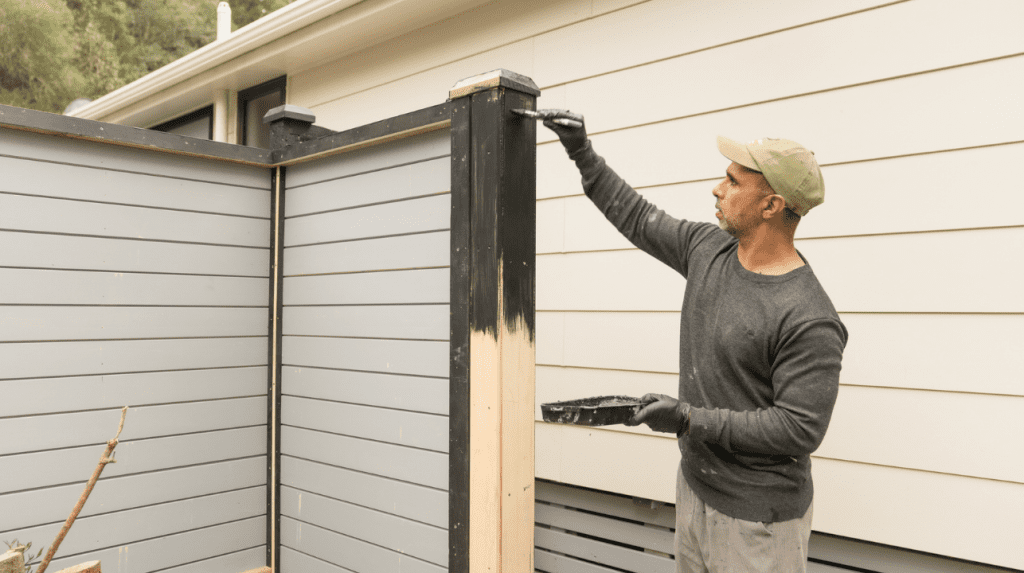
There’s a real difference between painting a bedroom on a Saturday and tackling a two-storey weatherboard exterior with scaffolding involved, or an older home where there might be lead paint under the surface. This aspect tends to be underestimated, leading to one of two possible outcomes: a messy, unfinished job or even something dangerous.
If height, major repairs, or older paint are factors that you have to deal with, it might be a good idea to employ a person who has dealt with this before, rather than learn about it the hard way. Get the timing, the prep, and the materials right, and the paint will do its job for years. Skip any of it, and you’re just buying yourself a repaint sooner than you’d like.
RNF Construction handles residential home painting around Auckland and works around exactly these issues day to day. Every project begins with a detailed assessment so the condition of the home is understood before painting starts.
FAQs
How often should one paint the house?
This depends on the state of the surface, quality of paint used, and weather exposure. In most cases, homes in Auckland need to be regularly checked for anything that might require full painting of the home.
Why is it important to clean the house before painting?
Cleaning will ensure that all the dirt, mold, and other materials are removed from the surface, which will ensure that the paint lasts longer.
Should one paint the house without repairing the cracked surface?
It would not be a good idea to do so. They might be hidden temporarily by the paint.
Does every house need primer?
Not always. Painted surfaces in good condition do not require it, but bare timber, fresh plastered surfaces, and any repaired surface require it.
Why do certain paints come off so fast?
Lack of preparation is one of the most common causes. Loose paint, moisture, dirt, and damaged surfaces may all affect new paint
Is spring the best time for exterior painting?
Spring and summer seasons are quite popular due to favorable temperatures. However, it depends on other factors like temperature, humidity, and rainfall.
Are small repairs possible before painting?
Yes. Many painters fix cracks, damage to wood, and other minor surface defects before painting to achieve better results in the end.
What should I look for in a Residential Home Painting contractor?
Among those things that you might want to check out are experience, great communication skills, good surface preparation, top-notch materials, and people who would like to examine your home before painting.