

A homeowner in Island Bay called for what they thought would be a simple repaint. From the street, the house looked fine. A bit of fading, nothing unusual for a coastal home.
The painter started prep work on the side wall. When a loose section of paint was scraped back, one weatherboard felt soft. That small section changed everything.
What looked like a repaint turned into repair work before any painting even started. This is how most hidden costs begin with exterior house painting wellington jobs in coastal suburbs. Not with obvious damage, but with one small weak spot that leads to something bigger underneath.
What a Single Year Does to a Wellington Coast Home?
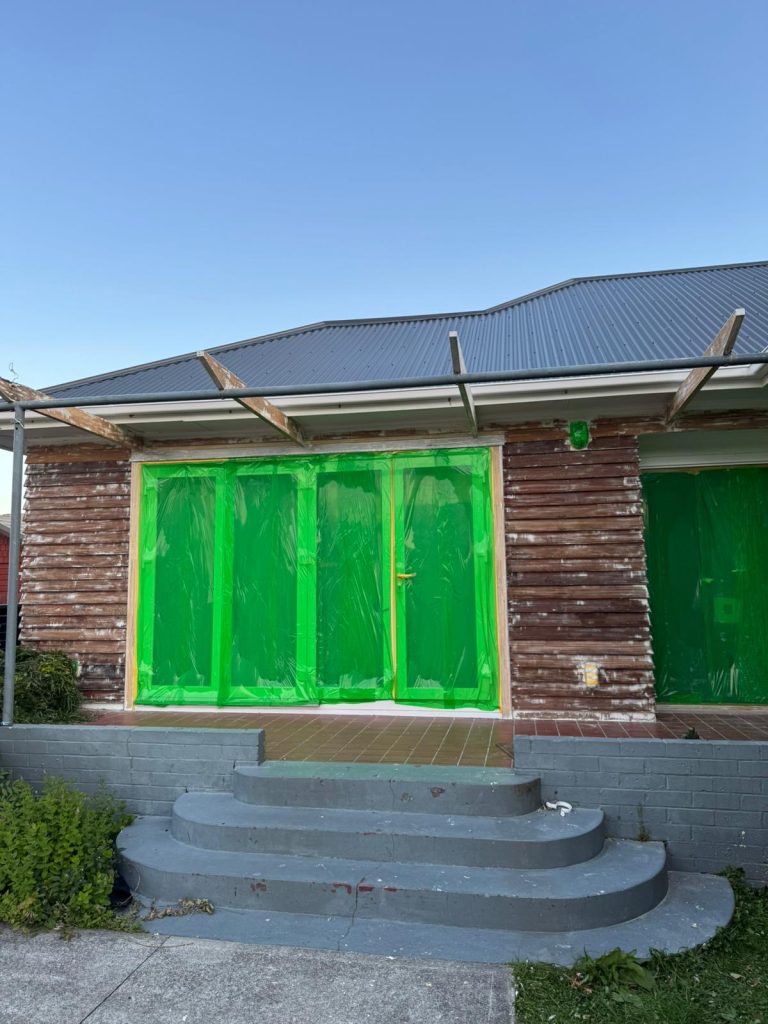
A homeowner in Seatoun once said they would “wait another summer” before repainting.The house still looked acceptable at the time. No major peeling. No obvious damage. A year later, the difference was noticeable.
The same walls now had more fading. Small cracks had opened up near window edges. Some areas started holding moisture longer after rain. Nothing dramatic on its own.
But together, it meant more preparation work before painting could begin. In coastal Wellington, exterior surfaces do not age evenly. Salt air, wind, and UV exposure work on the surface every single day.
That is why delaying exterior house painting wellington projects rarely means saving money. It usually shifts cost into repairs later.
Most Damage Starts Where You Cannot See It
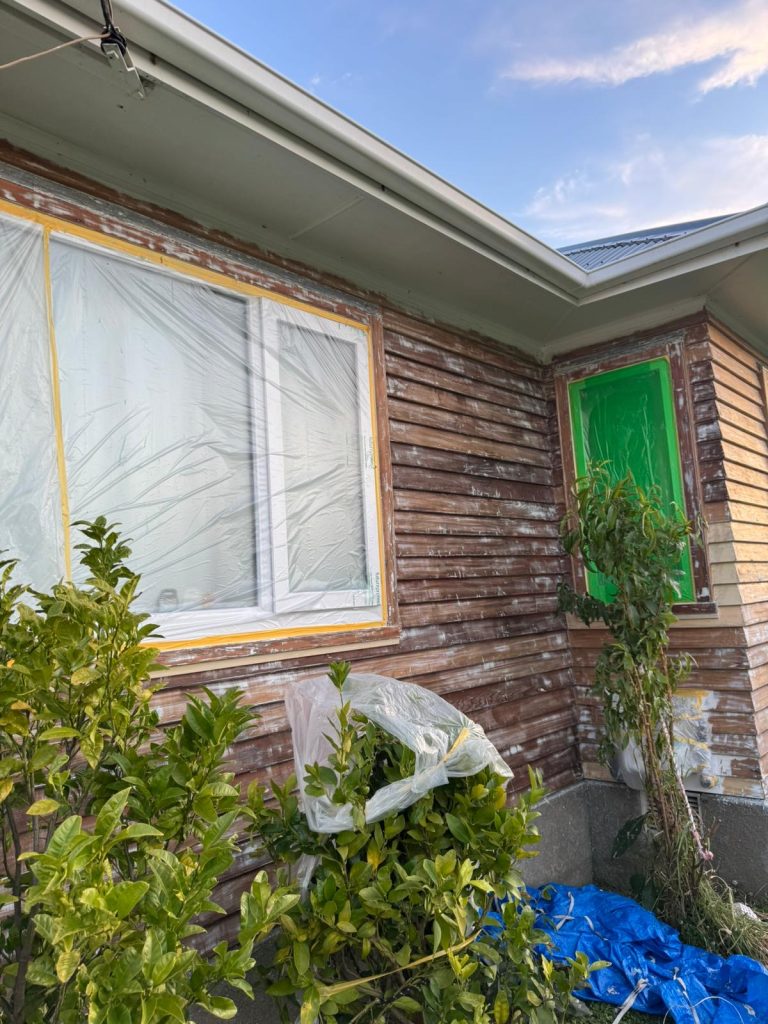
One of the hardest parts of exterior maintenance is this. The surface can look fine while the problem builds underneath. A wall might appear solid from the driveway. Fresh enough. No peeling. No warning signs. Then sanding begins.
And hidden moisture or softened timber is found behind what looked like a stable surface. Painters see this often in suburbs like Lyall Bay and Petone where weather exposure is constant.
By the time damage is visible, it has usually been there for longer than the homeowner realises.That is the part most people miss when thinking about exterior house painting wellington timing.
The $500 Fix That Turned Into a Bigger Job
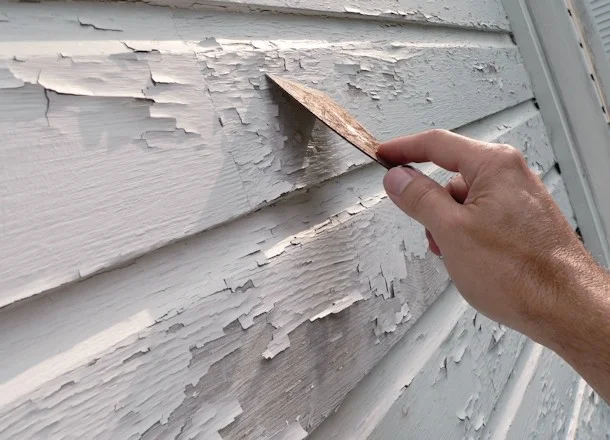
A painter working in Eastbourne recently shared a job that started small. The homeowner only wanted a refresh before selling. During prep, one weatherboard was replaced. Then another section showed signs of moisture damage.
What started as a standard repaint became a repair-heavy project. Not because anything went wrong during the job. But because the surface had been left too long between maintenance cycles.
The paint was no longer protecting the timber underneath properly. This is where the hidden cost shows up. Not in paint. In repair time.
Coastal Weather Never Gives the Surface a Break
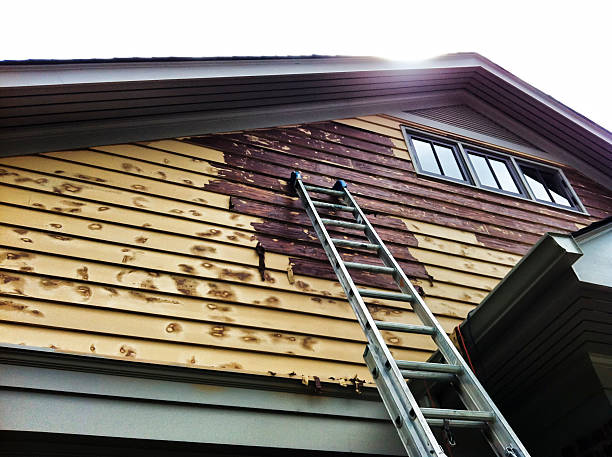
- Wind pushes rain into joints.
- Salt sits on surfaces after storms.
- UV exposure breaks down coatings over time.
- Then winter adds long wet periods where moisture does not fully dry out.
A painter in Lower Hutt once described it simply:
“The weather here does not let the house recover.”
That is why exterior house painting wellington work is not about home looks in these areas. It is protective maintenance.
Small Failures Are Rarely Small for Long
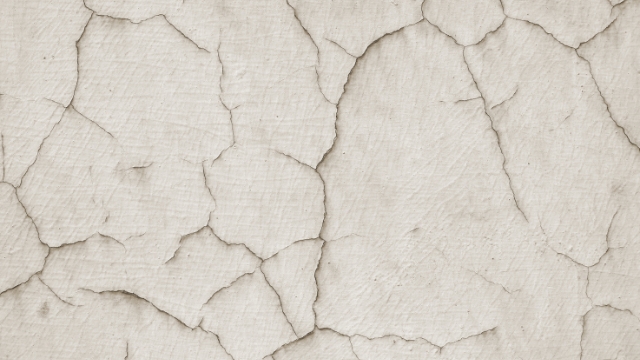
Paint rarely fails all at once. It starts in small ways.
- A corner that chips.
- A window edge that cracks.
- A patch that looks slightly dull compared to the rest.
Most homeowners ignore these signs at first. Life gets busy, and the house still looks “mostly fine.” But paint is not just colour. It is a barrier.
Once that barrier breaks in a few places, moisture finds its way in. Over time, those small points become larger repair zones. That is where delay becomes expensive.
What Painters Check Before Homeowners Notice Anything?
Experienced painters often spot issues before homeowners see them. During inspections for exterior house painting wellington projects, they usually look for:
- Soft spots in timber
- Hairline cracks near joints
- Moisture staining under eaves
- Flaking around window frames
- Faded or chalky surfaces
Homeowners often say they “didn’t notice anything wrong.” That is normal.
The early stages of exterior wear are subtle. They only become obvious once preparation work begins.
The Real Cost Is Not the Paint
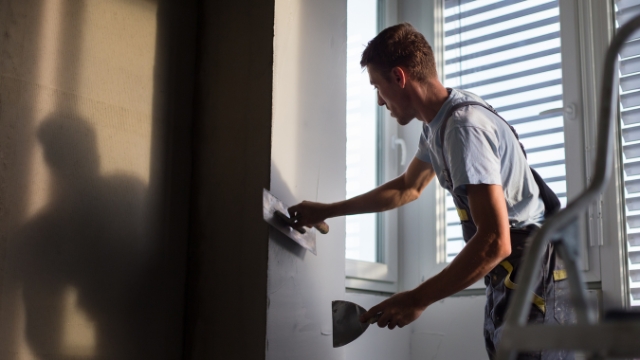
Most people think repainting costs are driven by paint. In reality, paint is usually the smaller part of the job.
The bigger cost drivers are:
- Surface repairs
- Preparation time
- Access (scaffolding or ladders)
- Replacement materials
- Weather delays
When maintenance is delayed, these parts increase. That is why two similar houses can have very different final costs even in the same suburb. The condition of the surface matters more than the paint itself.
Why Some Homes Hold Up Better Than Others?
Not all houses age the same way. Even in the same street, one home can still look solid after years while another needs major prep work.
Painters often trace this back to:
- Exposure direction (sun vs shade)
- Distance from the coast
- Previous paint quality
- Maintenance history
- Ventilation around cladding
A well-maintained surface gives paint a better base to bond to. A neglected surface requires more correction before painting even begins. That difference builds over time.
Why More Homeowners Are Acting Earlier Now?
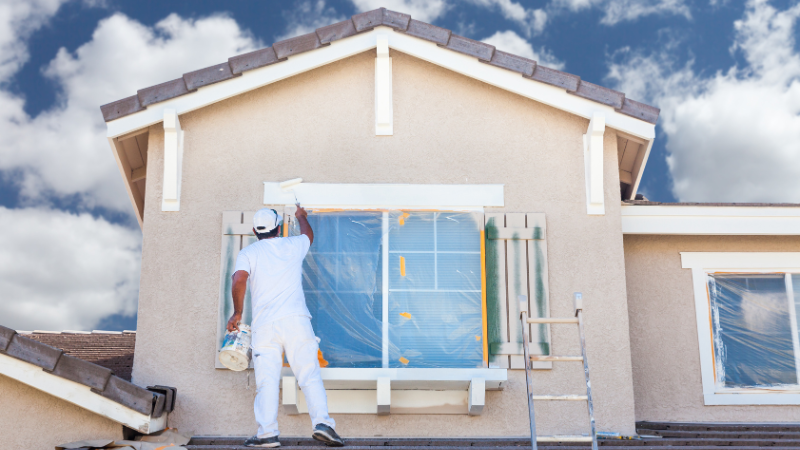
Across Wellington, painters are noticing a shift. Homeowners are booking inspections earlier instead of waiting for visible failure. Not because homes are getting worse faster.
But because repair costs after delay are becoming more obvious. People are choosing to act when small issues appear, not when damage is already visible. That change alone reduces long-term repair work in many cases.
Most exterior painting decisions are not urgent at first. That is why they get delayed. But on coastal Wellington homes, delay has a cost. It just does not show immediately. It shows later when prep work increases, repairs appear, and timelines extend.
Exterior house painting wellington work is less about appearance than most people think. It is about protecting the structure underneath before small issues turn into repairs.
Need a Proper Exterior Check?

If your home is showing fading, cracking, or peeling in coastal Wellington conditions, a professional inspection can help you understand what is just surface wear and what may need repair. You need to hire an exterior house painting Wellington expert to check the house.
RNF Construction provides exterior painting, interior painting, roof painting, plastering, and maintenance services across Wellington and Auckland. The team assesses surface condition first, then advises what level of prep and painting is actually needed before any work begins.
FAQs
How often should a coastal Wellington home be repainted?
Most homes near the coast need repainting every 7 to 10 years. Homes closer to the sea may need it sooner because of wind, salt, and rain exposure.
What happens if I delay exterior house painting Wellington?
Small paint issues can turn into moisture damage over time. This may lead to timber repairs before repainting can start.
Is peeling paint always serious?
Not always. Light peeling can be surface wear, but if it spreads or comes back after rain, it may point to deeper issues.
Why do coastal homes wear out faster?
Salt air, strong wind, and constant moisture slowly break down paint over time, especially in suburbs close to the sea.
Can repainting stop weather damage?
It does not stop weather, but it protects the surface underneath and slows down damage.
How do painters check for hidden issues?
They look for soft spots, cracks, bubbling paint, and moisture marks. Some problems only show during prep work.
Is early repainting cheaper?
Usually yes. Early work often means cleaning and repainting only. Waiting can add repair costs
What is the first sign a house needs repainting?
Fading colour and small surface cracks are usually the first signs.