

Some houses just hold too much heat. Auckland painters are seeing this more often in 2026. Rooms upstairs feel fine in the morning, then become warm and heavy in the afternoon. The insulation is fine. The layout has not changed. The issue is usually outside.
When Auckland painters inspect these homes, the roof and sun-facing walls are often absorbing too much heat during the day. Standard paint may still look good, but it is no longer helping with heat control.
This is where heat-reflective paint is being used more often.
What does Heat-reflective Paint actually do?
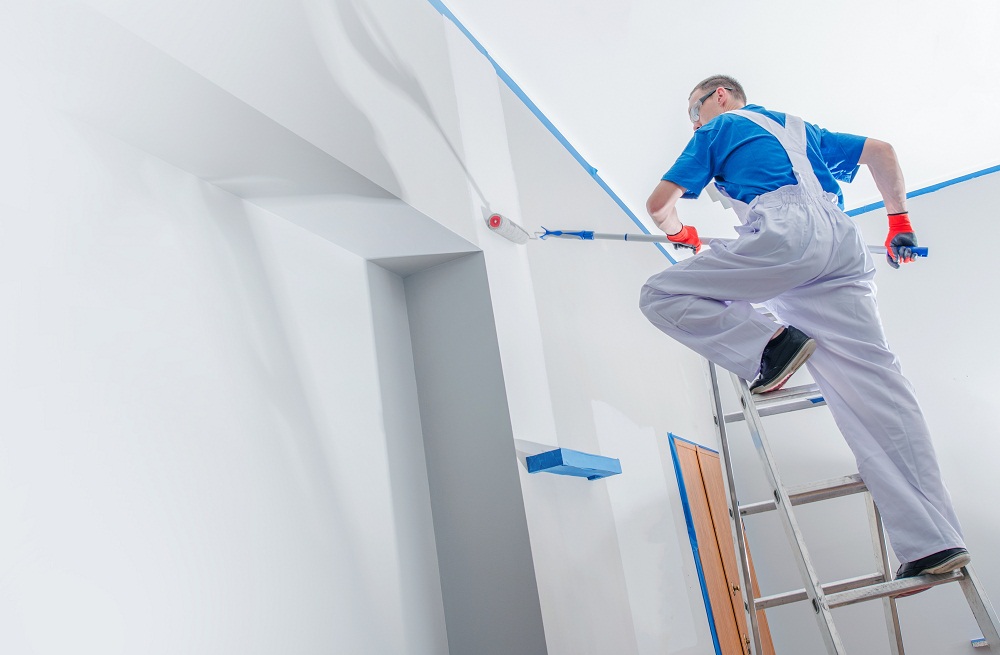
Heat-reflective paint is designed to reduce how much solar heat a surface absorbs. Normal exterior paint absorbs sunlight and transfers that heat into the material underneath. Heat-reflective coatings change that behaviour.
Simple breakdown:
- Standard paint absorbs more heat
- Heat-reflective paint reflects more sunlight away
- Less heat enters the surface underneath
This results in lower surface temperatures during strong sun exposure. Many Auckland painters now use these systems on roofs and high-exposure walls.
Why is Heat Build-up more Noticeable in Auckland homes?
Auckland Painters are seeing the same pattern on site. Homes are retaining more heat in summer due to:
- Darker exterior colour choices
- Larger roof areas exposed to sun
- Less shade in newer suburbs
- More upper-level living spaces
Even when air temperature is moderate, exterior surfaces can reach much higher heat levels under direct sunlight. That heat transfers slowly inside the building during the day.
Roof Surfaces show the Biggest Difference
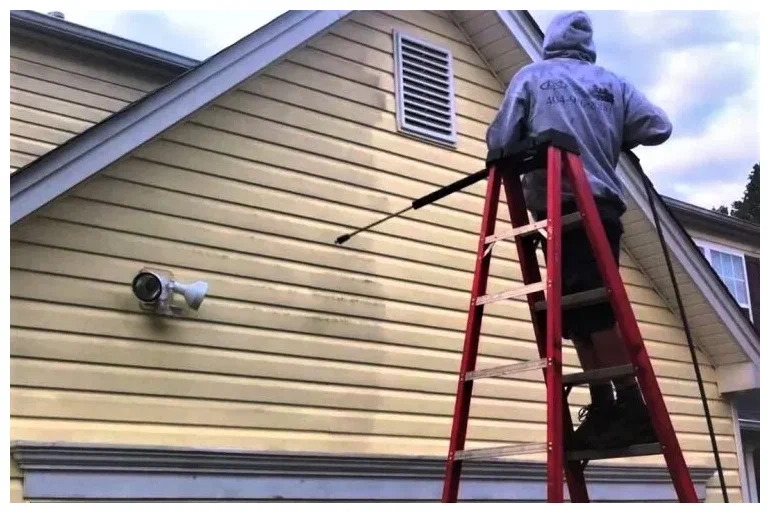
Roofing is where heat-reflective coatings make the most impact. Auckland painters often deal with roofs first when heat issues are raised. Heat reflective paints make your roof cooler during summer.
During hot days:
- Roof sheets absorb strong sunlight
- Heat builds up across the surface
- Temperature stays high even after sun moves
With heat-reflective systems:
- Less heat is absorbed
- Roof surface temperature reduces
- Heat transfer into ceiling spaces slows down
This is why Auckland painters often recommend reflective coatings for roofing before wall surfaces.
Where Heat-Reflective Paint is Most Effective?
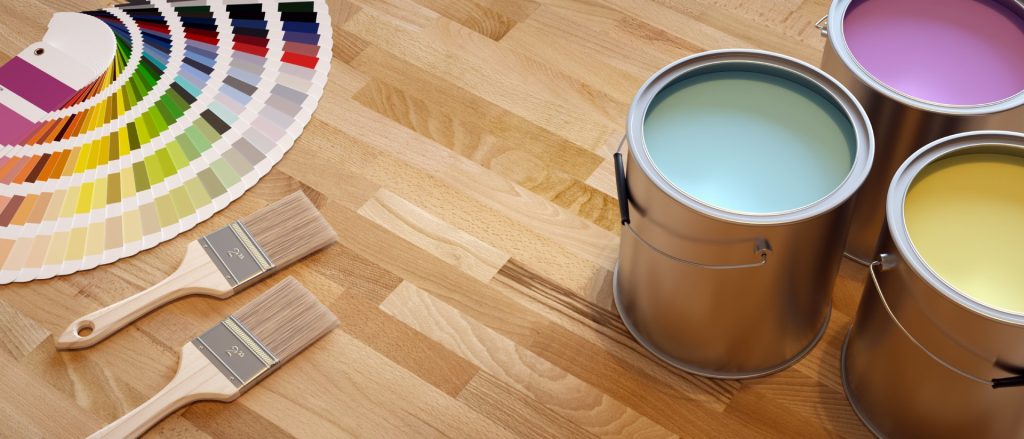
It is not required on every surface. It is most effective on:
- Roofs with full sun exposure
- West-facing exterior walls
- Upper floors under roof spaces
- Homes with dark colour schemes
- Properties with minimal natural shade
In shaded or cooler areas, the difference is limited. This is why Auckland painters always assess exposure before recommending it.
Colour Still has a Strong Impact
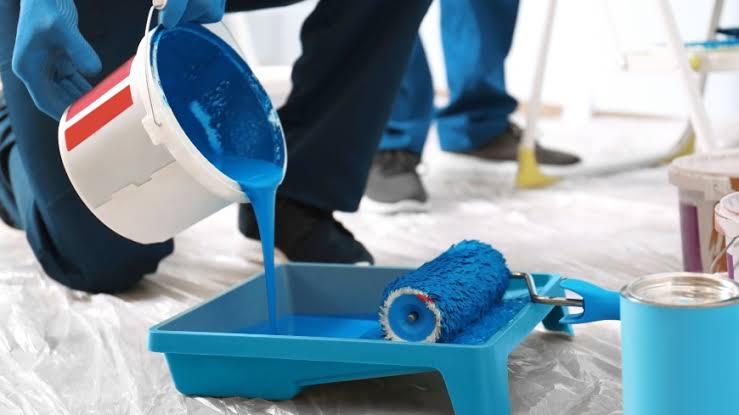
Even with reflective coatings, colour still affects heat absorption.
General rule:
- Light colours reflect more heat
- Mid tones balance heat and appearance
- Dark colours absorb more heat
Heat-reflective paints improve performance, but they do not remove the effect of colour choice. This is why paint selection is never just about product type. It is always coating plus colour working together.
What is Observed during Surface Preparation?
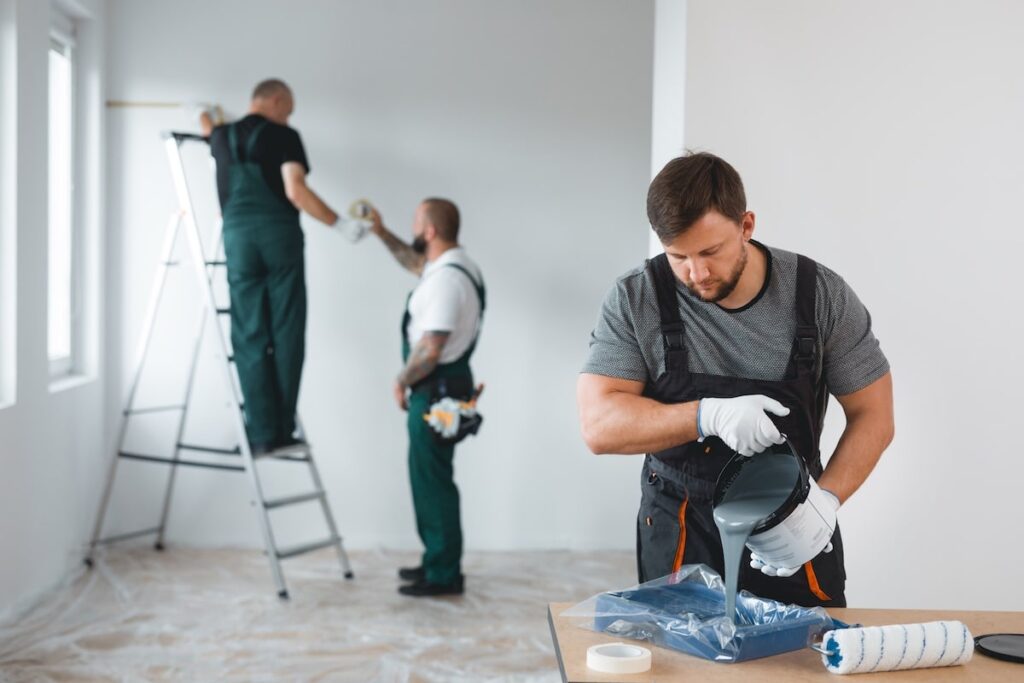
Before painting, surface conditions already show heat impact.
Common site observations:
- Roof surfaces holding warmth late into the day
- West-facing walls heating quickly in sun
- Shaded areas staying significantly cooler
- Older coatings breaking down faster in exposed areas
These conditions help determine if heat-reflective paint is suitable.
What Changes after Application?
After heat-reflective paint systems are applied, common outcomes include:
- Reduced surface heat on roofs
- Slower heat transfer into ceiling spaces
- Lower intensity of heat in upper rooms
- More stable indoor temperature during peak sun
The change is gradual and depends on exposure, insulation, and colour.
Why is this Paint Used More in 2026?
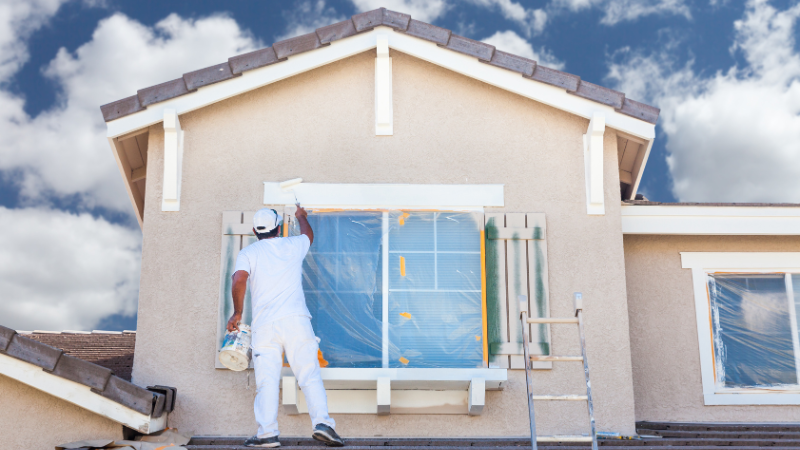
Heat-reflective coatings are becoming more common because:
- Auckland homes are using more modern dark finishes
- Roof designs have larger exposed surfaces
- Suburbs have less natural shading
- Summer sun exposure feels stronger on buildings
Heat-reflective paint does not replace insulation or ventilation systems. It reduces how much heat a surface absorbs from direct sunlight. In Auckland conditions, that helps control surface temperature on roofs and walls during strong summer exposure. For many properties, this improves comfort during hot periods without structural changes.
FAQs
Does this paint actually make a house cooler inside?
Not really in a direct way. What it does is slow down how fast the house heats up during the day. So instead of rooms getting hot quickly in the afternoon, the rise feels more gradual.
Where does it actually make sense to use it?
Mostly on roofs. That’s where the biggest heat builds up. After that, west-facing walls or anything getting long afternoon sun. Other areas usually don’t show much difference.
Can it be done during a normal repaint?
Yes, it usually is. It is not treated as a separate job. It just gets added into the exterior system once the surface is cleaned and ready.
Is colour still important or does the coating take over?
Colour still matters a lot. Even with reflective paint, a dark colour will hold more heat than a light one. The coating just reduces how much gets absorbed overall.
Do older houses use this too or just new builds?
Older houses actually use it more in some cases. Especially when roofs are being redone after years of weather exposure. It is not tied to age at all.
Will this replace insulation work?
No. It sits outside that. Insulation deals with heat inside the structure. This works on the surface before heat gets in.
Does every Auckland house need it?
No. Some homes barely benefit from it, especially shaded ones. It really depends on how much sun the house is taking during the day.