
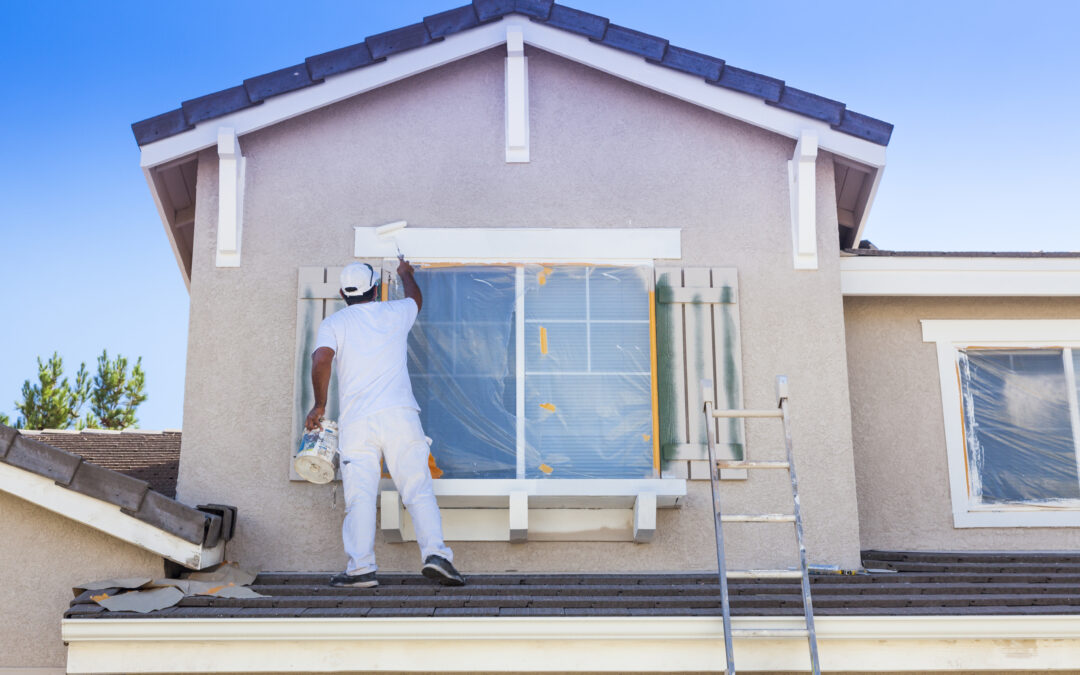
Wellington doesn’t make exterior painting easy. The weather shifts a lot. A dry morning can turn into wind and rain by the afternoon. That alone changes how paint behaves on a wall. Most exterior paint problems around Wellington don’t start with bad paint. They start with timing. Paint goes on a surface that has some shrinkage after having been applied, or rain comes along to ruin the drying process.
Homes near the coast feel it even more. Salt sits on walls over time. You don’t always see it, but it slowly breaks down paint. That’s why Exterior House Painting Wellington work is rarely about picking a date on the calendar. It’s more about watching the weather closely for a stable run of days.
Why Timing Matters More in Exterior House Painting Wellington?
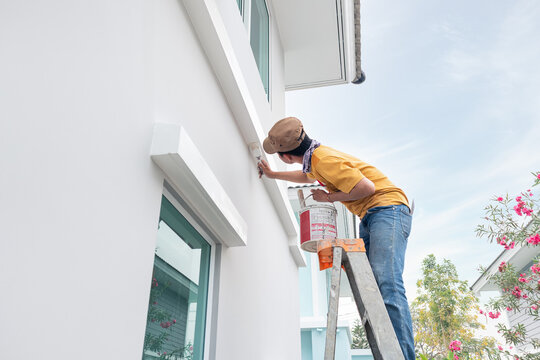
Exterior paint needs a few things to go right:
- a dry surface
- mild temperature
- low wind
- no sudden rain
When paint is applied to a damp wall, it might end up looking good for a short period of time. Problems usually show later. Bubbling, peeling, or uneven fading often starts a month after the job. That delay is what makes timing so important for Exterior House Painting Wellington projects.
Spring
Spring is a common time for people to start thinking about exterior painting. Winter leaves marks behind. You see moss, stains, and peeling sections that weren’t as visible earlier. But spring is mixed. Some weeks are dry, others are wet and windy. That makes planning harder than expected.
Painters often use spring for prep work:
- washing walls
- fixing cracks
- scraping loose paint
Full painting usually waits for a better dry stretch. So even in spring, Exterior House Painting Wellington jobs don’t always move straight into painting. Preparation often takes priority. The results of the process depend on the events that take place before the paint application and during the time immediately following the application of paint.
Summer
Summer gives longer dry periods. That helps a lot. Paint dries faster, and crews can work more consistently. But there’s a catch. Direct sun on walls can be too strong. The paint will dry too fast on the wall surface when the wall reaches high temperatures. The paint’s ability to stick to the underlying surface will be impacted by this weather condition.
You’ll often see painters moving around the house during the day instead of working one full side at once. They follow the shade rather than just the time schedule. Even in summer, Exterior House Painting Wellington work still depends on how each wall reacts during the day.
Early autumn
The period of early autumn provides one of its most balanced weather conditions. The temperatures decrease slightly, and the summer sun loses its harshness during this time. The dry weather continues to occur, but its duration has decreased to shorter periods. The situation requires people to complete tasks within tighter time constraints.
The team must begin their work immediately when the weather conditions permit. Homeowners prefer this period because it provides more stability than spring. Some homeowners choose to wait until summer to eliminate the possibility of rain disrupting their plans. The timing of Exterior House Painting Wellington projects between early autumn remains uncertain because workability exists, yet results remain unpredictable.
Winter
Winter in Wellington is mostly about moisture. Surfaces stay damp for long periods. Even when the rain stops, walls don’t always dry quickly.
Cold air also slows how paint sets. Moisture can still exist beneath a dry-looking surface.
That’s where problems start later:
- peeling paint
- soft patches
- bubbles under the surface
Because of that, full exterior painting jobs are less common in winter unless there’s a rare dry stretch. Most Exterior House Painting Wellington work is planned outside of winter for this reason.
What Gets Done Before Painting Starts?
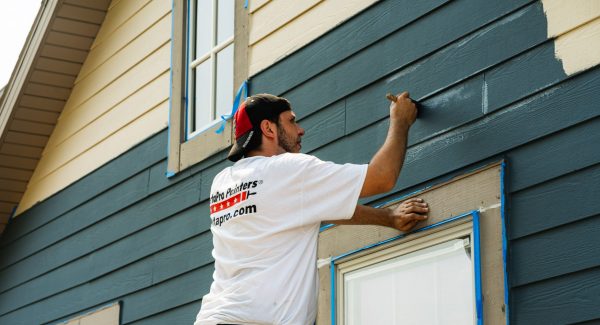
Good exterior painting is mostly preparation.
Before any colour goes on the wall, a few things usually happen:
- washing down dirt and dust
- removing loose or flaking paint
- checking cracks around windows
- sanding rough areas
- applying primer where needed
Older Wellington homes often need more prep. Layers of old paint can hide small damage underneath. If those issues are not fixed first, even good paint won’t last as long. This is one of the most important parts of Exterior House Painting Wellington work, even though it’s not the part people usually notice.
Moisture: A Hidden Issue
Moisture is one of the biggest hidden issues in exterior walls.
A wall can look dry on the outside but still hold dampness inside older layers. The moisture is inside the wall when new paint is applied over it. It creates pressure, which leads to the following outcomes:
- bubbling
- peeling
- uneven texture
This is why surface checks matter before painting starts. The experienced exterior painters of Wellington need to evaluate moisture conditions and wall problems before they start their work on older houses which typically contain concealed areas of dampness. This step is often more important than the paint brand itself.
Signs a House is Ready for Repainting
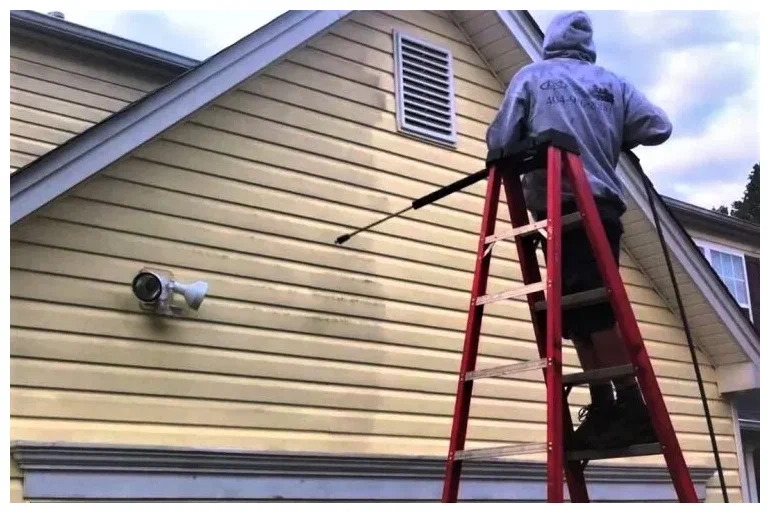
Most homes show warning signs before paint fully fails.
Common ones include:
- fading colour on sunny sides
- small cracks near edges and joins
- peeling around window frames
- chalky residue when you touch the wall
- dark patches after rain
These signs usually appear slowly over time. Not all at once. Once they show up, it usually means the surface has already been exposed to weather stress for a while. That’s the point where Exterior House Painting Wellington work becomes worth planning.
Choosing the Right Time for your home
There’s no single “best month” that works for every house in Wellington. Two houses on the same street can behave differently depending on:
- sunlight exposure
- shade from trees or buildings
- wind direction
- how much moisture the walls hold
That’s why timing is more about reading conditions than following a fixed season. A good painting window usually looks like:
- several dry days in a row
- low wind
- stable temperatures
- fully dry walls before starting
That’s when Exterior House Painting Wellington results tend to hold up better over time.
Final thoughts
Exterior painting in Wellington is always tied to the weather. Not just temperature, but wind, moisture, and timing between rain cycles. The weather conditions require assessment of multiple factors, which include temperature and wind conditions, moisture levels, and the rain cycle. The three seasons of spring, summer, and early autumn all provide workable conditions. The winter season typically presents the most difficult conditions for completing exterior construction work.
What matters most is simple: dry walls, stable weather, and proper preparation before paint goes on.When those conditions line up, Exterior House Painting Wellington work tends to last longer and handle local weather much better.
FAQs
Can you paint in winter?
Winter walls stay damp longer than people think, even when it looks dry outside. That’s where problems start later on with paint not sticking well. Small repairs can still be done if the weather lines up, but full exterior work usually waits
Why is Wellington’s weather such a problem for exterior paint?
The process of paint drying and its ability to stick to surfaces depend on wind conditions, rainfall patterns, and changes in humidity levels. When unexpected weather changes occur, they will decrease the durability of paint, which protects unprepared surfaces
How do I know my house actually needs repainting?
You will typically see it before any major event occurs. Commonly visible faded color appears together with window areas that experience peeling damage. The wall begins to develop a “chalky” appearance when you touch it. The entire process does not occur simultaneously. The process slowly establishes itself.
What goes wrong if painting is done on a damp wall?
The initial situation appears completely normal. The difficult aspect of the situation lies in its execution. The surface begins to show bubbling and peeling paint activities, which develop as time progresses. The process occurs because moisture beneath the surface forcefully escapes. The paint loses its ability to stick properly after the initial stage begins.
How long should exterior paint last around Wellington?
Home paint can last between 7 and 10 years, which constitutes its normal lifespan. Home maintenance extends the lifespan of some houses, while others require repairs because of their exposure to strong winds and salt.
Do all parts of a house various sections of a house experience different rates of aging?
No, the first side of the home experiences constant sunlight throughout the day, which causes materials to fade at an accelerated pace. The second side maintains wet conditions because it lacks complete drying abilities throughout its entire duration.
When is the best time to paint a house outside in Wellington?
There is no month that can be considered perfect. Most painters here just wait for a decent run of dry days. Spring and summer usually provide better chances to paint outdoors, although the weather can change rapidly during those seasons.