

If you have ever typed “painters Wellington” into Google, you already know the problem. You will get a long list of options that all sound similar. Everyone claims they are “reliable,” everyone has “great reviews,” and everyone can “start next week.”
But once the job begins, the difference between a professional painter and an amateur becomes painfully obvious. The finish looks uneven in the afternoon light. The edges bleed. The prep was rushed. The paint starts failing earlier than it should. And suddenly what looked like a simple refresh becomes a slow, expensive annoyance.
This guide will help you spot the difference before you hire anyone, so your home (or building) ends up with the crisp, durable finish you were picturing.
Why “Wellington painting” is its own kind of challenge
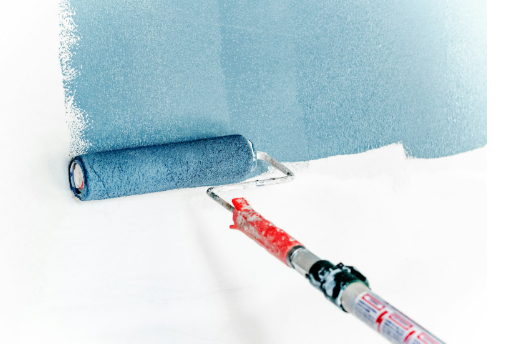
Wellington’s weather can be dramatic, and that matters. Wind, salt air near the coast, sudden rain, and big temperature shifts can punish exterior paint systems. Even interiors can suffer if moisture management is ignored, especially in older homes.
That is why real pros focus less on “how fast can we paint it” and more on “how do we make it last here.” A professional approach, such as that offered by RNF Construction, is built around choosing the right system for the surface and conditions, not just choosing a colour.
The biggest difference starts before a single drop of paint
Amateurs often treat painting as the “final step.” Professionals treat it as a process with stages: assessment, protection, preparation, repairs, priming, coating, finishing, quality control, and handover.
If you want a quick litmus test, ask any painter: “Walk me through your prep, step by step.”
A pro will give you a confident, specific answer without getting defensive or vague.
1) Quote quality: a professional quote reads like a plan
A quote tells you how a painter thinks. Amateur quotes are often just a number and a timeline. Professional quotes usually include clear scope, steps, and what is included or excluded.
Look for details like surface areas, prep method, repair assumptions, number of coats, product system, and access requirements. If you see “paint house exterior” with no mention of preparation, primer, or patching, you are looking at a risk.
A professional quote should also help prevent surprise variations later. It does not need to be painfully long, but it should be precise enough that both sides know what “done” means.
2) Prep is not glamorous, but it is the job
In Wellington, paint failures are often prep failures. The best topcoat in the world will not stick properly to chalky surfaces, flaking paint, damp timber, or poorly sanded trim.
Professional prep often includes some combination of washing, mould treatment, scraping, sanding, feathering edges, filling, sealing stains, spot priming, and sometimes full priming. It depends on the substrate, but the mindset is consistent: paint is only as good as what it is sitting on.
An amateur will try to “paint over” problems. A professional will fix them or clearly explain what needs fixing before painting starts.
3) Masking and protection show you the standards instantly

You can usually tell within the first hour on site if the team is professional.
A professional crew protects floors, landscaping, fixtures, hardware, and adjacent surfaces. They mask neatly, similar to how one would mask a watercolor with masking tape, keeping the work area controlled. They prevent overspray and splatter, rather than apologising after the fact.
Amateurs skip protection to save time. That time gets paid back later in mess, damage, and rushed clean-up.
4) Cutting-in and edges: the easiest place to spot a “DIY-level” finish
If you want one simple thing to inspect, look at edges.
Professional work has clean lines where walls meet ceilings, trim, corners, and around fittings. Switch plates go off, not “painted around.” Door hardware is protected or removed, not coated in accidental gloss.
Amateur work often shows wobbly cut lines, paint on hinges, rough brush marks, and inconsistent edges that stand out the moment the sun hits the wall at an angle.
5) Product choices: pros talk in systems, amateurs talk in brands
Good painters do not just pick “a paint.” They select a system: prep method + primer/sealer + undercoat (if needed) + topcoats, matched to the surface and exposure.
For example, exterior timber, plaster, weatherboards, metal, and roofing all behave differently. A professional will explain what they are using and why in plain English.
Amateurs often default to whatever is cheapest or whatever they already have. That is how you get early peeling, flaking, and patchy sheen. To avoid these pitfalls and achieve a professional finish like seen in this cutting-in video tutorial, it’s essential to understand product choices and application techniques.
6) Timing and cure: a pro respects drying windows
A paint job can look fine on day one and fail by month six if drying and curing were ignored.
Professionals pay attention to humidity, temperature, wind, and rain risk. They plan the sequence so coats are applied in proper windows, and surfaces are dry enough to accept paint.
If someone is willing to paint exteriors right before forecast rain, or they are brushing off moisture concerns, you are not dealing with a professional standard.
7) The team structure: who is accountable on your job?
One of the most frustrating parts of hiring the wrong painter is the “no-one is in charge” feeling. You get different people each day, inconsistent workmanship, and unclear communication.
Professional services typically have a clear lead, a consistent crew, and a defined communication rhythm. Many strong companies assign a dedicated project manager so you always know who to contact and what is happening next.
That single detail often predicts everything else: scheduling, cleanliness, quality control, and how problems get handled.
8) Repairs and finishing: pros don’t hide problems under paint
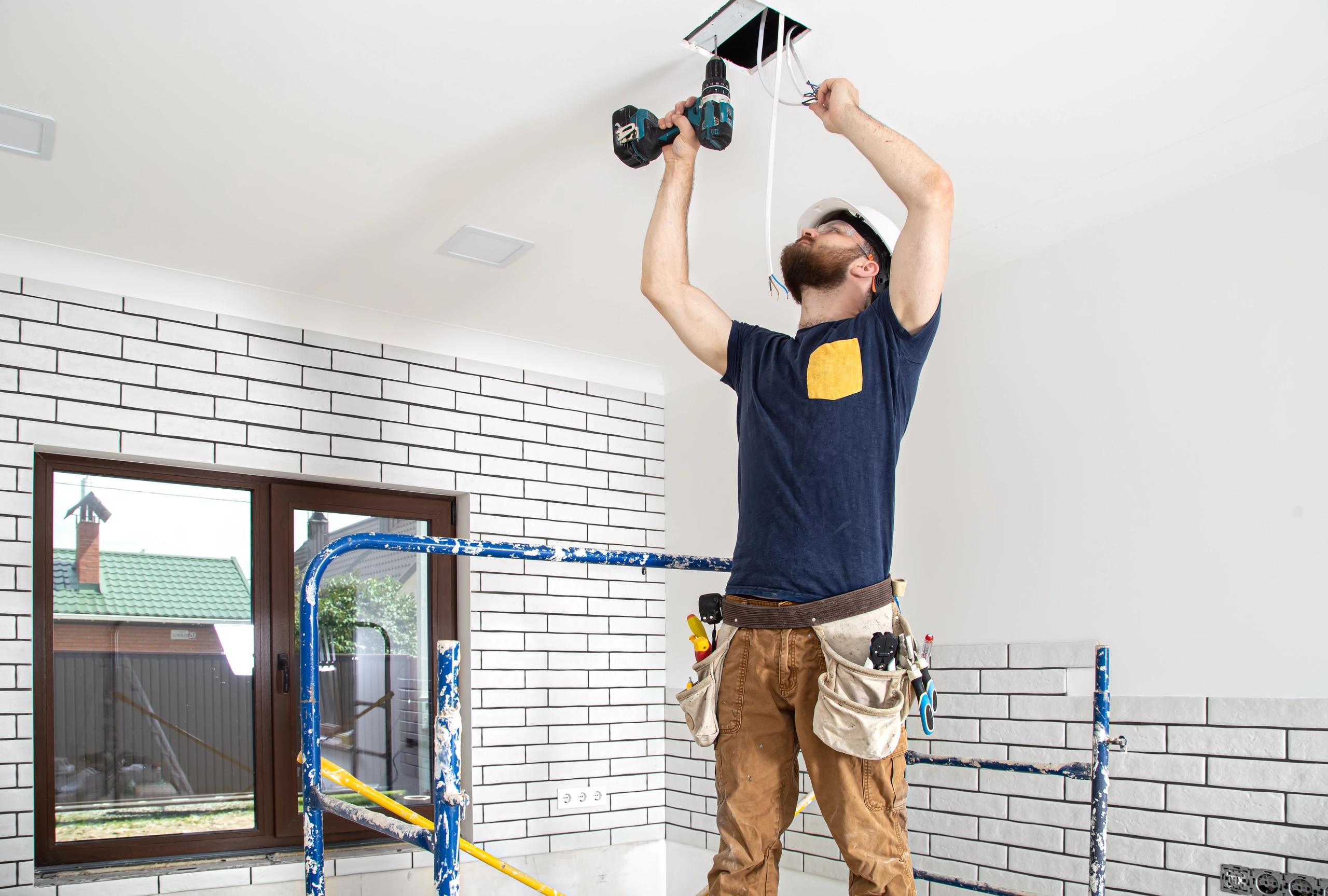
Painting often reveals issues that were easy to ignore before. Small cracks, failing sealant, soft timber, nail pops, old water stains, bubbling, or poor plaster joins.
A professional painter will raise these early, recommend solutions, and document changes if extra work is required. The goal is a finish that lasts, not a finish that simply photographs well.
If the approach is to “just paint it and hope,” you are buying a short-term cosmetic fix.
9) Walkthrough and touch-ups: the end of a professional job is not rushed
A professional job ends with a proper inspection. That means checking the finish in real light, spotting misses, addressing drips, confirming coverage, and making sure the site is left clean.
You should expect a final walkthrough where the painter invites you to look closely, not one where they try to leave quickly and collect payment.
The best companies also offer a touch-up period for those small details that appear once the paint fully dries and the room lighting changes. That is a strong sign they expect high standards and want you happy with the result.
10) Common “amateur tells” Wellington homeowners mention again and again
You do not need to be a painting expert to notice these red flags. If you see multiple items from this list, pause before you proceed:
- The quote is vague and rushed, with no mention of prep, coats, or product system.
- They pressure you to “lock it in today” or ask for odd payment arrangements up front.
- They are casual about surface issues like mould, flaking, moisture, or rotten timber.
- They do not protect floors, furniture, paths, gardens, or fixtures properly.
- The finish has patchy sheen, visible lap marks, rough texture, or messy edges.
Interior vs exterior: what you should be checking for each
Interior painting is where finish quality is most visible because you are close to the walls every day. You want smooth walls, tidy cut lines, correct sheen selection for each room, and proper handling of stains and old patches.
Exterior painting is where durability is king. You want solid prep, correct primers, careful weather timing, and products suited to Wellington exposure. Roof painting and special coatings take this even further, because a mistake there can create expensive maintenance down the track.
If a painter claims to do everything but cannot explain their process for the specific area you are painting, that is a sign they might be out of depth.
A quick way to interview any painter (without making it awkward)
If you want to sound informed without sounding confrontational, ask these kinds of questions in a calm, curious tone:
“What prep do you expect on my surfaces, and what could change that once you start?”
“What paint system are you recommending and why?”
“How will you protect floors, landscaping, and hardware?”
“Who is my point of contact day to day?”
“How do you run the final walkthrough and touch-ups?”
Professionals usually enjoy these questions because it shows you value quality. Amateurs tend to get vague or impatient.
Ready to hire painters in Wellington without the guesswork?
If you want a paint job that looks sharp now and still holds up after Wellington has thrown wind, rain, and salty air at it, the safest move is hiring a team with proven systems, accountable project management, and a proper quality checklist.
At RNF Construction, we do not treat painting like a quick coat and a handshake. We run your job with a dedicated project manager, structured preparation and finishing processes, and a detailed final walkthrough, then we back it with a satisfaction-first touch-up period. If you want it done properly the first time, get a quote from us today and we will walk you through the smartest plan for your home, step by step.
FAQs
How can I tell if painters in Wellington are truly professional?
Look for a detailed quote, clear prep steps like those outlined in this guide, tidy masking and protection, and confident explanations about products and coats. Professionals also do final walkthroughs and handle touch-ups without drama.
Should I choose the cheapest painting quote?
Usually no. The cheapest quote often cuts prep, materials, or coats, which can lead to early peeling and extra cost later. Compare scope and process, not just the final number.
What prep work should I expect before painting starts?
Expect washing or cleaning, scraping flaking paint, sanding, filling, sealing stains, and priming where needed. Good prep is time-consuming but is essential for a smooth and long-lasting finish. For more insights on how to prepare your space for painting, check out this resource.
How many coats should a professional painter apply?
Most jobs need at least two topcoats after proper priming or sealing. Some colours, substrates, or repairs may require extra coats. A professional will specify this in the quote.
What’s the best time of year to paint in Wellington?
Periods with stable weather, low rain risk, and manageable humidity are best. Professionals schedule around drying windows and avoid risky forecasts, especially for exterior and roof painting.
Why does paint sometimes look patchy or uneven after drying?
Patchiness can come from poor prep, inconsistent roller technique, cheap paint, insufficient coats, or painting in bad conditions. A professional checks coverage in real light and corrects issues before sign-off.
Do professional painters help with colour selection?
Many do, and it is worth using. A good consultation considers lighting, room size, existing finishes, and the right sheen for each space, so you do not end up repainting after one season.
What should be included in a final walkthrough?
You should inspect edges, coverage, drips, missed spots, and clean-up. A professional will encourage close inspection, note anything you spot, and complete touch-ups before calling the job finished.