
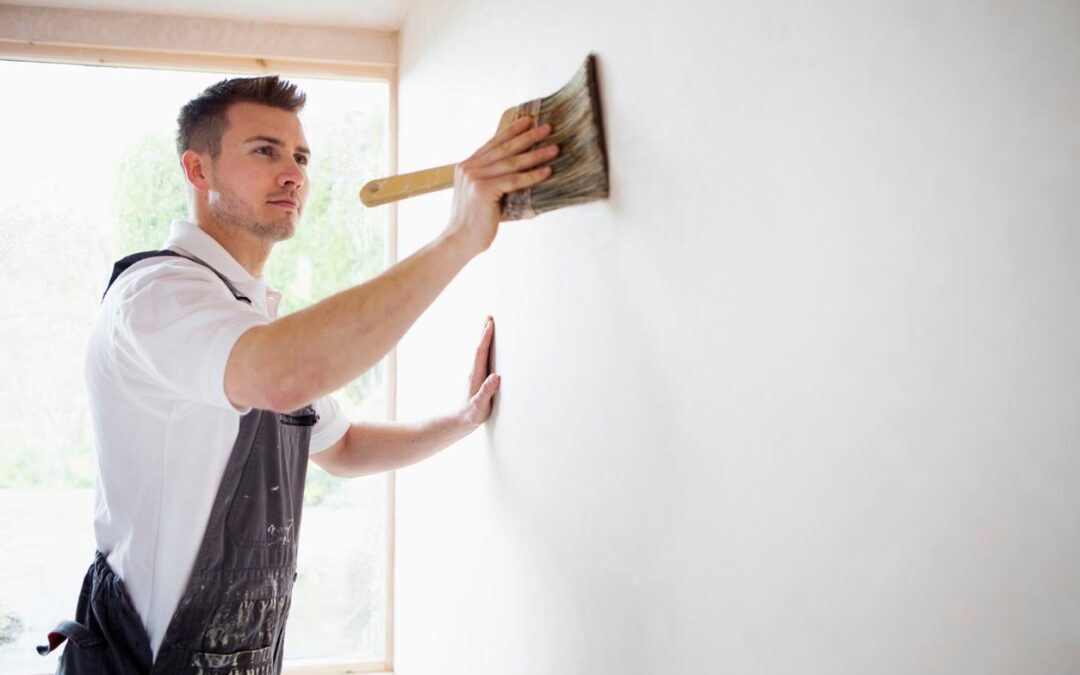
There’s a very specific feeling you get when you walk into a freshly painted room. It looks cleaner, brighter, and somehow more “yours” even if the furniture hasn’t moved an inch. And in Wellington, where homes deal with moody light, coastal air, and plenty of everyday wear and tear, interior painters’ jobs are not just a cosmetic upgrade. It’s one of the fastest ways to make your living spaces feel warmer, newer, and more comfortable.
But here’s the thing most homeowners only learn after a bad experience: interior painting is not simply “put paint on walls.” The best interior painters treat it like a proper system, from preparation to product choice to the final walkthrough. That is exactly how they bring life back into living spaces, especially in busy family homes, rentals, apartments, and character villas across Wellington.
In this guide, I’ll walk you through what professional interior painters actually do, why it matters in Wellington’s conditions, what results you can expect, and how to choose a team that delivers a finish you will still be happy with years from now.
Why interior painting changes a home more than you expect
When people think about renovating, they usually jump straight to kitchens, bathrooms, and big-ticket upgrades. Painting feels “small” in comparison, which is funny because it influences almost everything you see and feel indoors.
A good paint job can make ceilings feel higher, rooms feel wider, and dark corners feel less gloomy. It can also bring consistency to a home where every room has slowly become a different shade over time. Even the way your curtains, flooring, and artwork look can improve because paint changes how light bounces around the room.
And in Wellington specifically, light can shift dramatically throughout the day. A colour that looks perfect at midday might feel cold at 4 pm when the southerly comes through. Experienced interior painters understand this, and they plan colours and finishes with your home’s orientation and natural light in mind, not just what looks good on a tiny swatch.
Wellington homes have their own set of painting challenges
Interior painting in Wellington is not the same as painting in a consistently dry, warm climate. Coastal air, salt, wind, and humid winters can all show up in subtle ways inside the house too, particularly in bathrooms, kitchens, laundries, and older homes with limited ventilation.
Professional interior painters in Wellington regularly deal with:
Condensation marks around window frames, minor mould spotting in corners, and water staining from small leaks. They also see flaking or peeling paint in older villas where previous layers were not properly sealed or the surface was never prepared correctly. And then there is plasterboard movement and hairline cracking, which is common as houses settle and the seasons change.
The “life” painters bring is not only colour. It is the restoration work that happens before the colour goes on, so the walls look smooth, the finish lasts, and the paint performs properly in each room.
The real value of prep work (this is where great painters win)
If you ever wonder why one quote is higher than another, the answer is usually preparation. Prep is not glamorous, but it is the difference between “looks good for a month” and “still looks good years later.”
Professional interior painters typically spend significant time on:
Surface cleaning to remove dust, cooking residue, hand marks, and any grime that stops paint from bonding properly. They patch dents, fill nail holes, repair minor plaster damage, and address cracks so you are not painting over problems. They sand to level repairs and feather edges, then seal patches so the final coat looks even and doesn’t flash.
In Wellington homes, bathrooms and laundries often need targeted prep such as mould treatment and moisture-resistant primers, especially if the space has poor airflow. In living areas, the focus is usually on achieving flat, smooth walls that look great in both daylight and evening lighting.
The best part is that good prep work makes the whole space feel more premium, even if you chose a simple colour.
Colour selection: how painters help you avoid expensive regret
Choosing interior colours sounds fun until you realise how many whites exist, and how different they look depending on your flooring, your lighting, and your ceiling height. In Wellington, this is even more noticeable because natural light can be cool, especially in south-facing rooms.
Experienced painters (and painting companies that offer colour support) help you choose colours and finishes based on how you actually live in the space. They consider things like:
If you have kids or pets, you might want a washable low-sheen finish in hallways and living areas. If you have a small room that feels dark, they might recommend a lighter tone with better light reflectance, and pair it with a ceiling white that does not dull the space. If you are repainting to sell, they may guide you toward clean, modern neutrals that photograph well and appeal to buyers.
This is where a free colour and project consultation can make a big difference. You are not just picking a trendy shade. You are choosing the overall feel of your home.
Finishes matter more than most people realise
A lot of people focus entirely on colour, but the paint finish is what determines how the walls look in real life, and how they handle daily wear.
In simple terms, flatter finishes hide wall imperfections better but can mark more easily. Higher-sheen finishes are tougher and easier to wipe, but they show more bumps and patching if the wall is not prepared well. A professional interior painter will guide you room by room. For example, bathrooms usually need a moisture-resistant system and a finish that can cope with steam and cleaning. Kitchens often benefit from durable, wipeable paint because cooking oils and splashes happen. Bedrooms can work beautifully with softer finishes that create a calm look and feel.
When painters get this right, your home does not only look better on day one. It stays looking good in the places that get touched, bumped, cleaned, and lived in. For more information about choosing the best paint sheen or finish for different rooms in your house, refer to this designer guide.
What a professional interior painting process looks like (in real homes)
Many homeowners imagine painters arrive, roll some paint, and leave. In reality, a professional team follows a process designed to protect your home, keep the job controlled, and deliver a consistent finish.
While every project is different, the typical interior painting flow looks like this:
First, they protect your floors and furniture, and set up the space so sanding dust and paint don’t spread. Next comes surface prep, including filling, patching, sanding, sealing, and spot-priming. Then they apply the appropriate primer system if needed, followed by top coats, usually in two coats for consistency and durability. Finally, they clean up properly and do a detailed final inspection.
The difference you feel as a homeowner is huge. A structured system creates fewer surprises, clearer timelines, and a finish that looks even from every angle.
How interior painters “bring life” to each room (not just repaint it)

Let’s get practical. Here is how professional interior painting transforms the most lived-in spaces in Wellington homes.
In living rooms, the biggest impact is often light. Painters can brighten a space by shifting to a cleaner white, warming up a room with soft neutrals, or creating contrast with a feature wall that anchors the furniture layout. They also fix the high-visibility imperfections you see every day, like scuffed corners, worn edges around doorways, and patchy touch-ups from years past.
In hallways and entryways, the focus is durability and neat cutting lines. These areas take the most abuse, so a professional painter will typically recommend finishes that can handle regular cleaning. Crisp edges around trims and doors make the whole home feel more “finished,” even if nothing else changes.
In kitchens, great painters understand that the walls are not the only story. The wrong paint system near cooking areas can stain quickly, or start to look dull where it gets wiped often. The right system handles cleaning without losing colour or leaving shiny patch marks.
In bedrooms, painters can create calm and comfort. The right tones make the room feel larger or cozier depending on what you want. And if you have older walls, proper prep plus the right finish can help hide minor imperfections that catch the light.
In bathrooms and laundries, painters bring life by making the space look cleaner and more hygienic, but also by using the correct products. Moisture-resistant primers, mould treatment, and bathroom-rated paints help stop the cycle of repainting again too soon.
The quiet details that separate “average” from “excellent”
Most paint jobs look okay from a distance. The difference shows up when you live with it.
Excellent interior painters pay attention to the parts you do not notice until they are done badly. Smooth transitions where repairs were made. Consistent sheen across a wall. Straight, clean edges at skirting boards and ceilings. No roller splatter on trim. No paint bleeding onto hardware. No rough, dusty finish because the room was not cleaned between sanding and coating.
And one more thing that matters a lot in Wellington: time and scheduling. When a team shows up when they say they will, keeps the project moving, and communicates clearly, the whole experience is easier. This becomes even more important if you are living in the home during the work, managing tenants, or trying to get a property ready for sale.
What to ask before hiring interior painters in Wellington
Choosing painters can feel tricky because most companies say the same things. The easiest way to cut through that is to ask questions that reveal their process and standards.
If you want a quick checklist, these are strong questions to ask before you book:
- What prep work is included (filling, sanding, sealing, priming), and what is considered extra?
- Who manages the job day to day, and how will communication work during the project?
- What paint system do you recommend for each room, and why (especially bathrooms and kitchens)?
The answers tell you whether the team is relying on experience and systems, or just quoting quickly and hoping for the best.
For an insightful perspective on this subject, consider watching this video which delves deeper into choosing the right interior painters.
Why a dedicated project manager makes interior painting smoother
Interior painting often involves more coordination than people expect, especially if plaster repairs, gib stopping, or maintenance work is needed before painting. A dedicated project manager keeps the timeline realistic, ensures prep and painting are aligned, and acts as your main point of contact so you are not chasing multiple people.
It also helps with decision-making during the job. Sometimes you only notice a wall issue once furniture is moved or lighting changes. A good project manager helps you decide the best fix without delaying the project or compromising the finish.
When interior painting is part of something bigger
Many Wellington homeowners start with “just painting” and quickly realise they want the walls to look truly smooth, not like they have been patched a hundred times. This is where plastering and gib stopping often comes in.
If you are renovating, repairing, or modernising an older home, combining interior painting with professional plastering can dramatically improve the final look. The paint becomes the finishing layer over a properly prepared surface, not a cover-up.
It is also common to repaint for selling. In that case, interior painters can help you choose neutral, high-appeal colours, fix obvious wall defects, and create a consistent look throughout the house, which matters a lot in photos and open homes.
Bringing it all together with RNF Construction
If you want your home to feel brighter, cleaner, and more “finished” without the stress of managing the job yourself, it helps to work with a team that runs painting like a system.
RNF Construction provides interior painting services across Wellington, backed by skilled tradespeople, proven processes, and a dedicated project manager for every job. If you want a fast, clear plan for your space, reach out to RNF Construction and request a quote. You will get straightforward guidance on colours, finishes, timelines, and the best way to achieve a long-lasting result.
FAQs
How long does interior painting usually take in a Wellington home?
Most interior painting jobs take a few days to two weeks depending on size, repairs, and drying time. Wellington humidity can slow curing slightly, so professionals plan coats, ventilation, and scheduling carefully.
Do I need to move furniture before the painters arrive?
Usually you only need to clear small items and fragile décor. Professional painters can help shift larger furniture and will cover and protect what stays in the room, keeping access clear for proper prep and painting.
What paint finish is best for living rooms and hallways?
Living rooms often suit low-sheen for a soft look, while hallways benefit from tougher, more washable finishes. A painter will match the finish to traffic levels, wall condition, and lighting in your home.
Can painters fix cracks and damaged walls before painting?
Yes. Quality interior painters handle filling, patching, sanding, and spot priming as part of preparation. For larger damage or uneven surfaces, plastering or gib stopping may be recommended before final coats.
Is mould on interior walls a painting issue or a ventilation issue?
Often it is both. Painters can treat mould, use the right primers, and apply suitable bathroom or kitchen paints, but long-term prevention usually requires better ventilation, moisture control, and fixing any leaks. For more insights on this topic, you might find this discussion helpful as it delves into personal experiences related to mould issues in homes.