
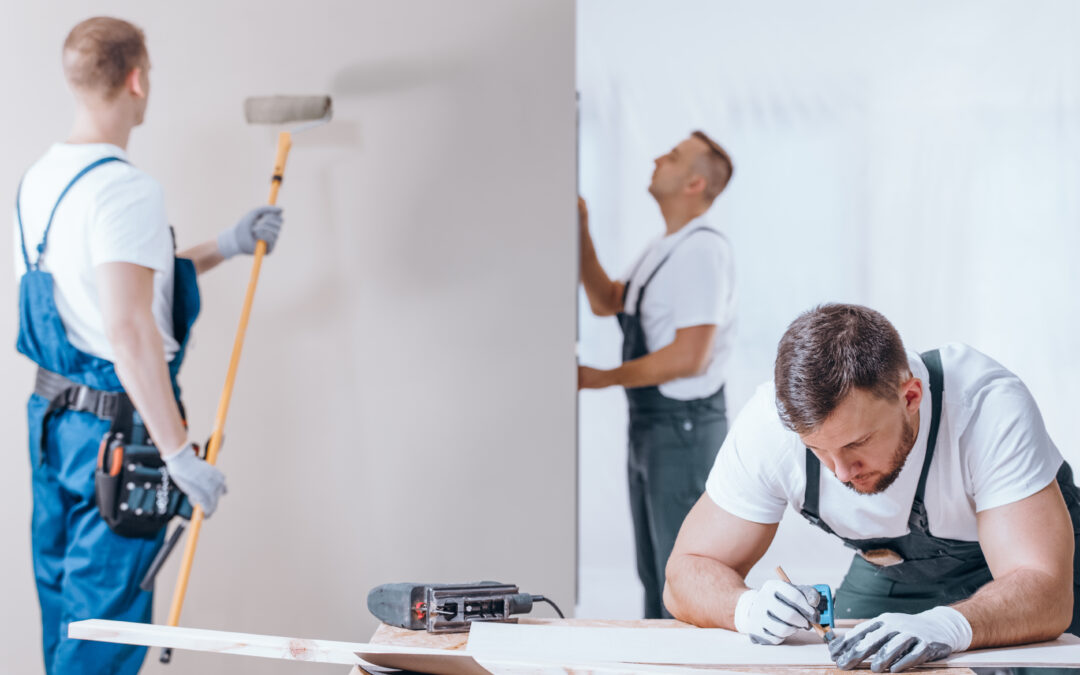
Most people think painting starts and ends with colour. A new shade, a cleaner look, a quick refresh for the room. Simple enough. But once the furniture is moved and the lighting changes, the walls tell a different story. Small cracks appear. Uneven patches stand out. Old repairs suddenly become obvious. Problems that were easy to ignore before are now impossible to miss.
That is when people realise a good paint job is about far more than paint itself. Experienced Interior Painters Wellington homeowners see these issues all the time, and they know the difference between a quick cover-up and work that actually lasts.
Mistake 1: Painting over walls that were never properly repaired
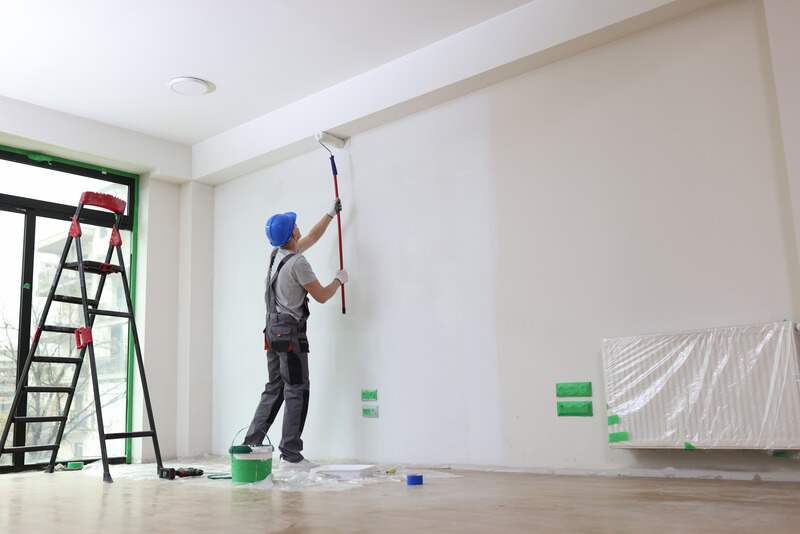
One of the most common situations happens before any painting begins. A homeowner points at a wall and says it looks “good enough.” But once you run your hand across it, you feel dents, small cracks, and uneven filler patches.
There was a job in Wellington where a hallway looked fine at first glance. No major damage. Just normal wear. Under proper inspection, the wall had multiple hairline cracks and old plaster repairs that were never smoothed properly.
If paint had gone straight on, every flaw would have shown through. So the work shifted. First repair, then sanding, then surface correction. Most Interior Painters Wellington crews deal with this more than they talk about it. The paint is rarely the first problem.
Mistake 2: Walls that look clean but are not
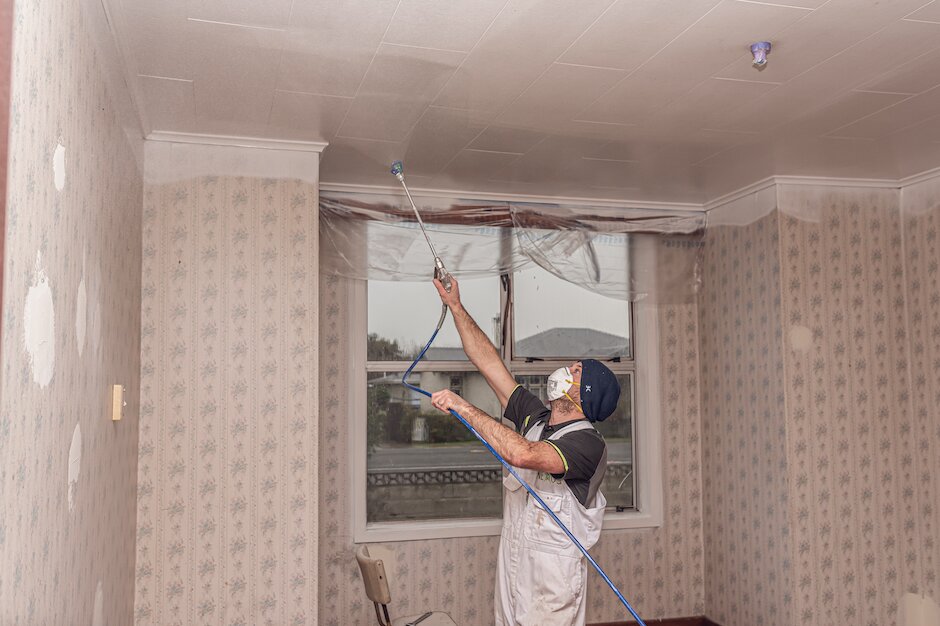
This one surprises many homeowners. A wall can look clean and still cause paint failure. In one kitchen repaint, the walls had a slight dullness, but nothing alarming. The homeowner even said they had wiped them recently. After the first coat, uneven patches appeared.
The reason was simple. Years of cooking residue and dust were still sitting on the surface. Paint does not separate from grime. It bonds to it. So instead of sticking to plaster, it sticks to a layer of contamination.
That is why professional Interior Painters Wellington teams always clean properly before anything else starts. It is slow work, but it prevents patchy results later.
Mistake 3: Cracks that come back after painting
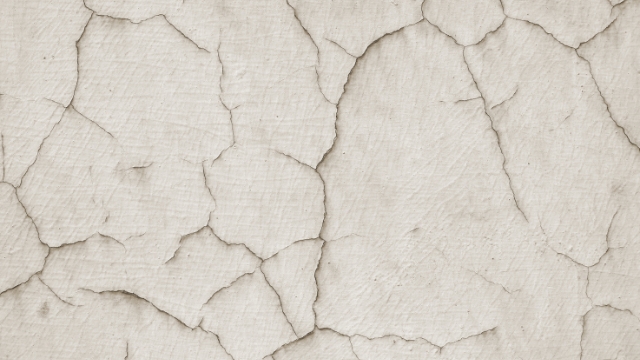
This is something homeowners often learn the hard way. Small cracks feel harmless. Thin lines near corners or along ceilings are often ignored.
In one townhouse project, the homeowner insisted on “just painting over them.” The finish looked fine at first. A few weeks later, the same cracks showed again. Paint does not hold cracked plaster together. It only covers it.
Experienced painters deal with cracks differently. They open them slightly, fill them properly, sand them smooth, and then seal the surface before painting. That extra step is what stops the problem from coming back. It is a standard part of how professional Interior Painters Wellington handle interior work.
Mistake 4:The hidden problem behind rushed timelines
This is where expectations and reality usually clash. Homeowners often expect a two or three-day turnaround. Then the job starts.
Furniture gets moved. Lighting changes. Walls are inspected properly. Suddenly, prep work takes longer than expected. One job in Wellington turned into a full week because once sanding and inspection started, multiple hidden issues appeared behind old paint layers.
This is normal in older homes. The painting itself is not slow. The preparation is what takes time. Most Interior Painters Wellington teams will tell you the same thing after years on site. Speed only works when the surface is already in good condition.
Mistake 5: Choosing colour before checking the wall condition
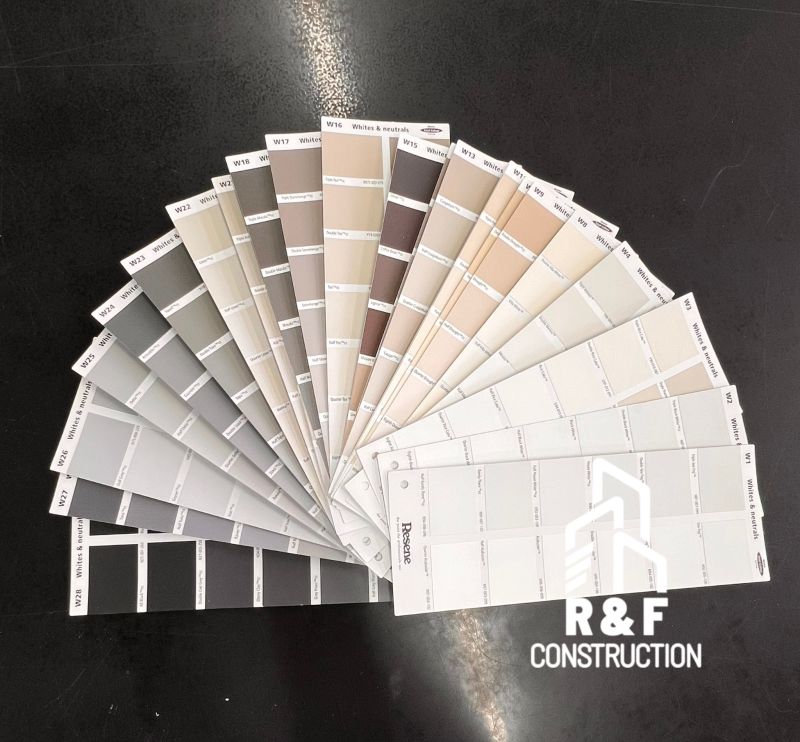
This is a quiet but common mistake. Homeowners often pick colours first. Sometimes, even before anyone looks at the wall properly.
The repairs change the surface slightly. Lighting changes how the wall reflects. The same colour suddenly looks different from what was expected. In one bedroom project, a soft neutral grey was chosen early. After plaster repair and sanding, the wall texture became smoother and more reflective.
The colour appeared lighter than expected. Nothing was wrong with the paint. The surface had changed. This is why experienced Interior Painters Wellington usually check walls before confirming colour choices. The surface always comes first.
How RNF Construction Handles Interior Work?

When inspection starts, the same issues appear again and again:
- cracks painted over instead of repaired
- uneven plaster patches
- The walls are not properly cleaned
- missed sanding areas
- old stains showing through
RNF’s interior painting approach usually starts with correction work first. That includes plaster repair, GIB stopping, surface preparation, and full wall assessment before any painting begins. This method is common in professional interior painters’ work, where long-term finish matters more than quick coverage.
The Difference that shows up months later
Fresh paint always looks good on day one. That is the easy part. The real difference appears later.
If prep was rushed, cracks return, edges lift, and patches become visible under certain light. If prep was done properly, the walls stay consistent through seasons and wear. This delay is why preparation is often underestimated.
It does not give instant feedback. It shows results over time. That is why experienced Interior Painters Wellington focus so heavily on prep work.
Conclusion
Most interior painting issues are not paint problems. They are preparation problems. Cracks that were ignored. Walls that were not cleaned. Repairs that were rushed. Timelines that pushed prep too fast. Once painters step into real homes, these patterns often repeat. Paint only finishes the surface.
Painting is often the shortest stage of the whole process. A good finish depends on everything that happens before the first brush stroke. This is something every experienced Interior Painters Wellington crew learns early through real work, not theory.
FAQs
Why do cracks come back after painting?
Paint does not fix movement in walls. Cracks need proper repair before painting.
Why do painters spend so much time preparing walls?
Because preparation decides how long the paint finish will last.
Can dirty walls be painted over?
Yes, but the paint will stick to the dirt layer, not the wall surface.
Why do painting jobs take longer than expected?
Because hidden repairs and prep work usually appear once the job starts.
Does wall condition affect paint colour?
Yes. Repairs and surface changes can affect how light reflects on paint.
What is the most common mistake homeowners make before painting?
Skipping proper wall repair and cleaning before painting begins.
Is interior painting just about applying paint?
No. Most of the work is surface preparation before painting starts.