
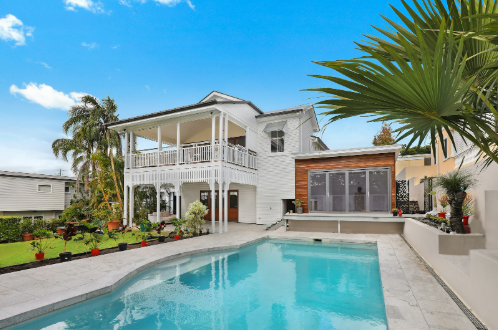
If you own a home in Wellington or manage rentals here, you already know the truth: Property Maintenance Wellington is not “one big job” you do once. It’s a steady rhythm of small fixes, seasonal checks, and the occasional urgent repair that always seems to happen at the worst possible time.
And in 2026, choosing the right property maintenance provider matters more than it used to. Labour costs have shifted, compliance expectations are higher, and tenants (and buyers) notice workmanship instantly. The right team, like RNF Construction, saves you time, protects your asset, and prevents small issues from turning into expensive ones.
In this guide, we’ll walk through how to choose a property maintenance service provider in Wellington, what to look for, what to ask, what to avoid, and how to make sure you’re getting long-term value, not short-term patchwork.
Why property maintenance in Wellington is “different”
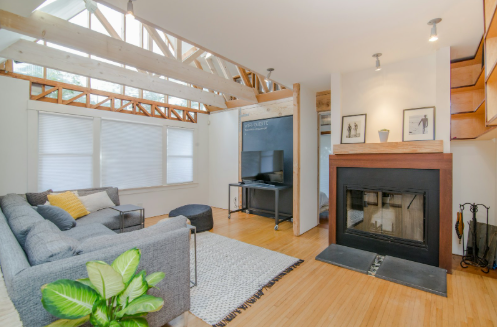
Wellington is beautiful, but it’s not gentle on buildings. Wind exposure, salty coastal air, heavy rain, and fast weather changes all accelerate wear and tear, especially on exterior paint systems, timber, flashing, roofing, and gutters.
That’s why a good Wellington maintenance provider isn’t just a general “handyman.” They understand local conditions and they plan for them. They also know that prevention is cheaper than reaction, and they build systems around that idea.
In practical terms, Wellington maintenance often comes down to a few recurring priorities:
- keeping water out (roofing, gutters, flashing, sealing, paint protection)
- keeping air moving (ventilation, mould prevention, bathroom and kitchen checks)
- keeping surfaces protected (exterior coatings, plaster repairs, timber maintenance)
- keeping tenants safe and properties compliant (timely fixes, documentation)
Step 1: Be clear on what “property maintenance” means for your place
One reason people hire the wrong provider is because “maintenance” can mean very different things depending on the property.
A character villa in Karori doesn’t have the same maintenance profile as a modern townhouse in Johnsonville. Likewise, a small apartment block in Te Aro has very different recurring needs than a standalone family home in Island Bay.
Before you get quotes, do a quick reality check:
Are you looking for ongoing preventative maintenance, like scheduled inspections and touch-ups? Or do you mainly need reactive help, like repairs as issues appear? Ideally, you want a provider who can do both, because properties rarely behave in neat categories.
Step 2: Choose providers with systems, not just skills
In 2026, the best maintenance providers don’t just rely on “good tradies.” They rely on proven processes that create consistent outcomes across multiple jobs, multiple properties, and multiple teams.
This is where companies like RNF Construction stand out, especially for owners and property managers who want reliability. When a provider can explain their process clearly, it usually means you’ll get fewer surprises.
Look for signs of strong systems, such as:
Clear scope documentation, a sensible sequence of work, a dedicated point of contact, and a structured sign-off process. These sound simple, but they’re exactly what prevents miscommunication, delays, and those frustrating “I thought that was included” moments.
Step 3: Prioritise communication (because maintenance is ongoing)
A lot of property maintenance conflict isn’t about the actual work. It’s about updates, timing, and expectations.
So when you’re evaluating a provider, pay attention to how they communicate before you sign. If they’re vague, slow, or inconsistent at the quote stage, it rarely improves once the job starts.
One of the simplest green flags is a dedicated project manager. RNF Construction assigns a dedicated project manager to each job, which makes a huge difference when you have multiple moving parts, tenants, timelines, suppliers, and weather windows to coordinate.
A project manager also helps with the “translation” between owner expectations and site reality. That’s where a lot of the stress disappears.
Step 4: Make sure they can handle the maintenance work that actually matters in Wellington
When people think maintenance, they often think “patch and paint.” But in Wellington, the high-impact work is usually a combination of protective coatings, moisture control, and surface integrity.
Here are services that commonly create real long-term value:
Exterior painting and protective coatings. A quality exterior system is one of the best protective investments you can make, particularly on exposed elevations. Poor prep is the number one reason paint fails early, so ask what their prep process is.
Interior painting for wear and tenancy turnover. Between tenants or during renovations, interior paint does more than make things look fresh. It helps protect surfaces and can reduce ongoing cleaning and patching.
Roof painting and roof-related maintenance. A roof can look “fine” from the street but still be aging fast. Good providers will check for surface condition, water pathways, moss issues, and appropriate coating systems.
Plastering and gib stopping. This is where the finish quality shows. If plastering is rushed, every light angle will highlight it. RNF Construction offers plastering and gib stopping, which helps you keep finishing under one standard, rather than juggling multiple contractors.
Special coatings and targeted solutions. Bathrooms, laundry areas, and commercial spaces sometimes need coatings that handle moisture, abrasion, or specific surfaces. A provider who understands coatings is usually thinking longer-term.
Step 5: Ask how they handle quality control (and what happens at the end)
A lot of providers talk about “quality.” Fewer can explain how they actually verify it.
This is where you should listen for specifics like a detailed final walkthrough. RNF Construction does a final walkthrough inspection before sign-off, which is exactly how you catch the little things that matter: edges, cut-ins, patch visibility, minor missed prep points, and finishing consistency.
Also, ask what happens after completion. Maintenance work often reveals small settlement cracks, minor shrinkage, or touch-ups that only show after the space is lived in again.
RNF Construction offers a satisfaction and touch-up guarantee period after completion, which is a strong sign they’re confident in their finish and they’re serious about the client experience.
Step 6: Don’t underestimate colour and finish advice
Colour selection sounds like a “nice-to-have,” but in real life it’s a common reason for regret, rework, and wasted money.
A good provider should be able to recommend products and finishes that make sense for the building type, lighting, and durability needs. RNF Construction includes a free colour and project consultation, which is especially helpful when you’re painting for resale, refreshing a rental, or coordinating a multi-room upgrade.
It’s also a practical way to avoid choosing a trendy finish that looks great online but performs poorly in a real Wellington home.
Step 7: Learn to spot the red flags early
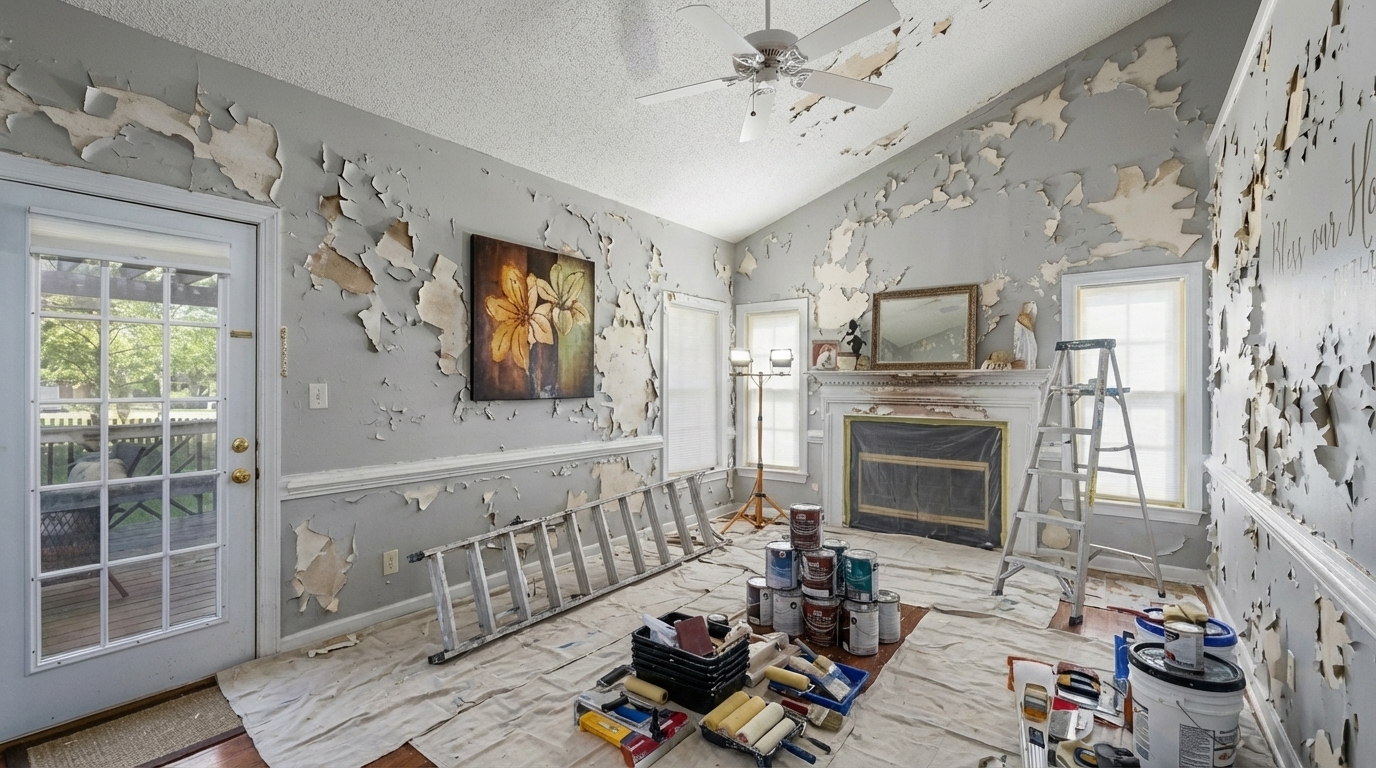
If you want to avoid maintenance headaches in 2026, it helps to know the warning signs that often lead to messy outcomes:
The quote is vague and missing prep details, the timeline feels unrealistic, the provider can’t explain their process, they avoid written scope, or they push you to decide immediately. Another common red flag is being unable to tell you who is actually managing the job day to day.
The best providers are usually booked, but they still communicate clearly, set expectations upfront, and show you how they’ll deliver.
Step 8: Compare quotes properly (not just the total price)
Two maintenance quotes can look similar at the bottom line but be completely different in the real world.
When comparing providers, check:
What prep is included, what products and systems they plan to use, how many coats, what exclusions exist, how change requests are handled, and what the sign-off process looks like. If one quote is cheaper because it skips prep or uses lower-grade products, you’ll often pay for it later through early failure or repeat work.
If you’re managing multiple properties, consistency matters even more. A provider with structured systems and professional processes can deliver repeatable results, which makes your budgeting and scheduling far easier.
What a “great” property maintenance partnership looks like in 2026
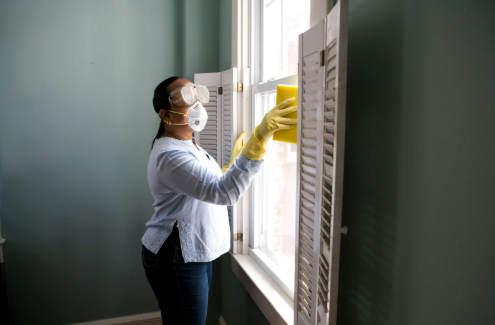
In 2026, the best maintenance relationships feel simple. Not because the work is easy, but because the provider does the hard thinking for you.
You’ll usually see these traits:
They assign clear ownership to the project, follow professional processes, communicate without chasing, deliver workmanship that holds up, and complete a proper handover with walkthrough checks. They also treat maintenance as protection of an asset, not just “getting it done.”
That’s the difference between a provider you constantly manage and a provider who quietly keeps your property in great shape.
Ready to make property maintenance simple (and actually reliable)?
If you’re tired of chasing tradies, juggling inconsistent quality, or dealing with small issues that keep coming back, we get it. At RNF Construction, we run maintenance and painting projects with proven systems, a dedicated project manager, and a detailed final walkthrough so nothing gets missed.
If you want your Wellington property maintained properly in 2026, we’d love to help. Reach out for a fast quote and a clear plan, and we’ll take it from there, seamlessly, precisely, and on time every time.
FAQs
How often should I schedule property maintenance in Wellington?
A practical approach is seasonal checks plus an annual deeper inspection. Wellington wind and rain can accelerate wear, so catching early moisture entry, failing paint, and blocked gutters prevents expensive repairs later.
What’s the difference between reactive repairs and preventative maintenance?
Reactive repairs fix issues after they appear, like leaks or peeling paint. Preventative maintenance involves regular inspections and small updates that stop those issues from happening in the first place.
What should I ask before hiring a maintenance provider?
Ask about their process, prep standards, timelines, who manages the job, product recommendations, and how they handle final inspections. Clear answers usually indicate a reliable provider with repeatable systems.
Do I need a dedicated project manager for small jobs?
Not always, but it helps more than people think. A project manager improves scheduling, communication, and accountability, especially when weather shifts, tenants are involved, or multiple trades are needed.
How do I know if a painting quote includes proper preparation?
Look for prep details like washing, scraping, sanding, repairs, priming, and protection of surrounding surfaces. If the quote skips prep or stays vague, the finish usually won’t last.
Can property maintenance improve resale value?
Yes. Clean paintwork, repaired plaster, tidy finishes, and well-maintained exteriors significantly improve first impressions. Buyers notice neglect quickly, and maintenance often costs far less than price reductions during sale.
Is roof painting worth it in Wellington?
If the roof surface is suitable and properly prepared, roof painting can extend life and improve appearance. The key is correct assessment, surface prep, and using the right coating system for the material.
How do I reduce maintenance issues in rental properties?
Focus on durability. Use hard-wearing paints, fix moisture and ventilation problems early, do condition checks between tenancies, and work with a provider who documents work and maintains consistent standards.