

Owning property in Auckland is a bit like owning a boat. It can be a great asset, but if you ignore the small stuff, like consistent Property Maintenance Auckland, the ocean eventually collects its fees.
The truth is, property value isn’t only built at renovation time. It’s built (or lost) in the ordinary weeks between tenants, the rainy months, and those “we’ll fix it later” moments. Regular property maintenance, such as that offered by RNF Construction, is what keeps a home attractive, safe, compliant, and financially resilient. And in Auckland’s damp, coastal climate, that matters more than most people think.
The simple reason maintenance increases value
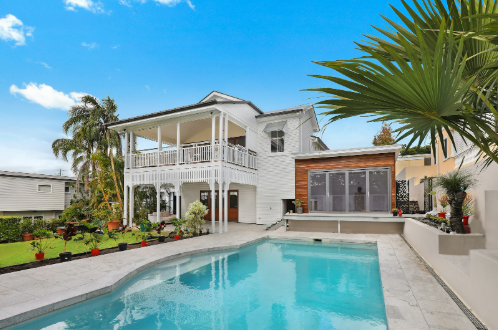
When buyers, valuers, and property managers look at a home, they’re not just seeing paint and timber. They’re assessing risk.
Regular maintenance reduces the two things that drag property value down fastest: uncertainty and hidden cost. If a buyer suspects moisture issues, deferred repairs, poor workmanship, or recurring problems, they mentally discount the price. Sometimes heavily.
On the other hand, a home that’s clearly been cared for signals reliability. It feels safer to buy, easier to insure, easier to rent, and cheaper to own. That confidence often shows up as stronger offers, smoother negotiations, and fewer “price-chop” conversations after inspections.
Auckland’s climate rewards proactive owners
Auckland homes take a beating from moisture, UV exposure, salt air in coastal pockets, and rapid weather changes. Even good materials wear faster when they’re constantly cycling between wet and dry.
If you maintain a property in a drier region, you can occasionally “get away with” delay. In Auckland, delay tends to compound. A small crack becomes water ingress, then rot, then mould, then a much bigger bill that can also show up in building reports.
This is why routine maintenance from professionals like RNF Construction, especially exterior care, is one of the highest ROI habits for Auckland homeowners and landlords.
Maintenance vs renovations: where most people get it wrong

Renovations can add value, but maintenance protects value. And protecting value is often the faster win.
Think of it this way. If your house is a 7 out of 10 but looks tired, weathered, or neglected, a renovation might lift it to an 8. But if your house is already an 8 and you let maintenance slide, it can quickly fall to a 6 in the eyes of buyers.
The frustrating part is that many value losses come from “unsexy” issues:
Peeling paint. Hairline plaster cracks. Water-stained ceilings. Rusting flashings. A musty smell in a hallway. Spongy decking boards. Leaky gutters. These are small individually, but together they create a story of neglect.
And the market pays attention to stories.
The high-value maintenance areas Auckland owners should prioritize
You don’t need to do everything at once. But you do need to be smart about what protects the structure and what buyers notice first.
1) Exterior paint and coatings: your first line of defense
Exterior paint isn’t just cosmetic. It’s a protective membrane. When it fails, the weather gets direct access to the materials underneath.
In Auckland, keeping exterior paint in good condition helps prevent moisture ingress, timber swelling, and surface breakdown. For many homes, especially weatherboard properties, consistent repainting cycles help maintain a “tight” building envelope.
If you’re considering selling in the next 12 to 24 months, exterior presentation can also influence perceived quality before anyone even steps inside.
2) Roof maintenance and roof painting
Roofs are one of the highest-cost components to replace, and buyers know it. A roof that looks tired, patchy, rust-stained, or poorly maintained can trigger aggressive negotiation.
Basic roof upkeep includes checking fasteners, flashings, moss and lichen growth, blocked valleys, and rust points. Roof painting, when appropriate, can extend the life of some roof types and dramatically improve street appeal.
3) Plastering, gib stopping, and crack management
Cracks happen. The problem is when cracks are left to grow, or when they signal moisture movement rather than simple settlement.
Clean plastering and professional gib stopping do two things for property value. First, they remove visual defects that make a home feel “cheap” or unfinished. Second, they help present surfaces that photograph well, which matters in modern property marketing.
4) Moisture control: the silent value killer
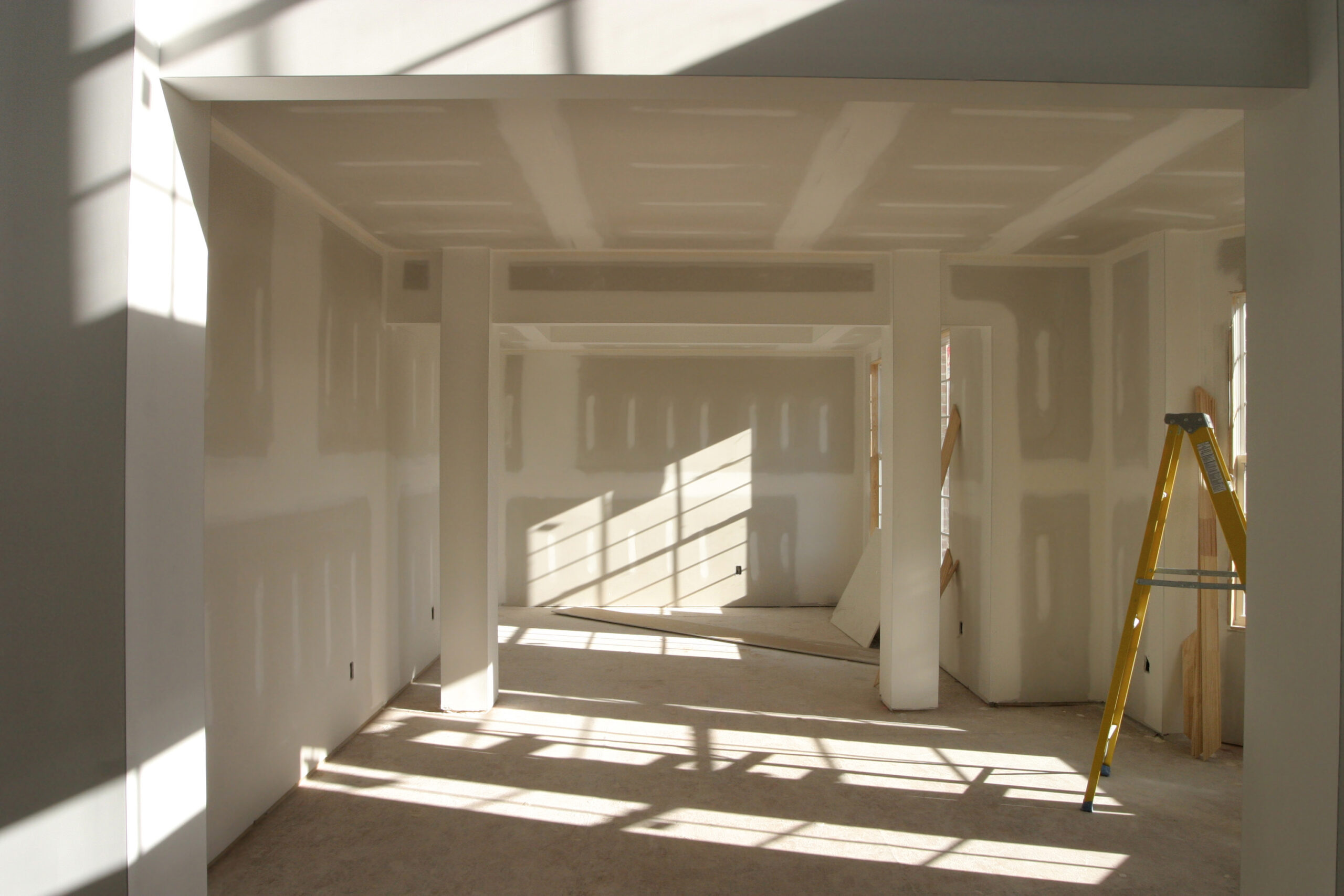
Moisture-related issues can reduce value quickly because they create uncertainty. Buyers fear mould, rot, and ongoing remediation. Even if the fix is simple, the fear is expensive.
If your home has poor ventilation, recurring condensation, bathroom extraction issues, or damp corners, address them early. The longer moisture stays, the more likely you’ll see material degradation and health concerns related to mold, both of which show up in inspections.
5) Gutters, drainage, and water direction
Most serious building damage starts with water going where it shouldn’t.
Clear gutters, correct downpipe discharge, and proper drainage reduce the chance of water tracking into eaves, fascia, foundations, and subfloor spaces. It’s not glamorous, but it’s foundational for long-term value.
6) Pre-sale maintenance: “painting for selling” still works
There’s a reason “paint for selling” remains a classic move. Fresh, consistent paint makes a home feel cleaner, brighter, and more modern without changing the layout.
Done properly, it also removes buyer objections. When the walls are patched, the trims are sharp, and the finish is consistent, buyers stop hunting for faults and start imagining themselves living there.
Why property managers love regular maintenance (and why that helps value)
If you’re a landlord, regular maintenance protects more than resale value. It protects tenancy quality.
Well-maintained homes typically attract better applicants, reduce vacancy time, and support steadier rent growth. They also reduce emergency call-outs because small issues get handled before they become urgent.
From a property value perspective, a well-documented maintenance history also helps. When you can show that repairs were done professionally and on schedule, you reduce perceived risk for the next buyer.
The compounding effect: small fixes prevent big invoices
Auckland maintenance isn’t about perfection. It’s about compounding advantages.
Fixing a small exterior crack today can prevent water ingress that leads to timber repairs next year. Repainting trim now can prevent substrate failure later. Addressing a minor leak can prevent ceiling damage and mould remediation.
It’s the same story across most properties. Preventative maintenance costs less, disrupts less, and preserves value better than reactive repairs.
A practical maintenance rhythm for Auckland homes
Rather than random repairs, the best approach is a simple rhythm you repeat every year.
Here’s a straightforward way to think about it:
- Every 6 months: quick exterior walkaround, gutters check, look for paint failure, check wet areas for leaks, inspect deck/handrails
- Every 12 months: touch-ups, crack repairs, minor plaster fixes, mould prevention check, roof visual inspection
- Every 5 to 10 years (varies by exposure): full exterior repaint or coating refresh, larger surface preparation, targeted upgrades before selling
This keeps the property looking consistently cared for, and it reduces the chance of a nasty surprise when you least want one.
DIY vs hiring professionals: where the value is
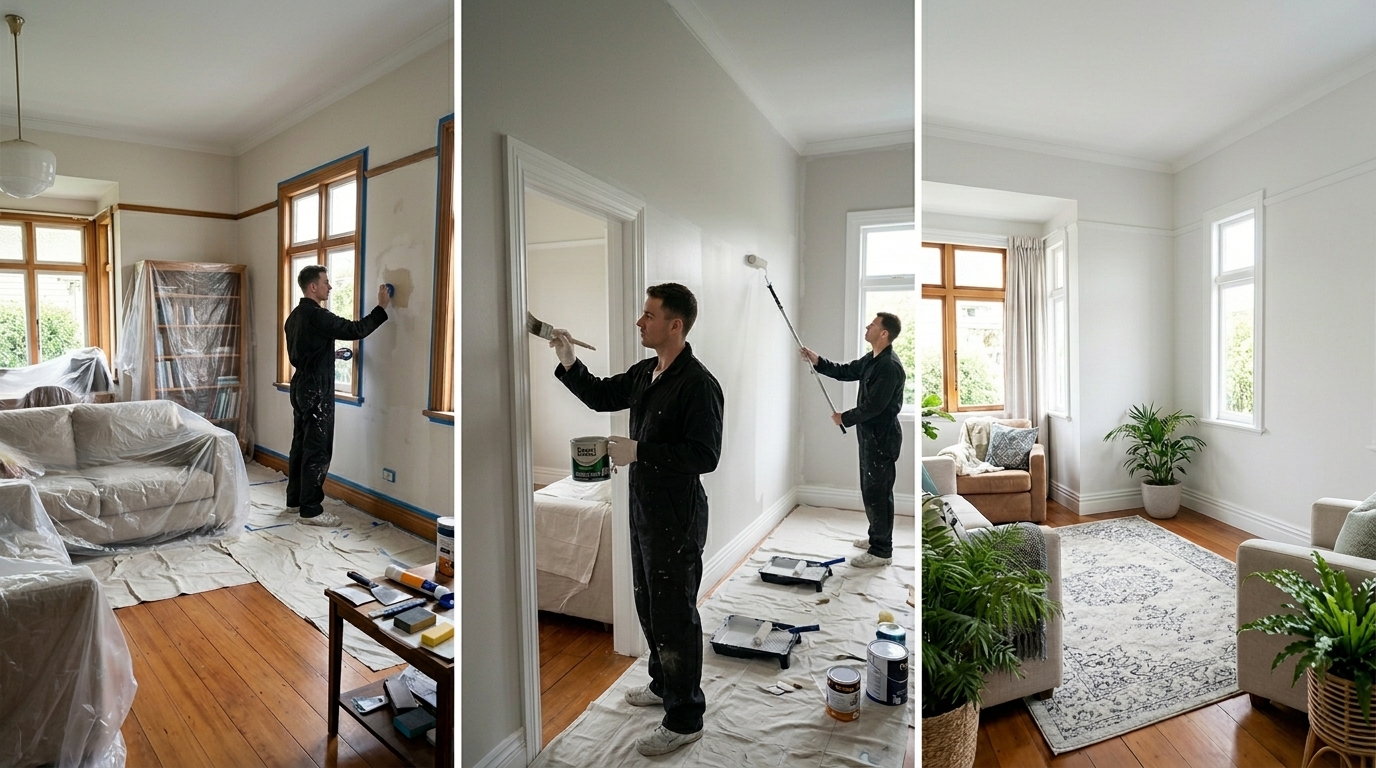
DIY can be fine for minor touch-ups if you know what you’re doing. But for value-related work, especially painting, plastering, and anything that protects the exterior, poor workmanship can actually reduce value.
Buyers notice uneven finishes, paint on hardware, rushed prep, or cracking that reappears after a quick patch. Professional systems and consistent processes matter because they produce results that last and look right.
That’s also where a dedicated project manager helps. When someone oversees the job end-to-end, quality is more consistent, timelines are clearer, and the final walkthrough actually catches the details that affect presentation.
For a more comprehensive understanding of home upkeep responsibilities and to ensure you’re not overlooking any crucial tasks in your maintenance routine, refer to this home maintenance checklist.
Your Next Step
If you take one thing from this, let it be this: maintenance isn’t an expense you “lose” money on. It’s a value protection habit that quietly pays you back when you refinance, rent, or sell.
At RNF Construction, we treat maintenance like a system, not a scramble. We show up on time, assign a dedicated project manager, follow proven processes, and finish with a detailed walkthrough so nothing gets missed. If you want your Auckland property to look sharper, last longer, and hold its value, we’d love to help.
Reach out to us for a fast quote and let’s get your maintenance plan sorted before small issues become expensive ones.
FAQs
How often should I schedule property maintenance in Auckland?
Most Auckland homes benefit from a six-month visual check and an annual maintenance plan. Weather exposure varies, so coastal and shaded properties usually need faster paint, roof, and moisture-related upkeep. For commercial properties, sandblasting may be a necessary part of the maintenance process.
Does regular painting really increase property value or just improve appearance?
Both. Painting improves first impressions, but more importantly it protects surfaces from moisture and UV damage. According to research, buyers pay more when they trust the home has been cared for properly, not patched.
What are the biggest maintenance issues that reduce value during a sale?
Peeling exterior paint, roof wear, water stains, mould smell, cracked plaster, and neglected decks are common red flags. These issues suggest hidden costs, which often leads to lower offers.
Is it better to do maintenance before renting out a property?
Yes. A well-presented, well-maintained rental attracts better tenants, reduces vacancy, and can justify stronger rent. It also lowers emergency repairs because small issues are addressed early.
Can professional maintenance help with insurance and compliance concerns?
It often helps indirectly. Regular upkeep reduces risk of water damage and deterioration, and documentation shows responsible ownership. For specific insurance and compliance questions, confirm requirements with providers.