
Hiring painters in Auckland sounds straightforward until you are a week into the job, the weather turns, the prep gets skipped, and you start noticing drips, patchy coverage, or a “surprise” invoice you never agreed to. In 2026, the biggest mistakes are not usually about paint colour. They are about process. Who is managing the job, what is included in the quote, how the surfaces are prepared, and what happens when something goes wrong. This guide walks you through the most common hiring mistakes Auckland homeowners and property managers still make, plus what to do instead so you end up with a paint job that actually lasts.
Why hiring painters in Auckland feels harder in 2026
 Auckland homes deal with a mix of humidity, salt air in coastal suburbs, strong UV, and plenty of “four seasons in a day” weather. Add busy trades calendars, rising material costs, and lots of operators marketing online, and it is easy to choose the wrong team for the wrong reasons. The good news is that most bad outcomes are avoidable if you know what to look for before you book.
Mistake 1: Choosing the cheapest quote without checking what is missing
A cheap quote is rarely cheaper by the time the job finishes. Most low quotes win the job by leaving things out, especially prep. And prep is where paint jobs succeed or fail. If the quote is just a single line like “Paint interior: $X”, you cannot compare it to anything. You need to see what is included and what is excluded. A proper painting quote should clearly state what you are getting, such as:
- Prep scope (wash, scrape, sand, fill, spot-prime, mould treatment)
- Number of coats and products (primer, undercoat, topcoat, ceiling paint, trim enamel)
- Areas included (ceilings, walls, trims, doors, wardrobes, windows, soffits, fences)
- Protection (masking, drop sheets, floor protection)
- Access assumptions (scaffolding, height work, difficult roofs)
- Repairs that are included vs excluded (rotten timber, plaster repairs, water damage)
If two quotes are $2,000 apart, it is often because one includes a real prep and repair allowance and the other does not.
Mistake 2: Not asking who will manage your project day to day
A painter might sell the job, then disappear. If you are left guessing who to talk to, decisions get delayed, mistakes go unnoticed, and the finish suffers. In 2026, good painting companies treat project management as part of the service, not a bonus. You want one clear point of contact who coordinates the team, checks quality, and keeps the timeline moving. This matters even more if:
- You are living in the home during the work
- Tenants need access (property managers know this pain)
- Weather windows matter (exteriors, roofs)
- Multiple trades are involved (plastering, gib stopping, repairs)
A dedicated project manager also makes it easier to handle the awkward but important questions like “Is that finish acceptable?” before the final invoice lands.
Mistake 3: Skipping a site visit (and accepting a quote based only on photos)
 Photos help, but they hide the things that blow up a paint job: moisture, chalky weatherboards, flaking layers, cracked plaster, damaged trims, or areas that need special coatings. A site visit lets the painter test assumptions and quote accurately. It also lets you assess professionalism quickly. Do they look closely at the surfaces? Do they ask about timelines, access, pets, parking, and who is living in the home? Do they explain what happens first? If a painter can price your entire house in two minutes off a few photos, that should raise your eyebrows.
Mistake 4: Not talking about preparation in plain English
Most paint failures you see are prep failures. Auckland homes are especially prone to mould in bathrooms, moisture staining, and peeling in areas that were never sealed properly. Before you hire anyone, ask them to explain their prep process in a simple step-by-step way. You are not trying to catch them out. You are trying to confirm they have a system. For example, a solid interior process often includes protection, filling, sanding, spot priming, caulking, cutting in, rolling, then a final check under good lighting. Exterior work may include washing, treating mould, scraping, sanding, priming bare timber, repairing, sealing gaps, then topcoats. If their prep description feels vague, rushed, or defensive, it is a warning sign.
Mistake 5: Assuming all paints are basically the same
Paint technology has moved quickly. In 2026, there are better low-VOC options, tougher enamels, stain blockers, and speciality coatings, but they still need correct surface prep and the right system. In Auckland, “right paint” often depends on:
- Moisture levels (bathrooms, laundries, older villas)
- Sun exposure (north-facing exteriors and soffits)
- Salt air (coastal suburbs)
- Substrate type (weatherboard, brick, plaster, fibre cement)
- Previous coatings (oil vs water-based, unknown layers)
- Mould history
A good painter will recommend products based on performance, not just what is cheapest on the shelf. They should also specify product lines on the quote so you know what you are paying for.
Mistake 6: Not confirming the number of coats and what counts as a “coat”
This one causes endless disputes. You think you are getting full coverage. They think one coat plus touch-ups counts as “two”. Or they apply two thin coats over a poorly primed surface and call it done. Agree upfront on:
- Primer/undercoat requirements (especially over repairs or colour changes)
- Two full topcoats for durability where needed
- Extra coat conditions (deep colours, strong colour changes, stain blocking)
Also, ask how they handle coverage issues. Professional teams do not argue about it. They fix it because it is visible.
Mistake 7: Forgetting to ask how they will protect your home
 Paint on carpet, scratched floors, overspray on brick, dust through the house, it happens when protection is treated as optional. Ask what they do to protect:
- Floors and carpets
- Furniture (and whether you need to move it)
- Kitchens and benchtops
- Landscaping and outdoor furniture for exteriors
- Driveways, paths, and neighbouring properties
If they show up with minimal drop sheets and no masking plan, the job is already heading downhill.
Mistake 8: Not clarifying timelines and daily work hours
A vague timeline leads to a job that drags on, especially when painters bounce between sites. In Auckland, weather delays are real, but interior work and prep can still move forward with good planning. Agree on:
- Estimated start date and duration
- Daily work hours (and noise expectations)
- Which days they will be on site
- How weather delays are handled (for exteriors and roofs)
- Milestones (prep completion, first coat, second coat, finish date)
A professional company will be honest about what they can commit to, and then communicate early if anything changes.
Mistake 9: Not checking recent reviews and real project photos
A polished website is great, but you want recent feedback that matches your type of job. Look for reviews that mention communication, tidiness, timelines, and how issues were handled. Also look closely at project photos:
- Are the cut lines clean?
- Do trims look sharp, not wavy?
- Are there close-up shots, not only wide shots?
- Do they show prep or just finished walls?
If everything is stock images and there is no proof of recent local work, be cautious.
Mistake 10: Not discussing plastering, gib stopping, and repairs early
Many Auckland interiors need wall repairs before painting, especially in older homes or rentals with lots of wear. If you only hire a painter and discover the walls need significant patching, the budget and timeline can blow out. It is smarter to talk early about:
- Nail pops, cracking, and old patches showing through
- Skim coating vs spot repairs
- Gib stopping quality (especially in renovations)
- Water stains and the cause behind them (painting over them rarely works)
This is where a team that can coordinate plastering and painting together can save you a lot of back-and-forth.
Mistake 11: Assuming “painting for selling” is the same as a standard repaint
If you are preparing a property for sale, you usually want maximum impact with minimal downtime. That changes the plan. You might prioritise high-visibility areas, neutral colours, and fast-curing systems, but still need clean prep and sharp finishing. A good painting-for-selling approach focuses on:
- Entry, living areas, hallways, and kitchens first
- Consistent whites and neutrals
- Fixing obvious defects buyers notice under bright light
- A tidy site every day (photos and viewings happen fast)
If a painter treats it like any other job, you may miss the window where paint work adds the most value.
Mistake 12: Not confirming the final walkthrough and touch-up process
 Even good painters can miss small spots. The difference is what happens next. You want a clear finishing process that includes a proper walkthrough, ideally with good lighting, and a straightforward way to handle touch-ups. If the company disappears the moment the last coat dries, you are stuck chasing fixes. A professional final walkthrough should cover:
- Walls under natural and artificial light
- Trims, doors, and edges
- Roller texture consistency
- Paint splatter or marks on fittings
- Clean-up, rubbish removal, and reinstating rooms
This is also when you confirm any leftover labelled paint is left behind for future touch-ups.
What to ask painters before you hire them (quick checklist)
You do not need to interrogate anyone. Just ask the questions that reveal whether they have systems. Here are a few that work well:
- “Can you walk me through your prep process for my surfaces?”
- “Who is my point of contact while the job is running?”
- “What products are you quoting and how many coats?”
- “What is excluded from the quote that commonly surprises people?”
- “How do you protect floors, furniture, and gardens?”
- “Do you do a final walkthrough and is there a touch-up period?”
For more detailed inquiries, consider checking out this comprehensive FAQ section from Phinney Ridge Painting. If the answers are clear and confident, you are probably in good hands.
A practical note for Auckland homes: moisture, mould, and coastal wear
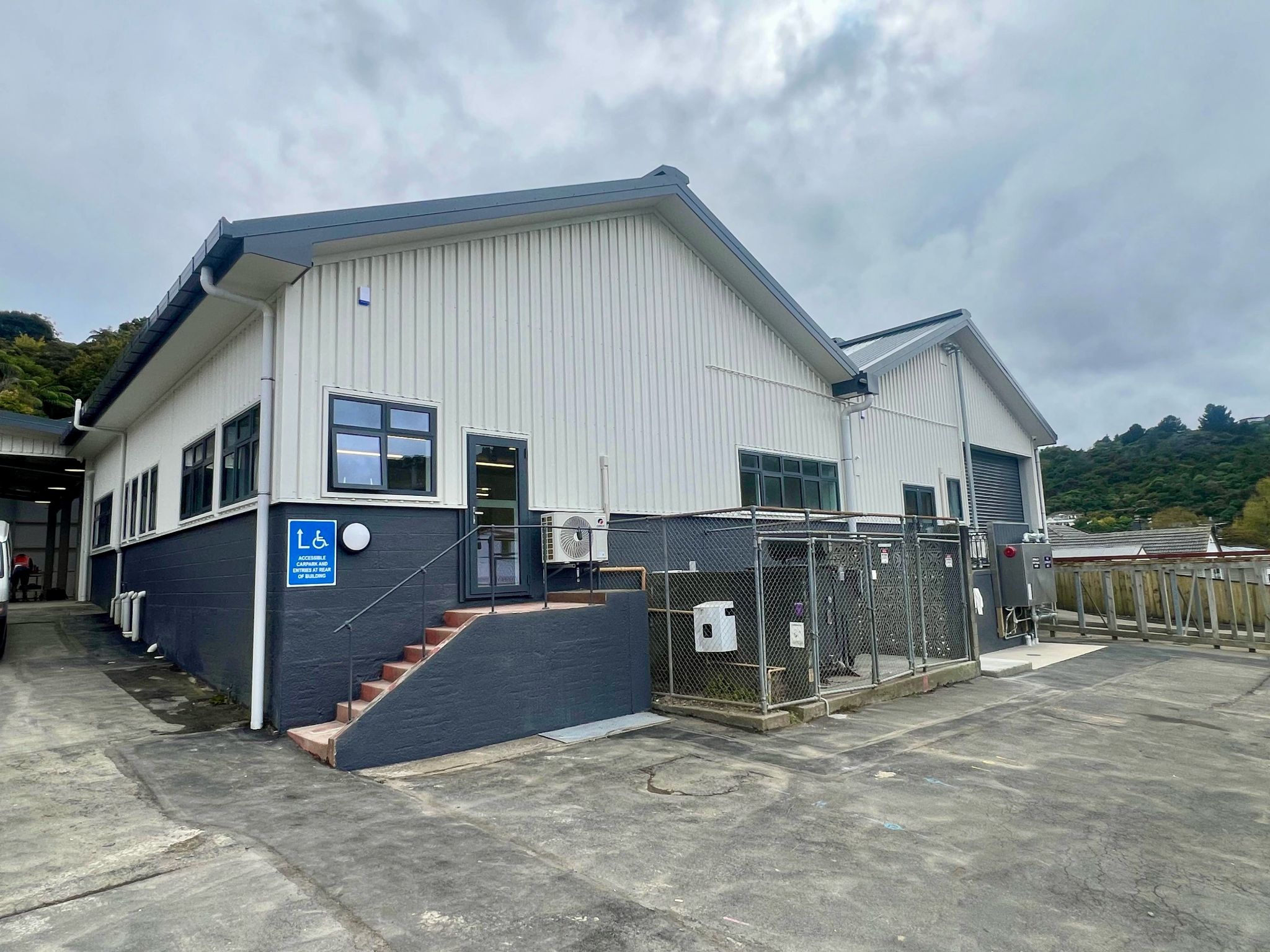 If your home has recurring mould, bubbling paint, or peeling near windows, there is usually a reason behind it. Painting over the symptom will not solve the cause. In Auckland, pay extra attention to bathrooms, laundries, south-facing rooms, and shaded exterior walls. Ask what mould treatment is used, whether stains are sealed, and how ventilation or moisture is being addressed. A quality painter will talk about this openly instead of pretending paint is magic.
Work with RNF Construction (Auckland and Wellington)
If you want a painting team that runs on proven systems, clear communication, and tidy finishes, RNF Construction is a solid option to talk to. Every project is supported by a dedicated project manager, structured prep and finishing processes, a detailed final walkthrough, plus a satisfaction-focused touch-up period. To book a free colour and project consultation, get in touch here: RNF Construction
- Address: 4 Petone Avenue, Petone, Lower Hutt 5012 (servicing Wellington and Auckland)
- Phone: +64 04 213 6186
- Email: leads@rnfconstruction.co.nz
- Website: https://rnfconstruction.co.nz
FAQs
How much does it cost to paint a house in NZ?
Pricing depends on size, access, surface condition, prep and repairs, and paint system. For an accurate figure, get an on-site assessment so the quote includes prep, coats, and any special coatings.
What is the best time to paint a house in Auckland?
For exterior painting, late spring through early autumn is usually best because drying conditions are more stable. Interiors can be done year-round, as long as ventilation, temperature, and scheduling are managed well.
What do I need to know before painting my house?
Confirm what is included in prep, products and coats, protection of floors and furniture, repair scope, and the timeline. Also agree on who manages the job and how the final walkthrough and touch-ups work.
How long will the house paint last?
Longevity depends on prep quality, substrate condition, paint system, and exposure to sun and weather. Interiors often last longer than exteriors. Coastal and high-UV areas in Auckland typically need earlier maintenance.
Do you offer emergency services for urgent repairs?
Some companies can help with urgent maintenance, but availability varies. Call and explain the issue, photos help. For water damage or safety risks, prioritise stopping the cause first, then repair and repaint properly.
What sets RNF Construction apart from other construction companies?
RNF Construction assigns a dedicated project manager, uses proven prep and finishing systems, and completes a detailed final walkthrough before sign-off. They also offer a satisfaction-focused touch-up period and free colour consultation.