
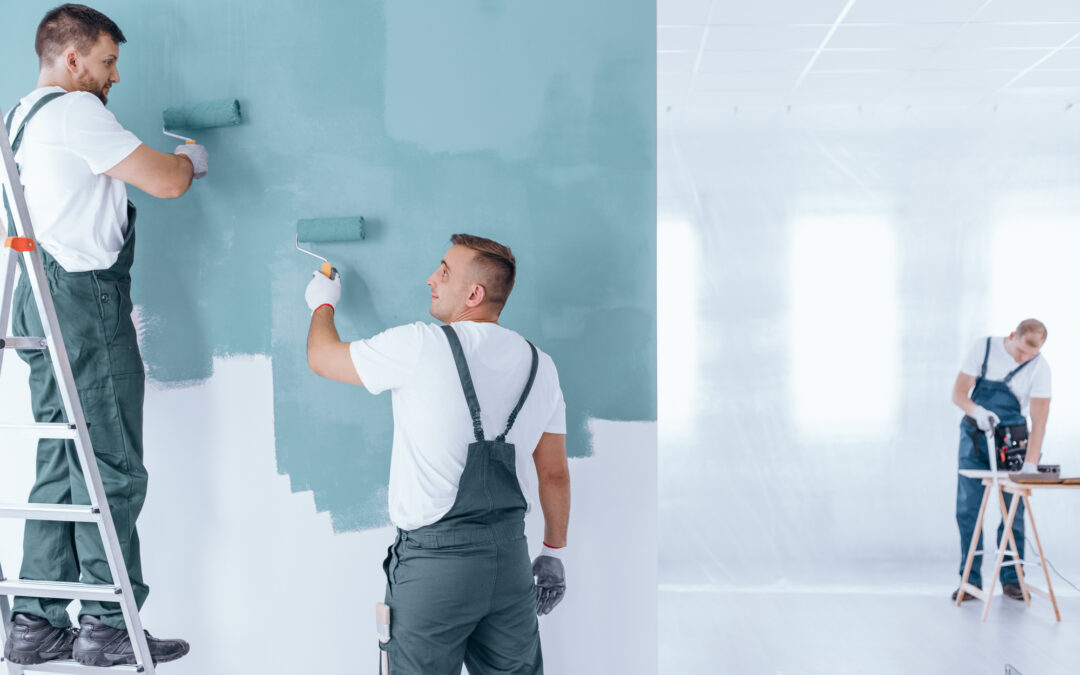
Why Wellington painting jobs fail more often than they should

Wellington homes are beautiful, but they are not “easy mode” for painting. A paint job that holds up in a calmer climate can fail early here if the team doesn’t plan properly. A few local realities matter a lot: Moisture and humidity are the big ones. If surfaces are even slightly damp, paint adhesion drops. Then you get bubbling, peeling, or that powdery chalking sooner than expected. Wind is another factor. It can dry paint too quickly on exteriors, which affects how it levels and bonds. And if your place is coastal, salt and sun add more wear than many homeowners realise. The best painting teams don’t just “paint well”. They manage conditions, timing, product choice, and prep like a system. This is where professionals like RNF Construction come into play; they understand these dynamics and deliver quality results despite the challenges presented by the local environment.
Step 1: Start with the outcome, not the quote
Most people start by collecting quotes. That’s fair, but it often leads to comparing the wrong things. In 2026, you want to compare scope and process first, and price second. Before you talk to anyone, get clear on what “done” looks like for you: Are you repainting to protect the home for the next 10 to 15 years, or are you painting for selling? Do you want a modern low-sheen interior finish, or a more durable washable option for kids and rentals? Are you okay with some timber imperfections showing, or do you want a near-new look? When you know the outcome, it becomes much easier to spot who is guessing and who is planning.
Step 2: The biggest tell is their prep plan
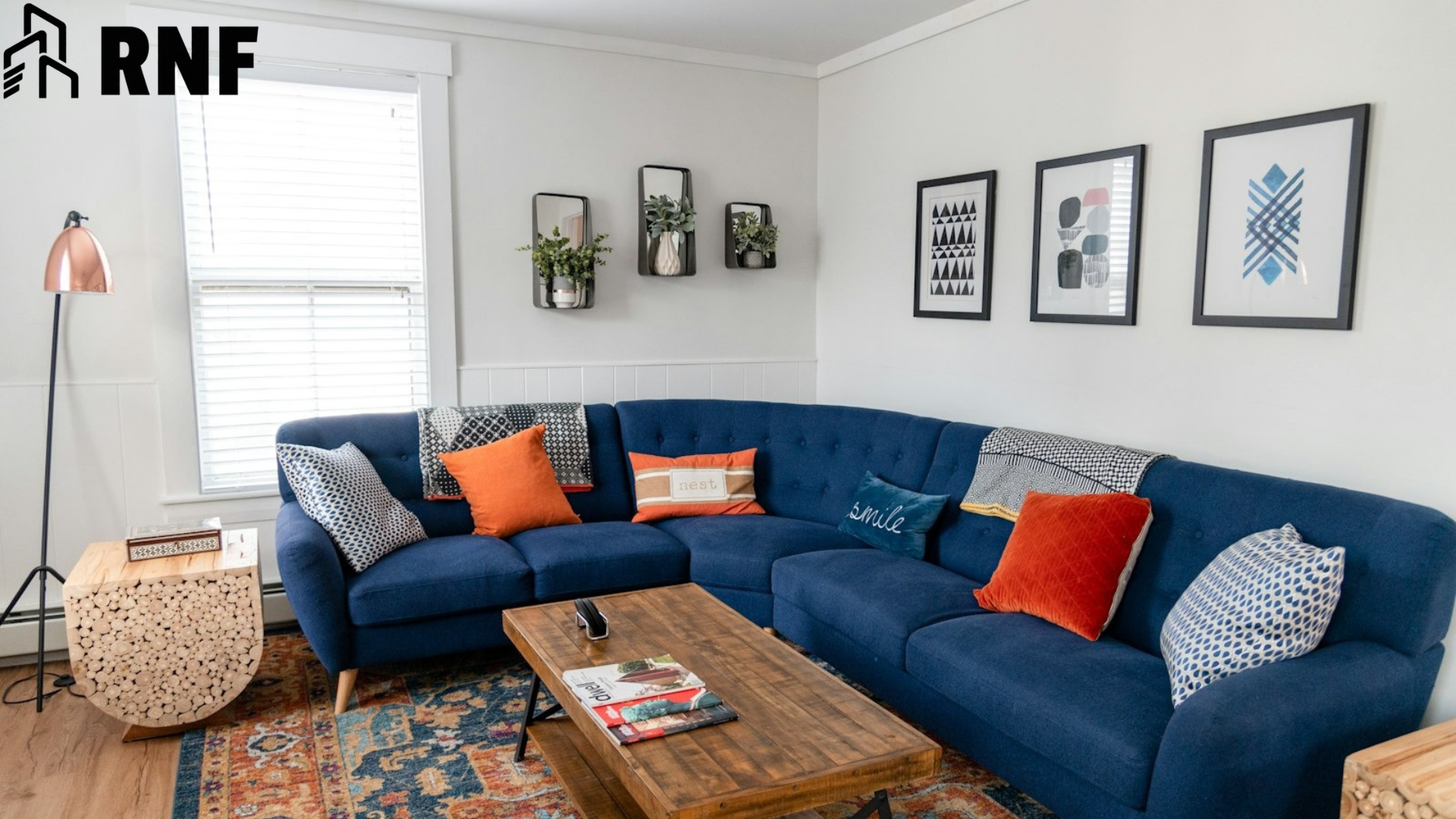 Here’s the truth most homeowners learn too late: prep is the job. Painting is the final layer, but prep decides whether it lasts. A strong team should be able to explain, in plain language, what they will do before they open a tin. On interiors that might include protecting floors, removing or masking hardware properly, filling and sanding, sealing stained areas, and spot-priming repairs. On exteriors, you want to hear about washing, mould treatment, scraping, feather sanding, priming bare timber, and addressing failed old coatings. If a quote is missing prep detail, assume it’s missing prep time.
Step 3: Ask who will manage the job day to day
A lot of frustration comes from unclear responsibility. One person quotes, another shows up, and nobody seems fully accountable. In 2026, homeowners expect cleaner project management, and the best teams already work this way. You’ll get a smoother experience when the company assigns a dedicated project manager who oversees the job from start to finish. That person should be your main contact, coordinate the schedule, handle product decisions, and do quality checks before calling it complete. If you want a simple question that reveals a lot, ask: “Who is responsible for quality control on site?”
Step 4: Look for proven systems, not promises
“High-quality finish” is a marketing phrase. A real painter can explain their process in a consistent way. For example, a professional team should talk about structured steps such as preparation, repair, priming, finishing coats, drying times, and how they handle tricky areas like windows, trims, doors, bathrooms, and high-touch walls. Companies with proven systems and professional processes tend to deliver more consistent results because they are not relying on one superstar painter having a good week. The method carries the quality.
Step 5: Product choice matters more in 2026 (because homes are changing)
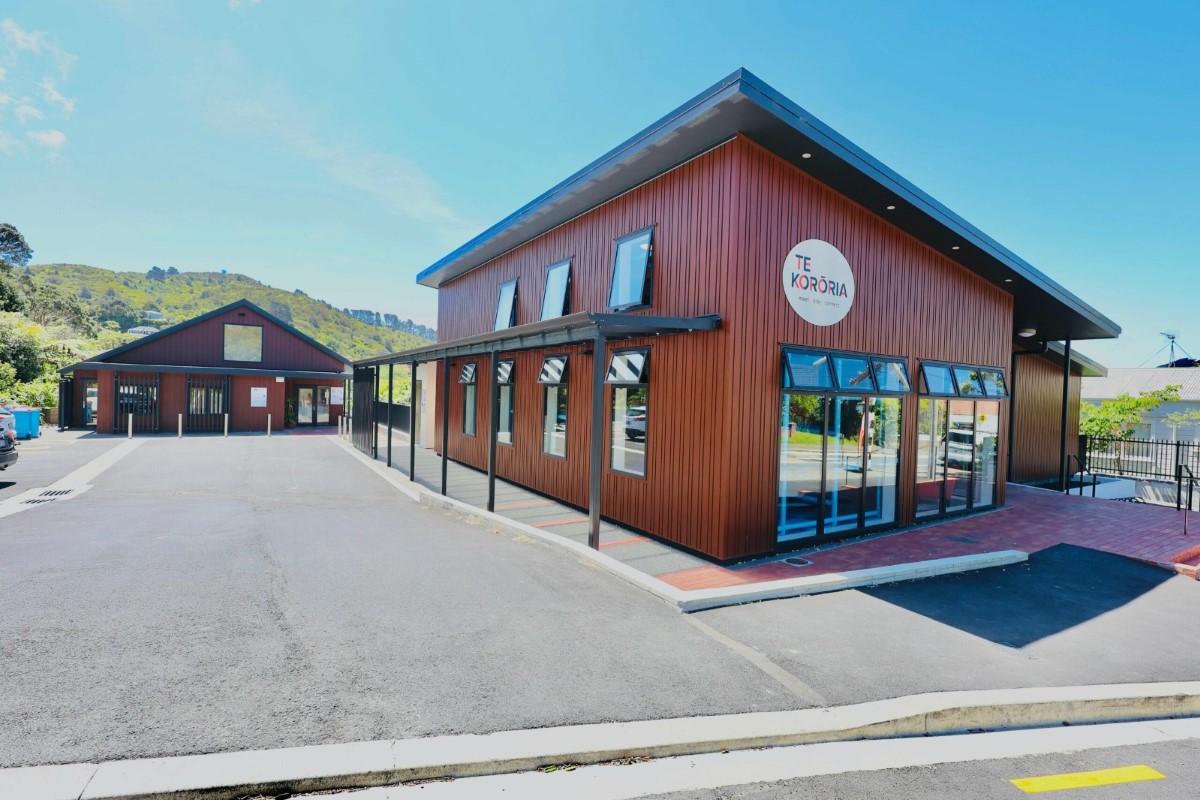 More Wellington homeowners are upgrading insulation, improving ventilation, and reducing drafts. That’s great, but it changes how paint behaves indoors. Bathrooms and kitchens still need moisture management, rentals need durability, and modern colour palettes sometimes require extra coats for solid coverage. A good team should guide you on:
- Interior sheen levels for different rooms (flat, low-sheen, semi-gloss)
- Mould-resistant systems for wet areas
- Stain-blocking primers when needed
- Exterior systems that suit your cladding and sun exposure
If your painter only asks “what colour?” and nothing else, that’s a red flag. Colour is the fun part, but the system underneath is what protects your home.
Step 6: Check workmanship signals you can actually verify
Reviews matter, but don’t stop there. Ask for recent local examples and pay attention to the details that show pride in workmanship. Here’s what you can look for on completed jobs: Cut lines around ceilings and trims should be crisp, not wavy. Doors and skirtings should feel smooth, not gritty. Filled holes should disappear under side light. And on exteriors, you shouldn’t see scraped edges telegraphing through the top coat. Also ask whether the team includes plastering or gib stopping capability if your walls need repairs. Many “painting delays” are really repair delays, caused by having to coordinate multiple trades mid-job.
Step 7: Final walkthroughs and touch-ups are where the pros separate themselves
A paint job shouldn’t end when the last coat dries. It should end after a proper quality check. A strong team will do a detailed final walkthrough with you, room by room, under good lighting. They’ll note any holidays (missed spots), minor drips, rough patches, or edges that need refining. Even better, look for a satisfaction and touch-up guarantee, meaning they will return within an agreed period to fix small items that reveal themselves once furniture is back and lighting changes. That’s not “extra”. That’s what a professional finish looks like.
Step 8: Get a colour consult that’s practical, not just aesthetic
Wellington light is unique. A colour that looks warm and calm in a store can turn cold at home, especially in south-facing rooms. Exterior colours can also shift fast in harsh sun or coastal glare. A quality painting company should offer a free colour and project consultation or at least be willing to advise on what works for your home’s light, layout, and materials. This is especially important if you’re repainting to sell and want broad appeal without the place feeling bland.
Step 9: Understand the quote and make it “apples to apples”
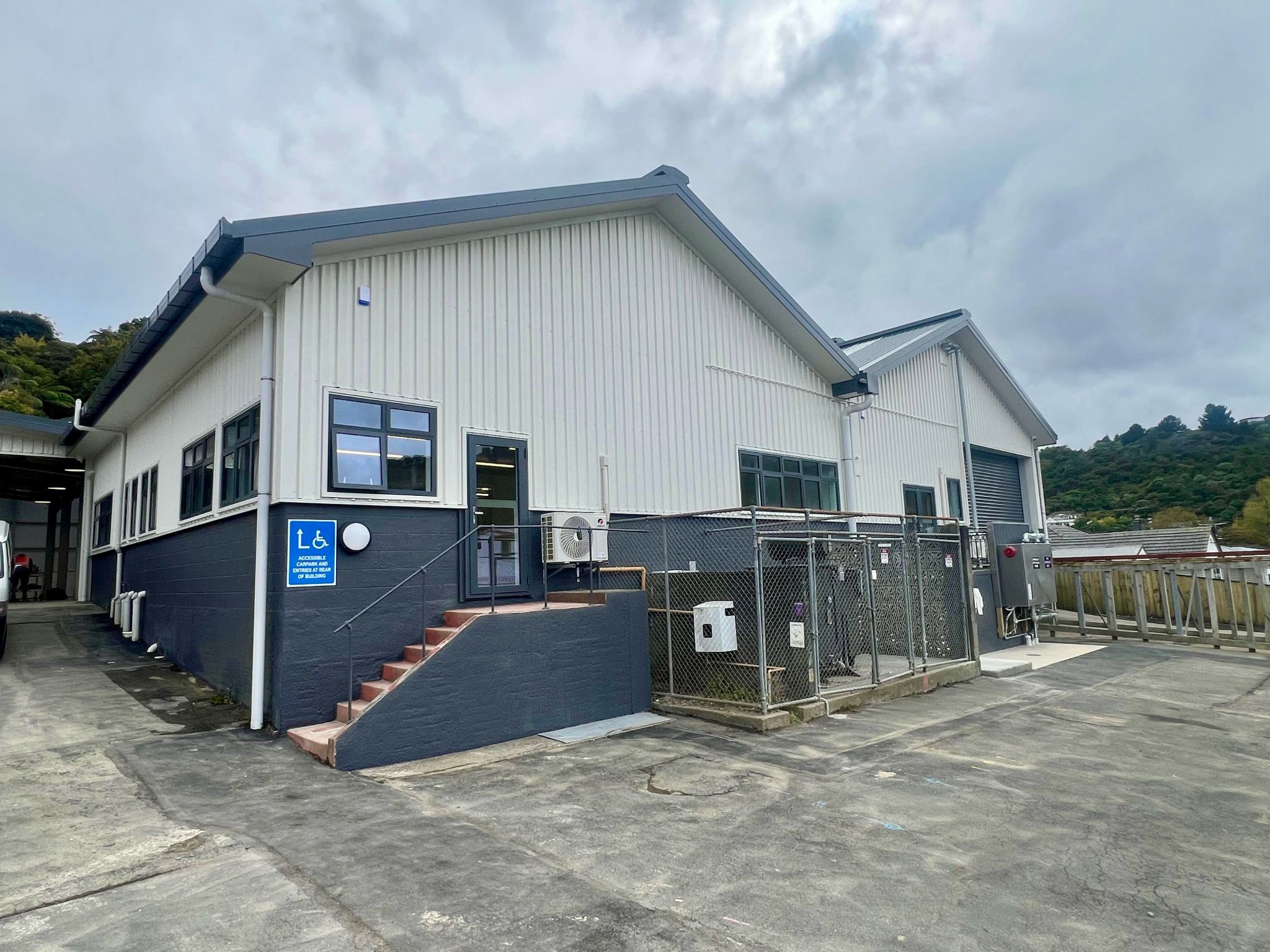 A quote should be detailed enough that you can see what you’re paying for. If it’s one line, you’re taking a gamble. At minimum, make sure the quote clearly states:
- What areas are included and excluded
- What prep is included
- The number of coats
- The paint system or product range
- Protection measures
- Repair allowances
- Estimated timeline
Also ask what happens if they uncover rotten timber, water damage, or failing old coatings. Those are common in Wellington, and the best companies have a clear variation process that doesn’t feel like a surprise bill. For more insights on understanding painting quotes, check out this comprehensive guide.
Step 10: Timing your Wellington paint job in 2026
People often ask, “What’s the best time to paint?” The honest answer is: it depends on what you’re painting. Exterior painting generally needs stable weather and enough dry windows. Wellington can be unpredictable, so good companies plan around forecast patterns, humidity, and wind exposure. Interior painting can happen year-round, but drying times and ventilation still matter, especially in winter. If a company is willing to rush exterior work through marginal conditions, you may get a fast finish, but you probably won’t get a long-lasting one. Interestingly, fall is often considered the absolute best time of year to paint the exterior of homes, due to its stable weather conditions.
A quick checklist to choose the best painters in Wellington
If you want a simple way to shortlist without overthinking it, here’s what tends to predict a great result:
- Clear prep plan (not vague, and included in the quote)
- Dedicated project manager or obvious on-site accountability
- Proven painting systems with consistent steps and quality checks
- Skilled tradespeople (and the ability to handle plastering or repairs)
- Final walkthrough + touch-up period to finish properly
- Practical colour advice based on Wellington light and conditions
If a team ticks these boxes, you’re far more likely to end up with a paint job that still looks great years from now.
Why RNF Construction is a strong option for Wellington homeowners
If you want a painting team that runs the job like a proper project, RNF Construction is worth talking to. They offer residential and commercial painting across Wellington (and Auckland), and they lean heavily into the things that actually make a paint job go smoothly: a dedicated project manager, proven processes, skilled tradespeople, a detailed final walkthrough, plus a satisfaction and touch-up guarantee. They also offer free colour and project consultations, which is genuinely helpful in Wellington where light and weather can make colour choices tricky. If you’re planning an interior repaint, exterior refresh, roof painting, or you want painting done as part of maintenance or selling prep, you can call 04 213 6186 or request a quote through RNF Construction’s site. A good first step is simply asking them to walk through the scope and recommend the best system for your home, before you lock anything in.
FAQs
How much does it cost to paint a house in NZ?
Costs vary based on size, condition, access, prep, and paint system. Expect a wide range between basic refreshes and full prep-heavy repaints. Always compare detailed scopes, not just the bottom line.
What is the best time to paint a house in Wellington?
For exteriors, aim for stable, drier weather with low humidity and manageable wind. Interiors can be painted year-round, but winter needs good ventilation and realistic drying times between coats.
What do I need to know before painting my house?
Before embarking on your painting journey, it’s essential to clearly define your goals, expected finish level, and identify any problem areas like peeling, moisture, or cracking. It’s also advisable to ask for a prep plan, product system recommendations, timeline estimates, and who will manage quality control and communication throughout the process.
How long will the house paint last?
The longevity of your paint job largely depends on several factors including prep work, substrate condition, paint system used, and exposure to Wellington’s elements. Interiors can last many years with high-quality products. However, exteriors tend to wear faster particularly near coastlines or under harsh sun exposure. This is especially true if the prep work was rushed. To mitigate some of these issues during winter months, consider exploring strategies for winter paint maintenance, which can help protect your home’s exterior in cold weather.
Do you offer emergency services for urgent repairs?
While many painting teams can handle urgent maintenance requests, availability often depends on existing bookings. In cases of active leaks, mould growth, or significant damage, it’s advisable to first ask about quick stabilisation options. Once surfaces are dry and stable, you can then schedule repainting.
What sets RNF Construction apart from other painting companies?
RNF Construction stands out from other painting companies due to its dedicated project management approach, proven processes, skilled tradespeople, and a comprehensive final walkthrough. They also offer a touch-up period post-project completion and provide free colour consultation services. These aspects significantly contribute to ensuring a clean and satisfactory finish.